Making Fertilizer Emits Comparable to Germany or Brazil
A 13 November COP31 event will discuss ways to cut emissions while keeping fertilizer affordable.
 bcinsight.crugroup.com · Fertilizers on the agenda at COP31 in Turkey - BC Insight
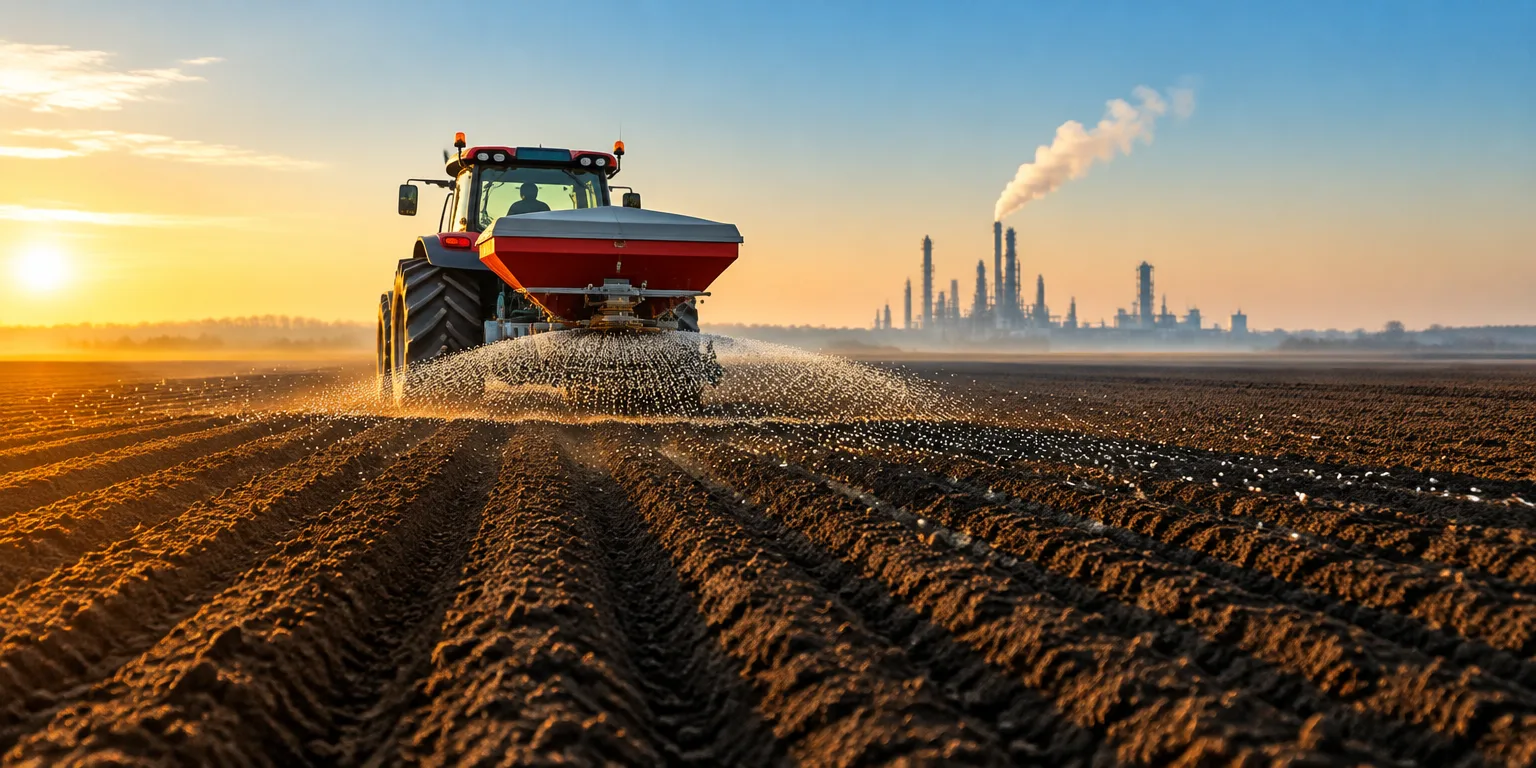
Making conventional ammonia fertilizer produces about 510 million tonnes of greenhouse gases a year, a footprint comparable to the total annual emissions of Brazil or Germany.
The estimate comes from the Hydrogen Council, an industry group that promotes hydrogen as a fuel.
Fertilizer is on the agenda at COP31, the United Nations climate conference taking place in Antalya, Turkey, from 9 to 20 November 2026.
On 13 November, the International Fertilizer Association, the fertilizer industry group, will host "Delivering the Green Transition for Food Security: From Climate Ambition to Farm-Level Action." It is focused on policies and investment that lower emissions from making and using fertilizer while keeping fertilizer affordable and accessible.
An International Fertilizer Association spokesperson told BC Insight, "At COP31, IFA's priority is to connect climate ambition with the practical realities of producing fertilizers and growing food. That means supporting investment in lower-emission production and helping farmers improve nutrient-use efficiency."
The Hydrogen Council said cutting that pollution while protecting nutrient supplies, food security, and affordability "requires a comprehensive, industry-wide effort underpinned by strong public-private collaboration."
Questions people ask
Why does making ammonia fertilizer produce so many emissions?
Most ammonia is made by combining nitrogen from the air with hydrogen from natural gas, using very high heat and pressure. The process burns fossil fuels for energy and releases carbon dioxide as a chemical byproduct, so emissions add up across the large volumes used in fertilizer.
What is low-emission ammonia fertilizer?
It generally means making the same ammonia with much less carbon, often by using clean hydrogen made with renewable electricity or by capturing and storing the carbon dioxide. The fertilizer works the same way on farms, but its production emits far less. Scaling it up requires new plants, clean power, and investment.
Will cutting fertilizer emissions make food more expensive?
It could, at least at first, because new production methods and equipment cost money. That is why industry groups emphasize keeping nutrients affordable and accessible, especially for developing countries. Policy support and larger scale production are meant to bring costs down over time.