Get Social Apps Off Your Phone and Schedule Your Worrying
A five-year phone habit plus two calendar blocks can replace passive scrolling with deliberate optimism and practical caution.
 The Tim Ferriss Show · #889: Q&A with Tim — How to Get Unstuck, Resilience in Hard Times, Tools for Brain Health, Finding Inner Peace, Optimism as a Learnable Skill, and More
Tim Ferriss, the author and podcaster known for The 4-Hour Workweek, was answering listener questions when he described a phone habit he has kept for about five years. He keeps social media apps off his phone, except for YouTube, which he uses daily for learning.
The payoff, in his telling, feels like years of therapy, because he no longer has to swim upstream against rage and pessimism.
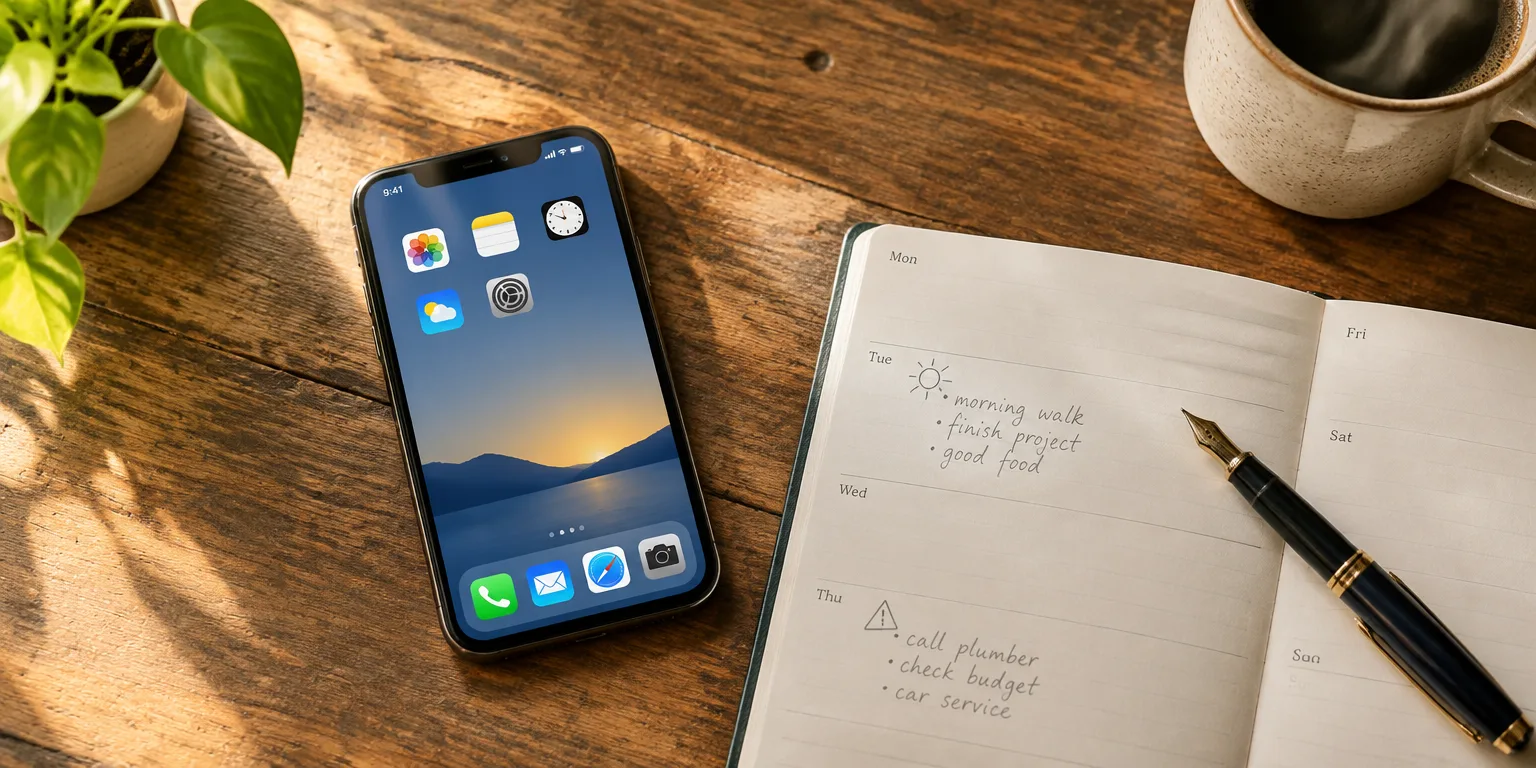
His advice is to test the idea with a one or two month fast. Take the apps off the phone and notice what happens when the passive feed disappears.
Then replace scrolling with two separate appointments on the calendar. The first is upside time, an hour or two spent deliberately looking for optimistic cases and asking about possibilities and opportunities, in artificial intelligence or another field, using tools like ChatGPT, YouTube, or other sources.
The second is downside time, a separate block for studying risks, weaknesses, and threats. The rule is to look for what can be done, not just descriptions of the problem, and he advises using an AI chatbot as a guide for a YouTube search.
The separation matters because social platforms sell attention to advertisers, and their business goal is to keep people watching as long as possible. People also tend to linger longer on what upsets them than on what encourages them, so an unplanned visit can quickly become a stream of fear, uncertainty, and doubt.
His suggested first step is a one or two month cleanse of social media apps from the phone, plus one scheduled hour of upside time.
Questions people ask
Will I miss important news if I delete social apps from my phone?
Beyond what Ferriss discusses here, a common approach is to check news at a set time each day rather than through a phone feed. Many people pick one daily newsletter or homepage and read it on a computer, keeping phone browsing intentional.
What about YouTube? How does Ferriss use it?
Ferriss keeps YouTube for daily learning. For upside and downside time, he advises starting with a specific question and using an AI chatbot as a front end to guide a YouTube search. He warns against opening the home page feed, which can pull viewers into curated fear and doubt.
What if my work requires social media?
If your job needs social tools, keep them contained. Leave them off your personal phone and check them only on a computer at set times, or use a second profile with notifications off. The point is to make use deliberate rather than constant.