Good Design Asks Why You Would Come Back
A product thinker says streaks, scheduled surprises, and personal picks beat adding another feature.
 Design for Change · 322| UX Behind Habits forming Products_Why you keep coming back again ?
Jagadeesh P, a product thinker, points to three very different apps to make one point about design.
Good design does not stop at useful and usable, he says: “Don’t only ask, what or how do we make this useful or usable? Ask, why would someone naturally come back to your product again?”
Design is not only about the moment of use, but about what comes next. Usefulness brings someone in, while anticipation brings that person back.
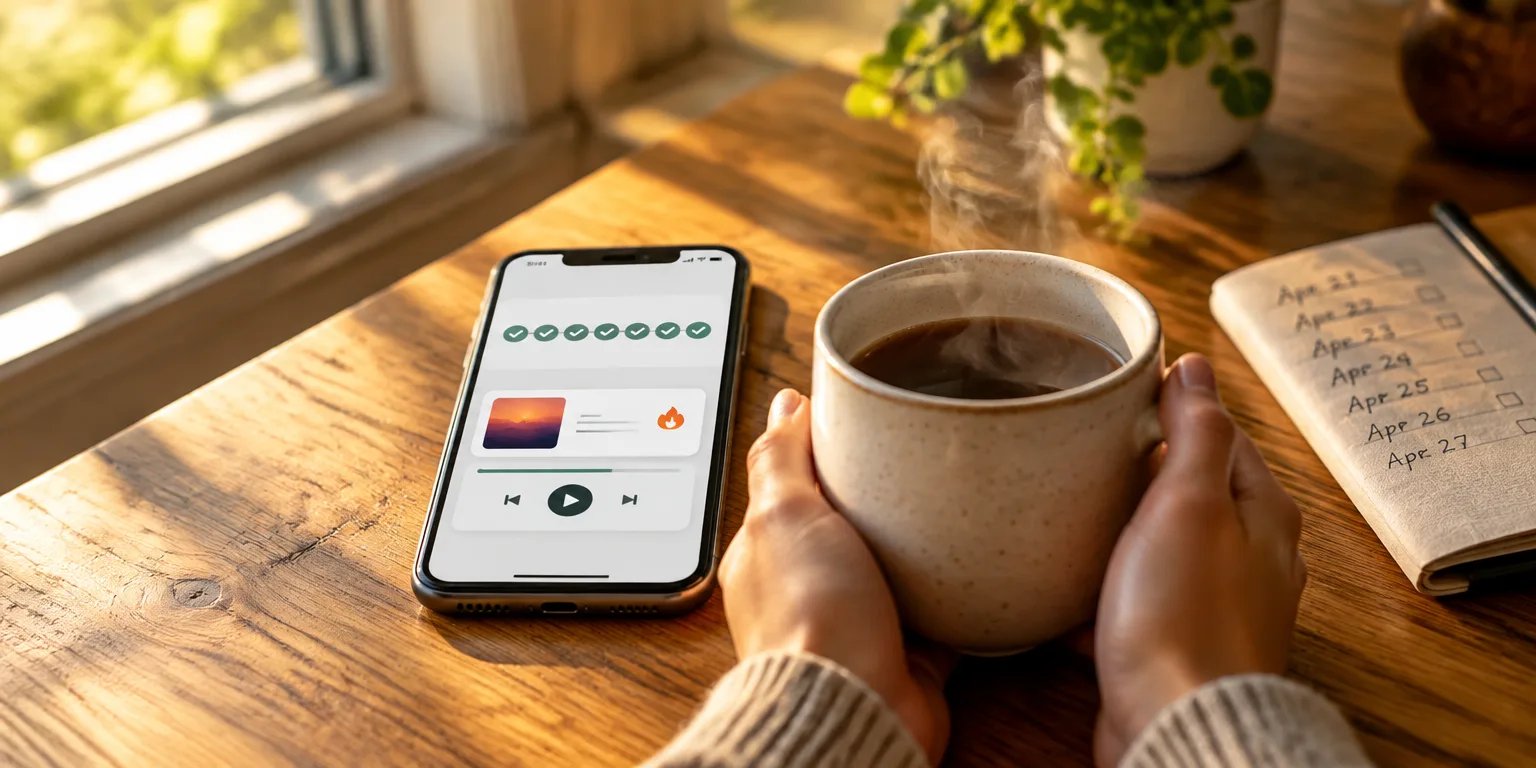
His first example is Duolingo, the language-learning app. It turns consecutive days of tiny lessons into a visible streak, so a learner starts protecting a 47-day run rather than thinking about grammar.
Duolingo studied the effect internally, finding learners who reached a seven-day streak finished about 2.5 times sooner and were more likely to return the next day, he says.
His second is Spotify, the music app. Its Discover Weekly refreshes each Monday and its Release Radar arrives each Friday, creating a small weekly ritual around what is new.
The pull is not another button or feature. Opening the app feels like seeing what is waiting for you.
His third is YouTube, the video app. It learns from clicks, watch time, likes, and dislikes, and uses those signals to suggest what a viewer might want before that viewer has decided.
He sums up the three mechanics as a streak users do not want to lose, new music waiting, and recommendations that feel personally chosen. As he puts it, “The best products don’t always say come back. They give you a reason to come back.”
Questions people ask
Why do streaks motivate people so strongly?
Yes, for many people. A visible count turns an abstract goal like learn Spanish into a concrete record that feels costly to lose. Designers often add reminders, repairs, and small rewards to keep the run alive, though long streaks can also create stress or guilt.
How do Spotify playlists like Discover Weekly get picked?
They are personalized playlists built largely from listening history and the habits of people with similar tastes. Discover Weekly leans toward unfamiliar songs a listener might like, while Release Radar leans toward new releases from artists and styles the listener already follows.
What does YouTube pay most attention to when it recommends videos?
Watch time is usually the strongest signal because it shows what someone actually stayed to watch, not just clicked. Likes, dislikes, skips, searches, and subscriptions add context about preference. Together they shape which videos the system ranks highest for that viewer.