In Booming Pinedale, Workers Can No Longer Afford to Live Where They Work
The average home costs about $450,000, and even tiny new townhomes list for nearly twice what one house-sitter can pay.
 Marketplace · Nvidia was AI's linchpin. Now what?
A few blocks off Main Street in Pinedale, Wyoming, Rachel Daniels has just settled into a ranch-style three-bedroom house with a small sitting room and a gas fireplace.
She brought four pieces of furniture. Instead of cash rent, she covers the utility bills and clears snow in winter.
Daniels is caretaking a property owned by a woman with several houses nearby. The house is listed for just under $500,000, and looking after homes like this lets Daniels remain in a town where she can hike in the mountains and swim in glacial lakes.
To cover her bills, Daniels has stitched together several jobs. She works at an auto parts store, hosts trivia, gardens in summer near Jackson, bartends, and spends warm months sleeping in a camper to save a little money.
She says she can afford a house up to $175,000. Seven years ago, houses at that price existed in Pinedale, but the average home now costs about $450,000.
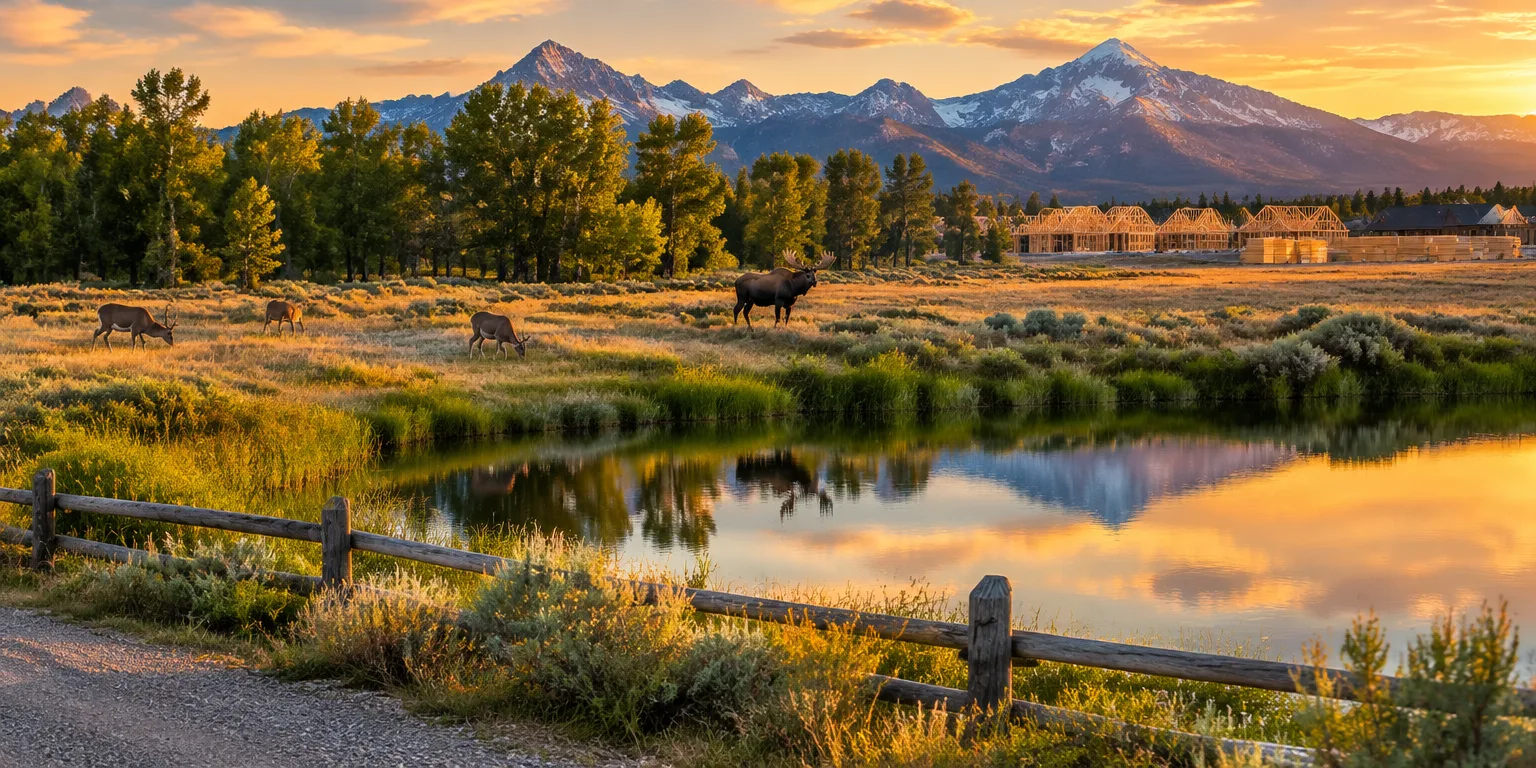
That gap is preoccupying Matt Murdock, the mayor of Pinedale. Murdock, who wears cowboy boots, describes a place where people do not lock their doors and moose and deer walk through town.
For remote workers arriving from costly coastal cities, a $500,000 price tag can look like a bargain. That is not who Murdock worries about.
He worries about the people who keep the town running. In a survey he conducted, 46% of the public service workers he asked said they were considering leaving because they could not afford to live there. Those workers include firefighters, emergency medical workers, and sheriff's deputies.
His hope is that private developers will add inventory, and that more inventory will bring prices down. Proposals on both ends of town could eventually mean hundreds of houses, including single-family homes, townhomes, and duplexes.
That prospect unsettles Greg and Martha Potasnik, who have lived in Pinedale for years. Their home sits at the end of an unpaved lane on a spacious parcel with a pond out front, across from a roughly 75-acre hayfield where moose, fox, and deer gather.
A commercial developer has bought that field. A draft proposal calls for about 200 units, plus a business strip, a grocery store, and paved parking, with a duplex planned near the Potasniks' property line.
The Potasniks are not entirely opposed to building, but they want it done thoughtfully. They point to the town's bright yellow Dollar General as development that could have fit in better, with trees around the parking lot and more care for appearances.
Daniels is skeptical for a different reason. New 640-square-foot townhomes rising on Pinedale's far side are listed at just above $300,000, nearly twice what she can afford.
Questions people ask
Why did housing in Pinedale get so expensive?
Pinedale is about 75 miles from Jackson, a resort town known for expensive homes. Some people who service the Jackson resorts and industries live in Pinedale. The town is also one of the fastest growing areas in the state, with pandemic newcomers drawn by small-town life, vast public lands, and limited government. The reporting does not pin the price rise to one single cause, but describes that growth alongside the rise in the average home to about $450,000.
What is the town's main plan for lowering prices?
The mayor argues that building hundreds of additional homes will increase supply and should help bring prices down. The proposals include single-family houses, duplexes, and townhomes on both ends of town.
Why do some longtime residents oppose the new developments?
They worry about scale, appearance, and wildlife habitat. One proposed project would replace a 75-acre hayfield used by moose, deer, and fox with about 200 units, stores, and paved parking.