Tariffs Can Keep Raising Prices for Years Because American Makers Can Too
Once imported metal costs more, American suppliers face less competition and gain room to charge more.
 Marketplace · Nvidia was AI's linchpin. Now what?
A tariff on metal does not stop at imported metal. It can give American suppliers cover to charge more, too, and to keep charging more for years.
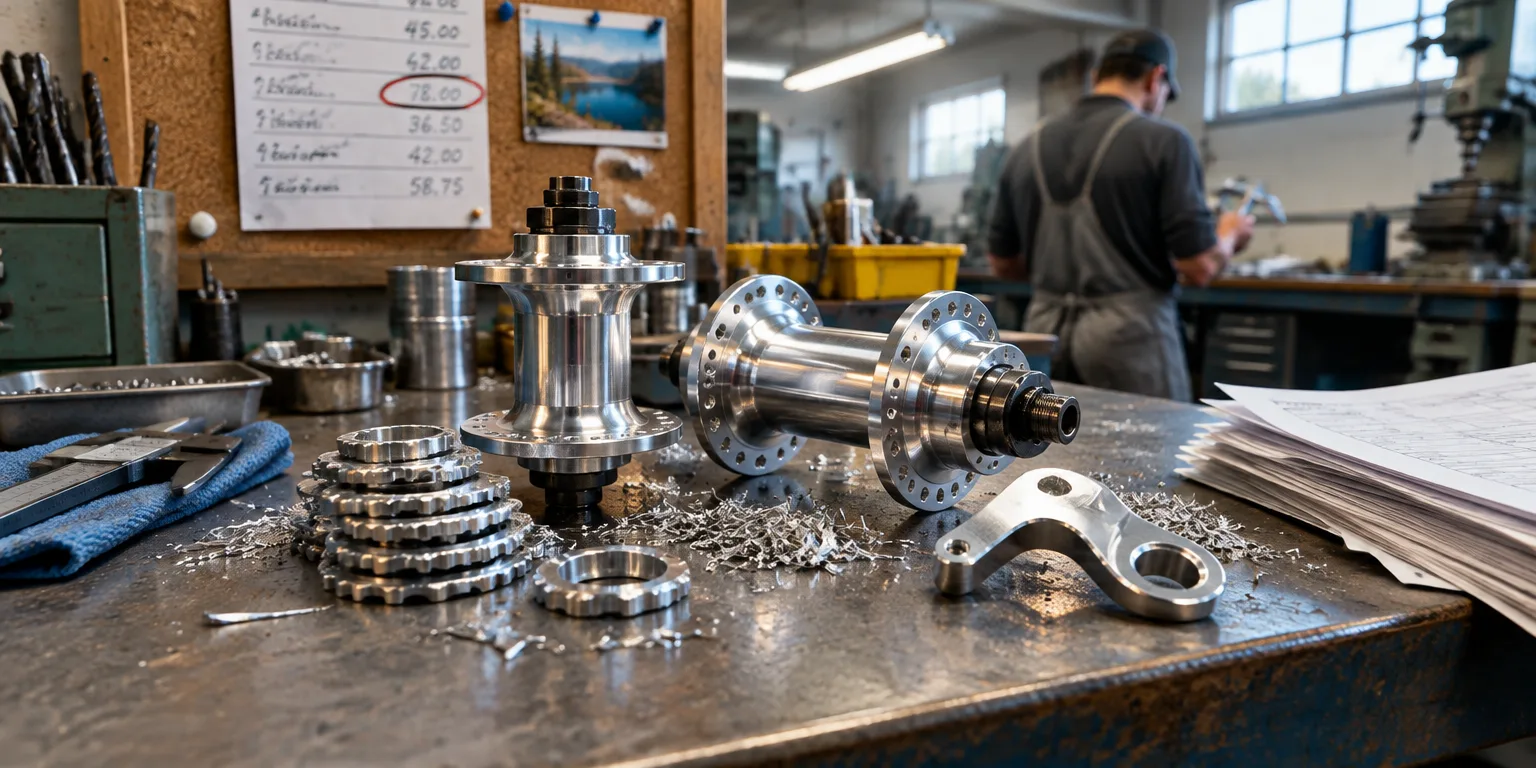
Consider what happened after steel and aluminum tariffs were announced about eighteen months earlier. Brendan Moore, co-owner of Wolf Tooth Components, a Minnesota company that makes bicycle parts from aluminum, watched his costs shift.
One supplier raised prices right away. Another warned that increases would arrive once it actually started paying the import tax, then passed costs along slowly over many months.
That slow drip is now quickening. Moore says the policy once felt unpredictable, but now the tariffs in place look lasting enough to plan around, so more increases are coming through.
The same pattern is showing up beyond bike parts. Kathy Bostjanczyk, Nationwide's chief economist, points to autos, electronics, and other consumer goods, from home essentials and personal care items to jewelry, watches, and clothing.
The first shock may fade next year, she says. Yet Jason Miller, an economist with Michigan State University, argues the protection itself could create a second push.
He says tariffs shield domestic manufacturers from foreign competition. With fewer low priced rivals, those producers are in a stronger bargaining position to pass on costs, or simply to raise prices because they can.
In Miller's view, shoppers could effectively pay twice, first through the import tax and then through the breathing room it gives local sellers. That is why a tariff could keep nudging inflation higher long after the announcement fades from the news.
Questions people ask
Do American companies have to pay the tariff too?
No. The tax is paid by importers when foreign goods enter the country, not by domestic producers. Domestic firms can still raise prices, though, because their foreign rivals just got more expensive.
Why did some of these price increases take more than a year to show up?
Companies often work through old inventory and honor existing contracts before raising prices. Many managers also waited to see whether the policy would last. Once they concluded the tariffs were durable, as Moore did, they felt safer rewriting price lists and signing costlier supply deals.
Are shoppers only feeling this in steel and aluminum?
No. Metals feed into many finished products, so the cost can travel through supply chains. Economists are also seeing pressure in autos, electronics, home essentials, personal care goods, jewelry, watches, and clothing.