Investor Says Firms Slow to Adopt AI Risk Being Bought Up
Nicolai Tangen says buyers are already moving in to automate work inside traditional businesses.

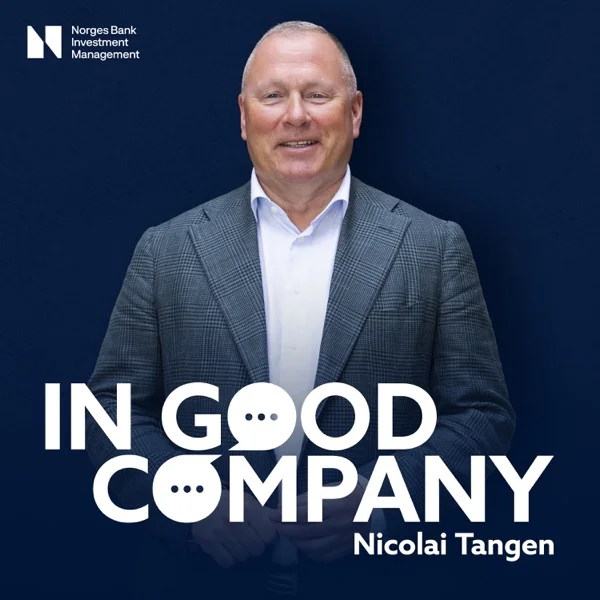 In Good Company with Nicolai Tangen · Friday Wrap-Up: Milken’s Method and a Tech Day in New York
Nicolai Tangen, who runs Norway's sovereign wealth fund, was describing what he saw to podcast host Marthe Skaar after sitting in on meetings with top managers from a European company and a U.S. company.
He said he was surprised by how little effort they were putting into adopting and integrating AI. There was too little focus from the top on getting it done, he said.
He argued that a wide gap is opening between businesses operating for the AI era and older industries that still work the old way.
Skaar noted that investor Mike Milken makes a similar point about old and new businesses, since a new business is usually seen as the riskier one. Tangen agreed, and argued that much of the current risk in society and markets comes from old businesses that could be replaced or become obsolete.
As evidence that buyers are already moving in, he said private equity firms and other large investors are buying traditional companies with a plan to have technology do work now done by people.
He pointed to SoftBank moving into a guarding company, where he expects AI systems to take over tasks now handled by guards.
His warning, in his own words: “If you don’t implement AI, somebody else is going to take your company over and do it for you.”
Questions people ask
What is a private equity firm?
Private equity firms raise money from pensions, endowments, and wealthy individuals to buy whole companies, improve them, and later sell them. They often look for businesses where costs can be cut or operations modernized to increase the sale price.
How could AI replace security guards?
Cameras, sensors, and software can already monitor buildings, check badges, and flag unusual activity, reducing the need for people on every post. A human is still needed for confrontations and emergencies, but far fewer humans can cover more sites. That is why guarding looks ripe for automation.
Are old companies really riskier than startups now?
That was Tangen's argument in this conversation, not a settled rule. Startups still fail at high rates, while many established firms have customers, cash, and brands that help them adapt. His point was that failure to modernize can itself create risk of obsolescence.