Ask Each Morning Why You Still Own It
Investor Nicolai Tangen says examining bias is among the hardest jobs in markets.

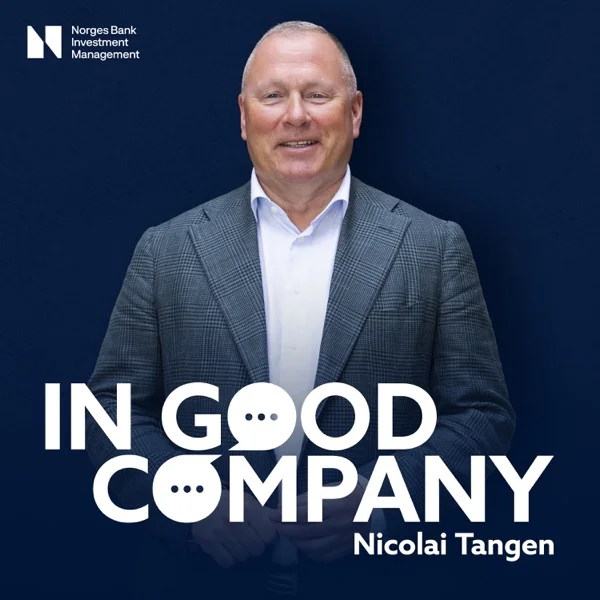 In Good Company with Nicolai Tangen · Friday Wrap-Up: Milken’s Method and a Tech Day in New York
Nicolai Tangen, an investor, says one of the most difficult parts of investing is dealing with his own biases.
People lock onto views quickly, he says, whether in politics or in markets. Opinions harden until they function almost like religion.
Investors are no better at shaking free, in his view. Asked whether investors question their assumptions enough, he answers bluntly: absolutely not.
His answer is a short morning routine. Start every morning by asking about each position: why do we have this, and would I have bought it from scratch today?
The wording matters. The first question demands a current reason for owning it, not the story that justified the original purchase. The second question treats the money as fresh cash and asks whether this is still the best use for it.
Tangen ties those questions to the behavioral biases investors must work through, which he calls among the hardest things investors do.
Try it tomorrow with a single holding before the day takes over. If you cannot say why you would buy it today, you know which position needs a closer look.
Questions people ask
Why is it so hard to sell something you already own?
That reluctance is common, and psychologists call versions of it loss aversion, the endowment effect, and the sunk cost fallacy. People feel losses more sharply than equal gains, overvalue what they already hold, and let past effort justify future holding.
What should I do if my answer is no, I would not buy it today?
Use it as a prompt for research, not as an automatic sell order. Check whether the business, price, and alternatives have changed, and whether a new buyer with cash would still choose it over other options.
Does this have to be every single morning?
Tangen frames it as daily work. In my view as the writer of this answer, a personal investor could try the same questions once a week. The point is the fresh-eyes check, not the exact calendar.