In One Oven Test, Oil Mattered Most Under Vegetables
The vegetables' undersides browned much more evenly with oil, the chicken skin looked a little nicer, and the beef looked the same.
 Adam Ragusea · Why we cook food in oil
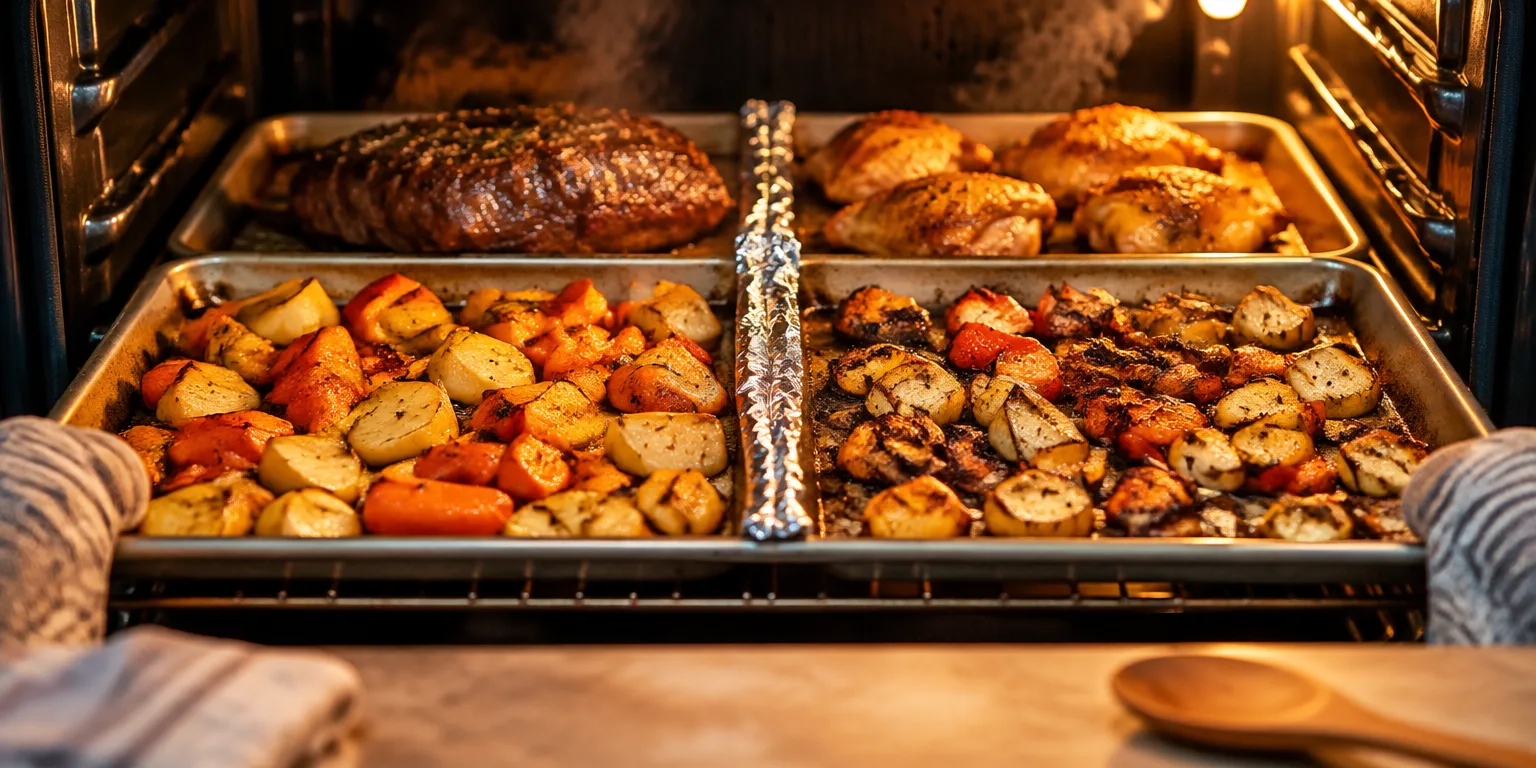
Cook Adam Ragusea lined up two sheet pans for the oven. On one he spread mixed vegetables, and on the other he arranged a well-marbled beef roast and chicken thighs.
He poured oil on only one side of each pan and tossed that half to coat it. Then he curled a little snake of foil down the middle to keep the two halves apart.
The test was simple: does food really need a coat of oil before roasting? After 30 minutes in a 400-degree oven, the answer was less clear than he expected.
The vegetables came out looking close. Both the oiled and dry sides had about the same color, at least on top.
The difference was underneath. A parsnip from the oiled side had turned a beautiful, even golden brown where it touched the hot metal. A parsnip from the dry side was patchy in that same spot, a mix of burned and pale, and looked drier and less appetizing.
The meat was even closer. The oiled beef looked exactly the same as the beef roasted dry. The chicken showed only a small gap, with the oiled skin looking a little nicer.
His guess was that the meat supplied its own cooking fat. The open surface of the beef let melting fat settle over the top and do the work of added oil, while the chicken skin acted as a barrier that kept rendered fat from pushing up.
In this one test, the oiled vegetables browned more evenly underneath, the oiled chicken skin looked a little nicer, and the fatty beef showed no difference.
Questions people ask
Should I still oil vegetables before roasting?
In this test the tops looked similar, but the oiled undersides browned more evenly where they touched the hot pan. The dry side came out patchy in that spot, with a mix of burned and pale color.
Why did the beef show no difference while the chicken showed a little?
His guess is structure. The beef had an open, exposed surface where melting fat could pool and coat the meat as it roasted. The chicken skin formed a wrapper that kept that rendered fat below, so the skin on top got less of that self-basting effect.
Can I roast anything without oil?
This oven test alone cannot say that. In a separate pan test, a lean sirloin stuck to the pan without oil, and in a non-stick pan without oil it cooked slowly and developed gray patches. That test showed that oil matters for browning and sticking when meat has too little fat to supply its own cooking medium.