What An Animal Eats Flavors Its Meat And Cheese
A Sardinian pig roast taught Mark Hyman that good feed makes better tasting food.
 The a16z Show · Mark Hyman’s Guide to Living Longer and Staying Strong
Mark Hyman, the author writing a book about longevity, was confessing a weakness for ice cream. He said he would eat a pint every night if he let his cravings decide, but he holds out for months at a time.
For Hyman, restraint is easier because he believes flavor follows quality. Good food, simply prepared, tastes better on its own.
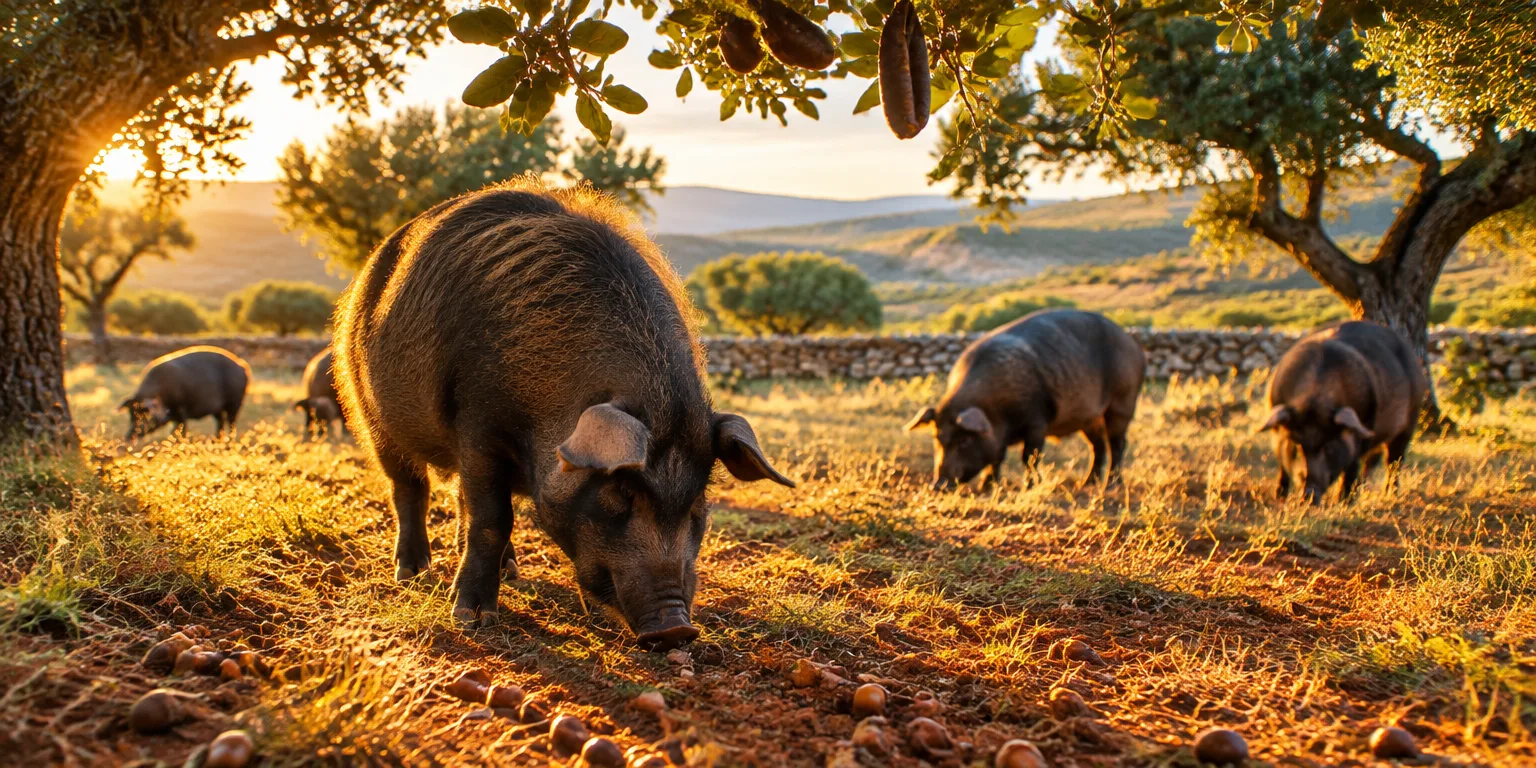
He learned that lesson in Sardinia, while researching longevity. Linto, his host there, served him and his companions a pork dinner made from the whole animal.
Then Linto explained his method. Hyman recalls him saying, “We flavor the animal before we kill it.”
By that, Linto meant the feed. The pigs were given carob, acorns, and other local foods, and that diet gave the meat its flavor.
According to Hyman, Sardinian shepherds use the same logic with sheep and goats. They believe grazing certain plants at certain times of year gives better tasting milk or cheese.
Hyman links that flavor to what he calls “the medicinal properties of the food.” That connection is his view, not a proven effect.
Because he thinks flavor follows quality, that belief is why he likes to eat simply. Last night, his dinner was a Japanese purple sweet potato from Okinawa, full of plant compounds called phytochemicals, served with ghee, which is clarified butter, and salt.
Questions people ask
Do acorns really change how pork tastes?
Yes. Pigs that eat acorns and other forest foods store different fats, and those fats affect aroma and flavor. Spain’s famous acorn-fed ham is prized for its nutty taste and soft fat for the same reason.
Can grazing really change the taste of milk and cheese?
Yes. Spring grasses and wild herbs are rich in aromatic compounds that pass into milk. That is why cheesemakers prize mountain summer milk, and why the same cheese can taste different by season.
What are phytochemicals?
They are natural chemicals that give plants their color, smell, and bitterness, and many act as antioxidants. Purple sweet potatoes get their color from a group called anthocyanins, also found in blueberries and red cabbage.