Kennedy Chose a Secret Deal When His Generals Wanted an Attack
Outnumbered 15 to 9 inside his own White House team, he traded American missiles in Turkey for Soviet missiles in Cuba.
 Who Killed JFK? · "Shots Have Been Fired"
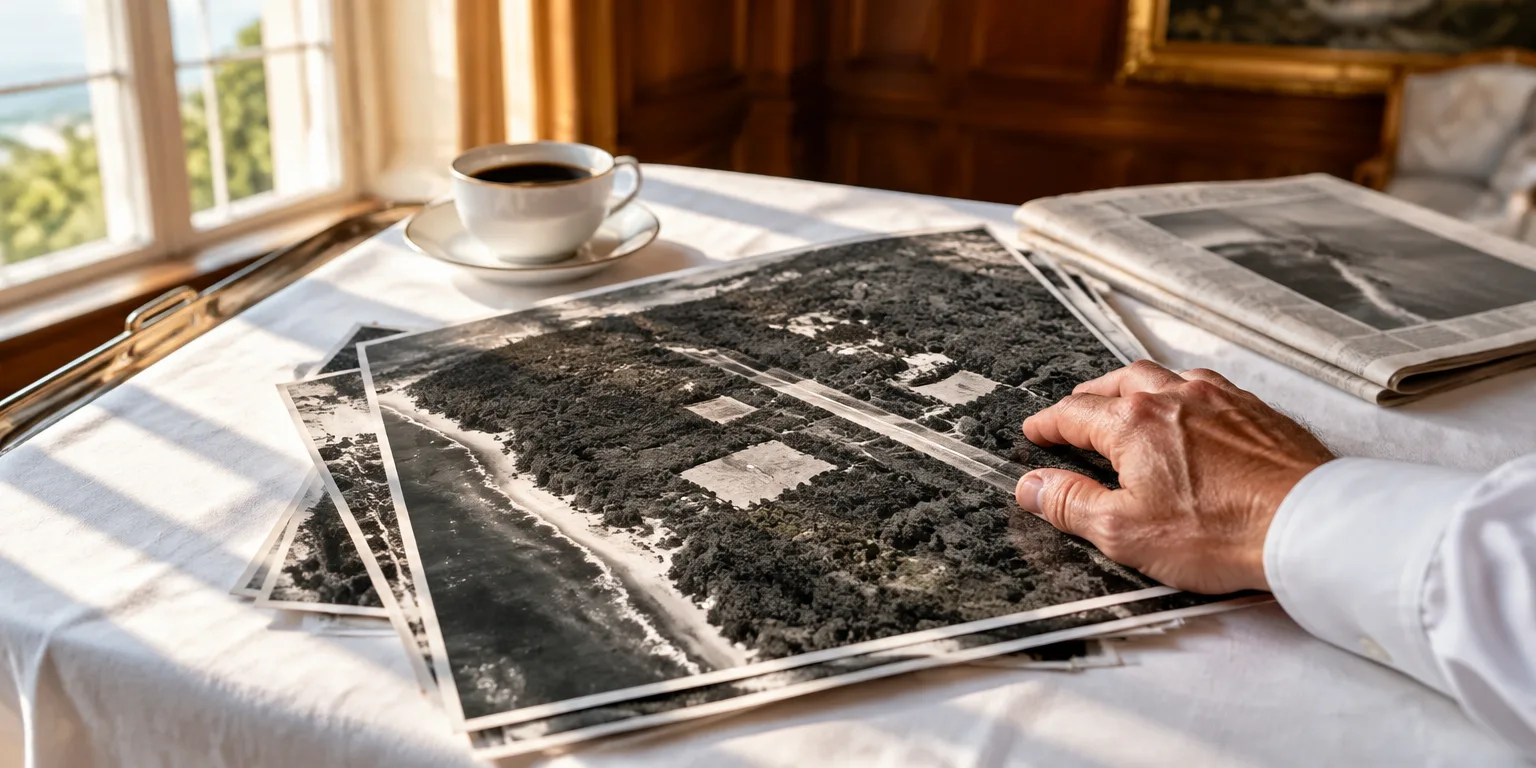
The photographs were brought to John F. Kennedy while he was having breakfast upstairs in the White House. They showed Soviet crews installing nuclear missiles in Cuba.
Historian Jon Meacham recounts the moment, saying Kennedy's first reaction was personal and stunned: "How could they do this to me?" Attorney General Robert Kennedy, the president's brother, answered with a burst of curses at the Russians.
A few days later, President Kennedy went on television to tell the country what the pictures showed. President Kennedy said the sites were in preparation "to provide a nuclear strike capability against the Western Hemisphere."
A missile launched from the island could hit Washington in about 20 minutes. Kennedy convened ExComm, his special White House crisis group, and kept its decision makers meeting in the West Wing nearly continuously for almost two weeks.
Behind closed doors, senior military leaders saw the chance they had waited for to invade Cuba and assert American superiority. Gen. Curtis LeMay, the cigar-chomping Air Force general, looked at the young president and said, "You're in a hell of a fix, Mr. President."
The division was stark. Fifteen advisers favored immediate attack and nine favored diplomacy. The majority view in that first week was to bomb the sites, invade the island, and remove Cuban leader Fidel Castro. Kennedy, a World War II Navy veteran unimpressed by commanders eager to risk other people's lives, was in a frightened minority hours from an order that could have killed hundreds of millions.
While the clock ran, Kennedy and Soviet leader Nikita Khrushchev exchanged direct letters. Khrushchev, who said he had lived through two wars, wrote, "We must not succumb to intoxication and petty passions." He warned Kennedy against pulling tighter the knot of war, and urged steps to untie it.
Kennedy chose negotiation. The United States secretly agreed to remove its missiles from Turkey, and Khrushchev, standing up to his own hardliners, agreed to remove Soviet missiles from Cuba. Meacham sums up the change by saying the Kennedy of 1961 was not the Kennedy of 1962, and the Kennedy of 1962 was not the Kennedy of 1963, as the president moved from conventional Cold Warrior to seeking a strategy for peace.
Questions people ask
What exactly was ExComm?
ExComm was the Executive Committee of the National Security Council, a group Kennedy created for the crisis. It included the vice president, the attorney general, senior cabinet secretaries, military chiefs, intelligence officials, and other advisers, and it met in secret in the West Wing for 13 days.
Why did the U.S. have missiles in Turkey?
The United States had stationed Jupiter nuclear missiles in Turkey in 1961, within range of the Soviet Union. Kennedy had already doubted their military value, so quietly offering to remove them gave Khrushchev a concession he could present to his own generals as a reason to withdraw from Cuba.
How close did the crisis come to actual fighting?
No direct battle broke out between American and Soviet forces, but an American U-2 spy plane was shot down over Cuba and its pilot was killed. A Soviet submarine officer also refused pressure to launch a nuclear torpedo. Historians still describe the standoff as the closest the world has come to nuclear war.