Musical.ly Tried a Bigger Logo and Creator Q&As to Grow
After 14 slow months, the lip-sync app tried a more visible logo and Q&As with popular creators to pull users into the app.
 Y Combinator Startup Podcast · #2 - Network Effects with Anu Hariharan
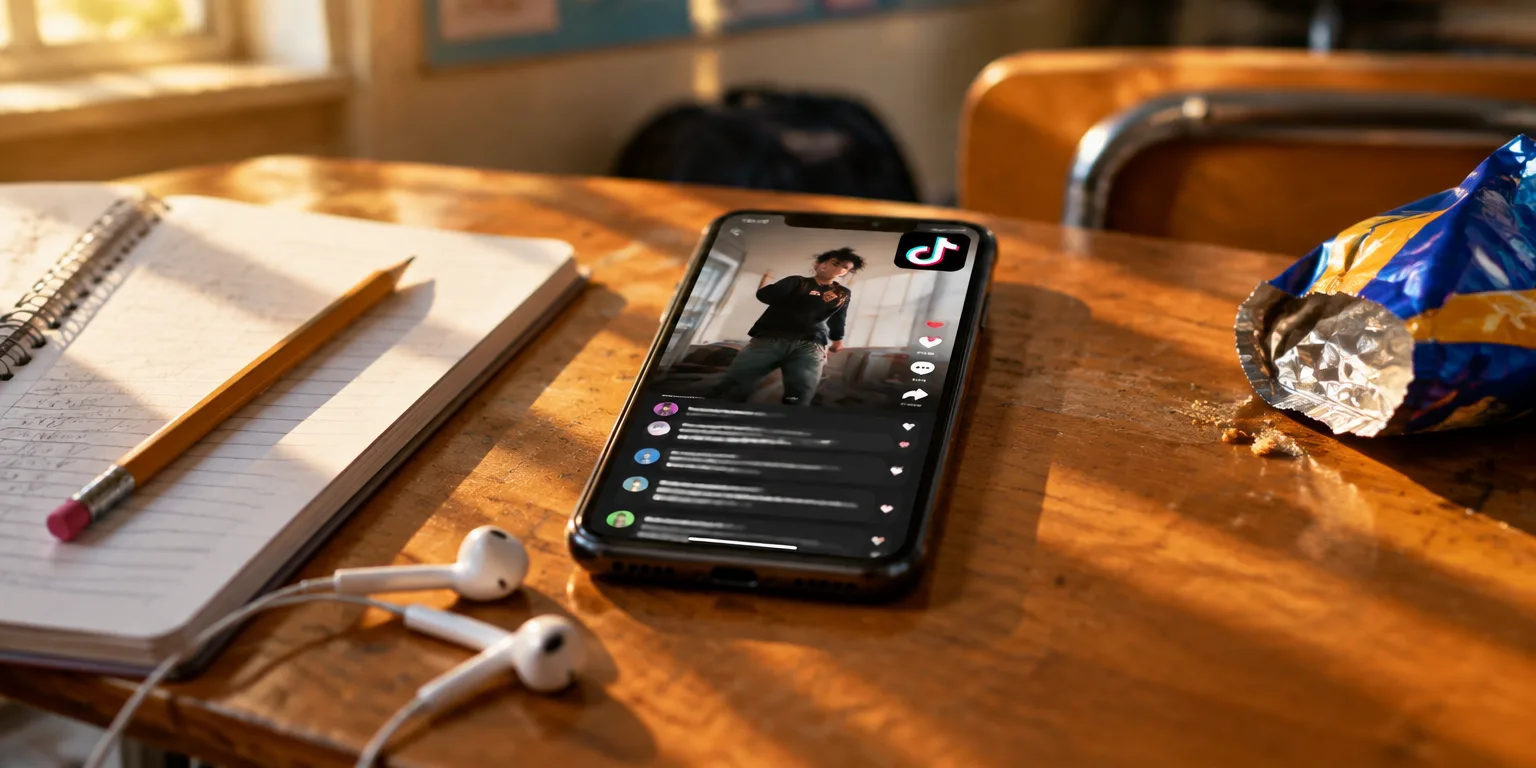
Teens were using Musical.ly to make short lip-sync videos. The tools made the videos easy to create, and it was fun and cool, so school kids began picking it up.
Musical.ly had pivoted from an education app to this teen video tool. Anu Hariharan, a partner at YC Continuity, an investment fund that backs founders as they scale, described the early use in 2017.
But for the first 14 months or so after Musical.ly launched, growth stayed slow. Founder Alex has talked about that stretch, when the company nearly ran out of money.
The snag was that Musical.ly was serving mostly as a production tool. People made videos there, then shared them on Instagram and Twitter, so much of the viewing happened elsewhere.
To shape it toward a community, the team tried making its logo more prominent. When clips circulated on Instagram or Twitter, viewers would learn about Musical.ly and download it.
The team also saw that some creators stood out. Those top musers had large followings and were especially good at making lip-sync videos.
So Musical.ly created a question and answer section in the app for followers to interact with those popular creators. That helped draw part of that outside audience back inside the app.
In 2017, Hariharan said the company had begun prioritizing additions that fostered community and a network on the app itself. She said it was too soon to tell whether it would become a network, but more users were going directly to Musical.ly.
Questions people ask
What exactly did Musical.ly do?
Musical.ly let users pick a song and film themselves lip-syncing, with editing tools that made even rough clips look polished. The focus was teens making music videos, often comedy or dance, to share with friends and followers.
What is the difference between a tool and a network?
A tool helps one person do one job, like editing a video, while a network gets more valuable as more people join it. Musical.ly started as a tool because users could make videos alone, but it needed fans and creators interacting inside the app to become a network.
What happened to Musical.ly?
In 2017 ByteDance bought Musical.ly, and in 2018 it was merged into TikTok. Many Musical.ly accounts, creators, and short video formats carried over, helping TikTok grow quickly with teen audiences.