No One Knows AI's Carbon Footprint Because No One Itemizes It
Even Google and Microsoft publish only lumped totals, and researchers say tech reports still lack separate accounting for AI.
 Marketplace · This holiday shopping season is all about the deals
Ask an app how much carbon your drive to the store produces and you will get an answer. Ask how much is released by one AI query, or by the entire AI industry, and there is no reliable answer.
The reason is basic accounting. Eric Masanet, who studies energy use at the University of California, Santa Barbara, says many companies that operate data centers, the giant buildings full of computers that run AI, do not report emissions at all. When they do, Masanet says, "sometimes the reporting can vary from company to company."
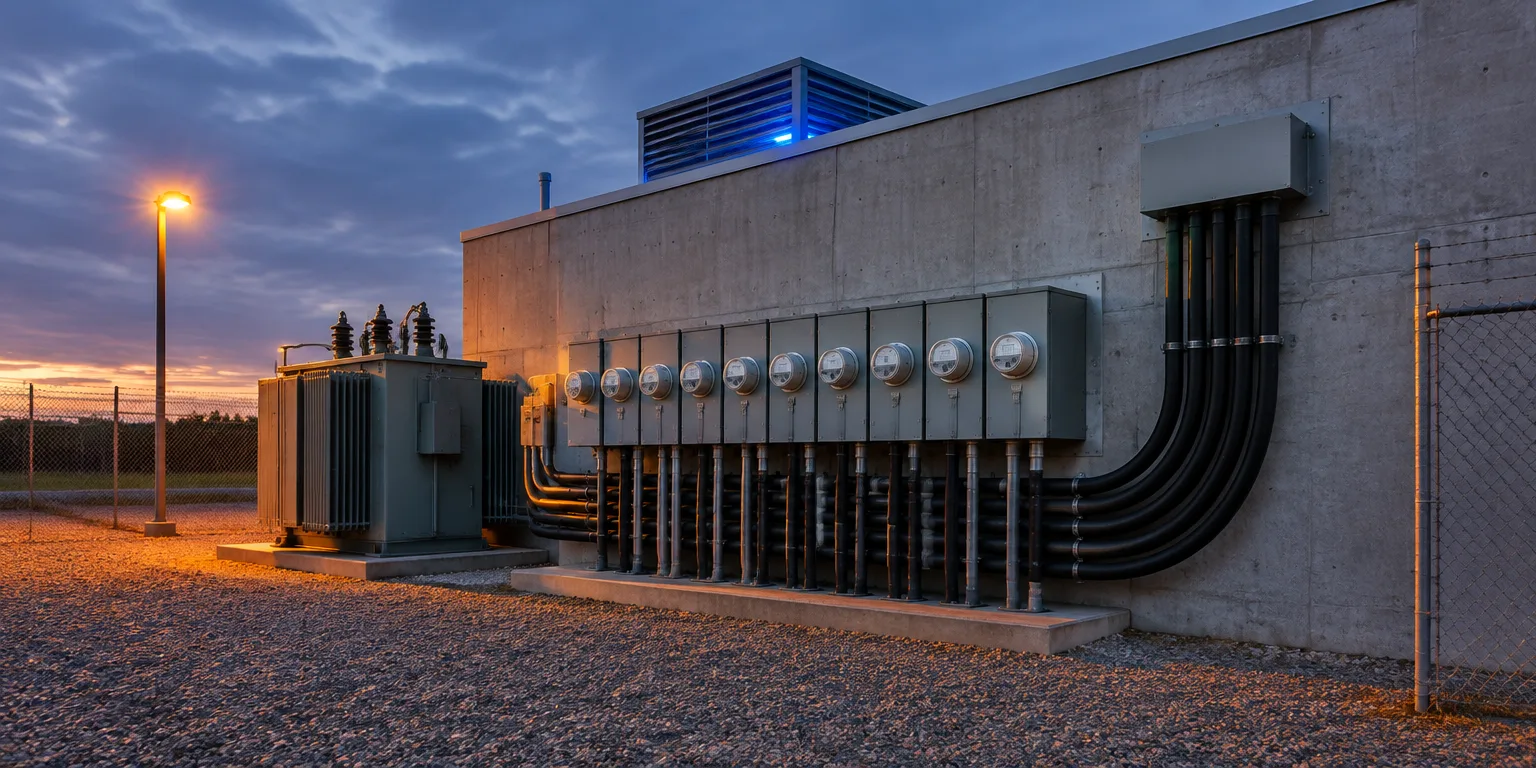
Even the most forthcoming reports do not solve the problem. Google and Microsoft publish overall carbon totals, the kind of disclosure the European Union already requires, but those figures lump everything together. Masanet calls those reports "a bit like submitting a non-itemized restaurant receipt where you can't tell the food from the booze," and says most tech industry sustainability reports still do not break out AI separately.
Researchers therefore cannot always be sure what is actually happening within those facilities, whether the electricity went to training an AI model or to streaming video. California tried to force more clarity, with a deadline last week requiring companies doing $1 billion or more of business in the state to disclose their direct emissions and the emissions from the power they buy.
That rule covers about 2,500 companies, including major AI firms. Until now, there had been no carbon report from OpenAI or Anthropic, the biggest AI developers, or from some large data center operators. Mary Nichols, the former chair of California's air regulator who is now at UCLA Law, says the hope is that public data will pressure companies to clean up.
Help is already a business. Barnaby Lynch, who works at sustainability data firm Watershed, says consultants piece together footprints from employee flights, energy bills, truck routes, and vehicle types. But just hours before last week's California reporting deadline, a federal appeals court left the current reports standing while ruling that more detailed supply-chain disclosures due next year are illegal.
That leaves the industry's big promise untested. Tech companies say AI will create efficiencies and emissions savings across society, but Masanet says researchers do not know if those savings are real, or large enough to offset the power-hungry data centers needed to run AI in the first place.
Questions people ask
What exactly does California now require companies to disclose?
The California law applies to public and private companies doing at least $1 billion of business in the state, about 2,500 firms. They must report their own direct emissions and the emissions from purchased electricity, heat, and steam. A broader requirement to report supply-chain emissions was blocked by a federal appeals court, though the state could appeal.
Why is it so hard to separate AI computing from other computing?
Data centers host thousands of shared servers that can switch rapidly between customers and tasks. Without separate meters and logs for AI training and use, an outside researcher sees only the building's total power bill. Companies also treat workload details as competitive secrets, which makes independent estimates uncertain.
Could AI actually reduce emissions overall?
Yes. Tech firms often argue that AI will optimize trucking routes, manage electric grids, design more efficient materials, and reduce office travel. Those benefits are plausible, but researchers say they are difficult to measure and verify. So far there is no agreed accounting that proves the savings outweigh the added electricity demand.