Boeing Outsourced the Dreamliner and Spent $50 Billion to Bring It Home
Engineers warned that parts fell short and supervisors put schedule first, until executives admitted the plan was not working.
 American Scandal · Encore: Boeing | No Nerds, No Birds | 2
In 2008, Cynthia Cole, the president of Boeing's engineers' union, was walking the factory floor in Everett, Washington, when a quality assurance engineer approached her looking troubled.
He asked if they could speak privately. Cole led him off the noisy floor into a vacant office, where they sat facing each other across a desk in worn office chairs.
The engineer leaned forward and kept his voice low, as if he feared being overheard. The parts from new suppliers, he said, were not up to par and were nowhere near the standards from when Boeing made them in-house.
His warning went to the heart of a high stakes bet by Boeing CEO Jim McNerney. To compete with Airbus, McNerney had pinned the company's future on the 787 Dreamliner, a long range jet meant to cost 60 percent less to build than the older 777.
To hit that number, Boeing broke with its old practice of designing every component itself and giving outside shops detailed specifications. Instead, companies around the world would design and build many Dreamliner parts, while Boeing coordinated the sprawling network.
The engineer told Cole the system was failing. When he raised defects, his supervisor said to stay on schedule and not let fixes slow production. He said speaking up could get him in trouble, and other engineers had received the same response.
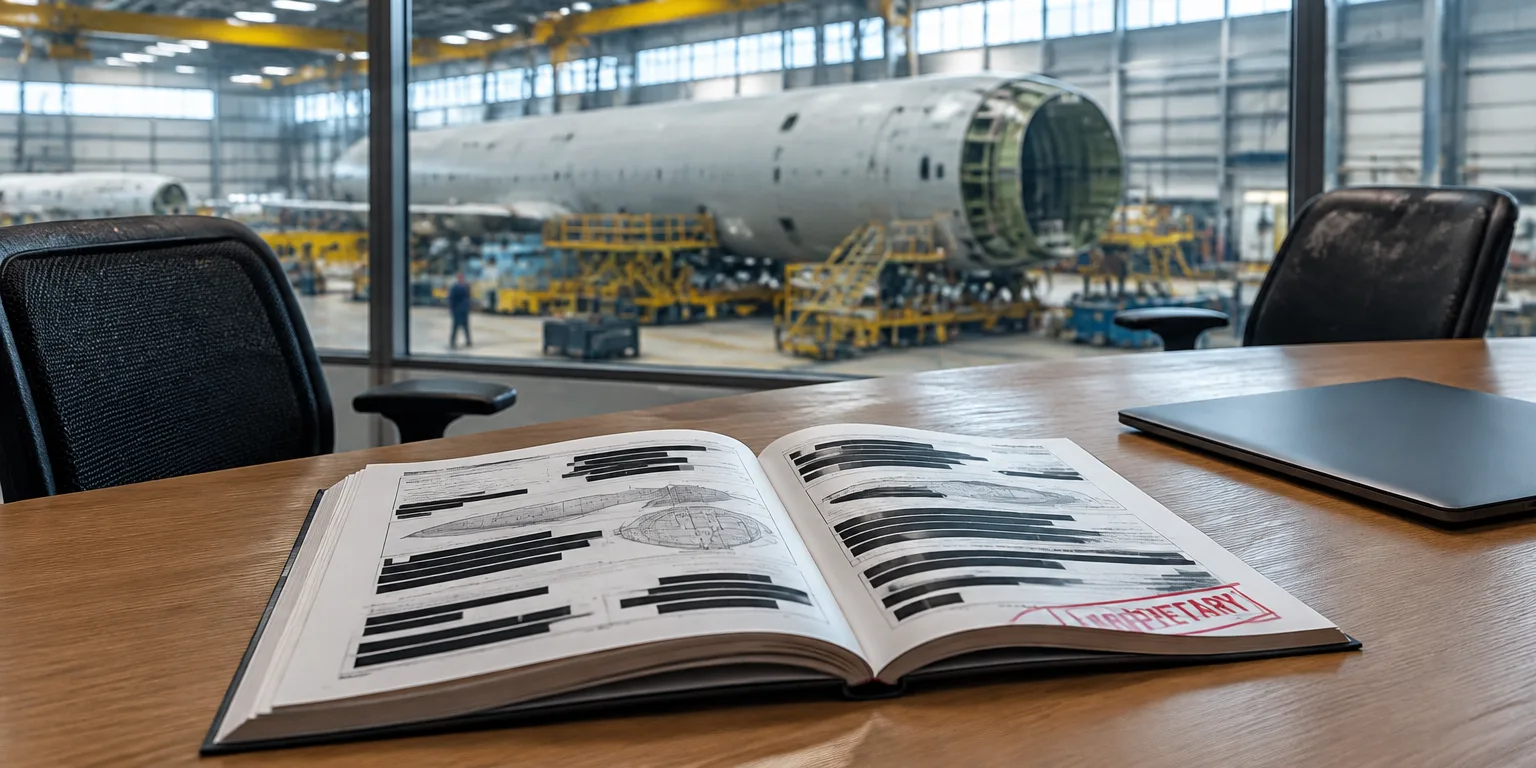
The examples were stark. The engineer said a friend told him that with one new vendor, "they had to tell them 18 times that the plane's smoke detectors had to connect to the electrical system." Some manuals arrived with pages blanked out and stamped proprietary, so Boeing workers did not know how parts worked or how to fix them.
Over the next several months, more engineers sought out Cole with similar stories in emails, in factory visits, and even in grocery stores and restaurants. She arranged town hall meetings where engineers told senior managers directly that the outsourcing was not working.
In 2009, senior executives admitted the experiment had failed. Boeing spent $50 billion to bring Dreamliner work back in-house, leaving the new plane behind schedule and over budget just as Airbus advanced on another front.
Questions people ask
Did the Dreamliner ever fly successfully?
Yes. After years of delays and cost overruns, the Dreamliner entered airline service in 2011 and became one of Boeing's best selling wide body jets. Airlines prized its fuel efficiency and lighter composite body, even as production quality issues continued to draw scrutiny.
Why would a supplier black out parts of a manual?
Suppliers often consider their designs and processes to be valuable intellectual property. They may withhold details to protect that advantage and preserve maintenance business, but that can leave the buyer unable to inspect, repair, or fully certify a part.
What does bringing work back in-house actually involve?
It generally means buying supplier facilities, canceling outside design contracts, and moving engineering and manufacturing back under the company's control. That gives the company more oversight of quality and changes, but it also restores the costs and payroll it had tried to avoid.