A Faulty Sensor Set Off False Stall Alarms While a Jet Nose Kept Dropping
The replacement sensor on the Lion Air jet was bought secondhand and later found broken.
 American Scandal · Encore: Boeing | Impact | 1
The Boeing 737 MAX 8 that crashed as Lion Air Flight 610 was flying with a faulty angle sensor that set off false stall alarms while something repeatedly pushed its nose down.
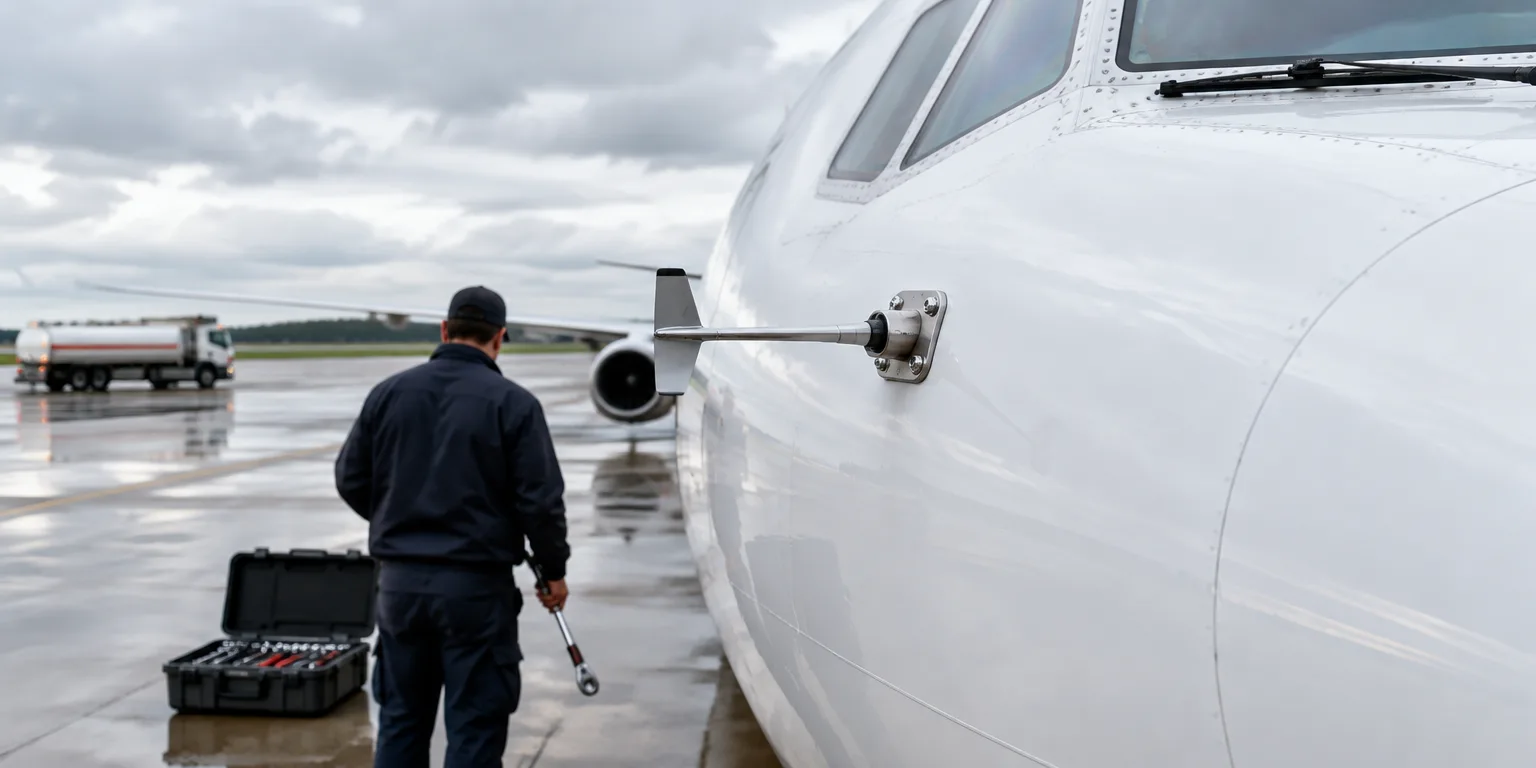
An angle sensor is a small vane that sticks out from the nose and measures whether the nose is pointed too high for the airflow, a warning sign that the plane could lose lift and stall.
On the day before the crash, a pilot reported faulty readings from the sensor. The maintenance crew replaced it with a part they thought was new, but it had been bought secondhand, and logs said the required tests were run.
After the crash, divers recovered the flight data recorder from the seafloor and investigators downloaded 69 hours of readings across the prior 19 flights. The data confirmed the replacement sensor was broken, which would have set off blaring alarms and shaken the control column violently.
The data also showed the pilots pulling back as the jet kept tipping its nose downward. Investigators could not explain why an aircraft would act like that, and sent their findings to Boeing for review.
Questions people ask
Is it normal for airlines to use secondhand parts?
Yes, when they are certified. Used parts can be removed from retired aircraft, inspected, recertified, and sold with paperwork, and airlines use them routinely to save money and time. The issue is whether the part was truly airworthy and correctly tested, not simply that it was previously owned.
What does a stall warning feel like in the cockpit?
It is designed to be impossible to ignore. An electric motor shakes the pilots’ control columns hard, accompanied by loud aural warnings and cockpit lights. The sensation is meant to mimic the buffeting an aircraft feels near a loss of lift.
Could the pilots tell the sensor reading was wrong?
Not easily in the moment. A faulty sensor can trigger multiple loud, shaking warnings at once, while the aircraft’s systems respond as if the danger were real. Investigators rely afterward on flight-data recordings, which in this case covered 69 hours across 19 flights.