Boeing's $1 Million Per Plane Promise Kept the 737 MAX Redesign Small
Southwest, which flew only 737s, wanted no simulator time for pilots, and Boeing backed the promise with cash.
 American Scandal · Encore: Boeing | No Nerds, No Birds | 2
Boeing needed a quick answer to a more fuel efficient rival from Airbus, and the fastest option was to update its workhorse 737 with larger, thriftier engines plus minor adjustments.
Inside Boeing, there was pushback. The 737 was already on its ninth iteration, with design elements dating to the 1960s, and some executives argued for starting from scratch with a modern cockpit.
Time settled the debate. Airbus had a significant head start, so Boeing had to promise delivery within about twelve months of Airbus or lose a major order from American Airlines.
On July 20, 2011, American agreed to split its order between Boeing and Airbus after Boeing commercial airplanes chief Jim Albaugh pitched a redesigned, more fuel efficient 737.
At the same time, Southwest Airlines agreed to order a few hundred of the updated jets. Southwest was Boeing's biggest customer and flew only 737s, so its demand carried weight.
Southwest did not want its pilots to need new training. Training is a major airline expense, because hours in a simulator keep pilots away from flights carrying paying customers.
Boeing assured Southwest that pilots could step from old 737s into the new plane with no simulator training. To show it was serious, Boeing made a conditional pledge: if simulator training turned out to be required, it would send Southwest $1 million for every plane affected.
That pledge reshaped the engineering job. If onboard systems or controls changed too much, the Federal Aviation Administration, the U.S. agency that certifies planes, would require extra training, exposing Boeing to a penalty reaching into the nine figures.
In a memo that December, Albaugh directed the redesign team to keep the overhaul more limited than any Boeing had attempted before.
Engineers were to touch only the parts affected by the new engines, plus a few small tweaks, and nothing more.
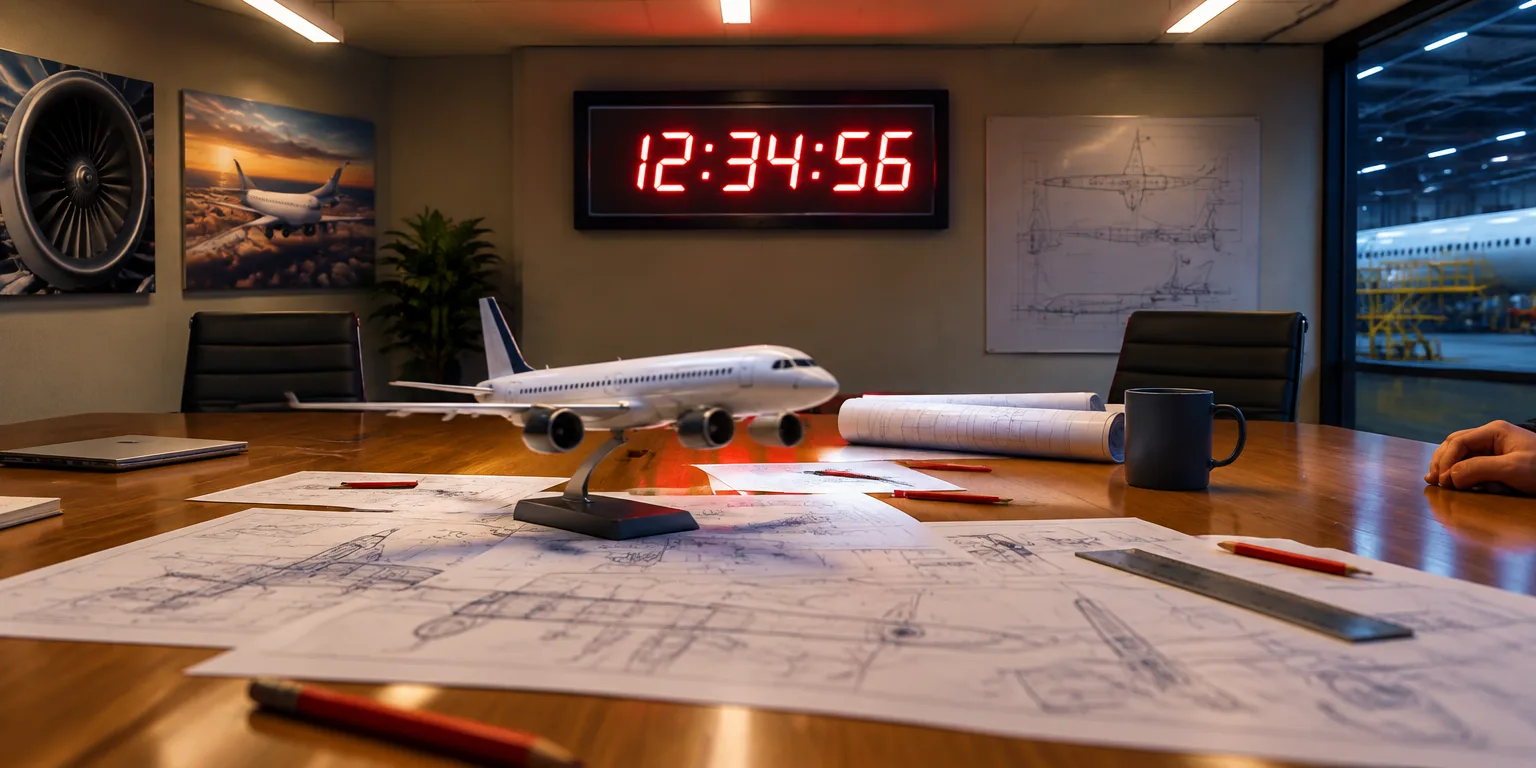
The schedule pressure became physical. In the conference room for the plane now called the 737 MAX 8, a manager hung a large digital countdown clock showing the time left to the next milestone.
Boeing had promised customers that deliveries would begin by 2017, roughly five years after the 2011 orders. Every MAX meeting would now happen under that ticking clock.
Questions people ask
What is simulator training?
A full motion simulator is a life size cockpit replica that moves and mimics flight. Regulators can require pilots to practice in one for hours before they fly a new model with passengers, and airlines must pay for the machine, the instructors, and pilots' time away from revenue flights.
Who decides when pilots need extra training?
The Federal Aviation Administration is the U.S. agency that certifies new planes and pilot requirements. If it decides a redesign handles differently enough to affect safety, it can order additional classroom work, simulator sessions, or flight practice for pilots already qualified on the older version.
Why would an airline fly only one kind of plane?
Operating one type simplifies maintenance, spare parts, crew scheduling, and training. The tradeoff is dependence: when that single model has a problem or does not match a route, the airline has fewer alternatives than a carrier with several fleet types.