One Faulty Sensor Could Repeatedly Push a 737 MAX Nose Down
Pulling back on the controls could not override it, and pilots had never been told about the MCAS system.
 American Scandal · Encore: Boeing | Impact | 1
In October 2018, Lion Air Flight 610 went down in the Java Sea minutes after takeoff from Jakarta. Its flight recorder showed how a single bad reading from a small outside sensor could start software that drove the nose down for 10 seconds, eased for five, then drove it down again.
That same on and off dive pattern later appeared in recorder graphs from Ethiopian Airlines Flight 302, a second 737 MAX 8 crash in March 2019. Those graphs were released after the MAX fleet was grounded.
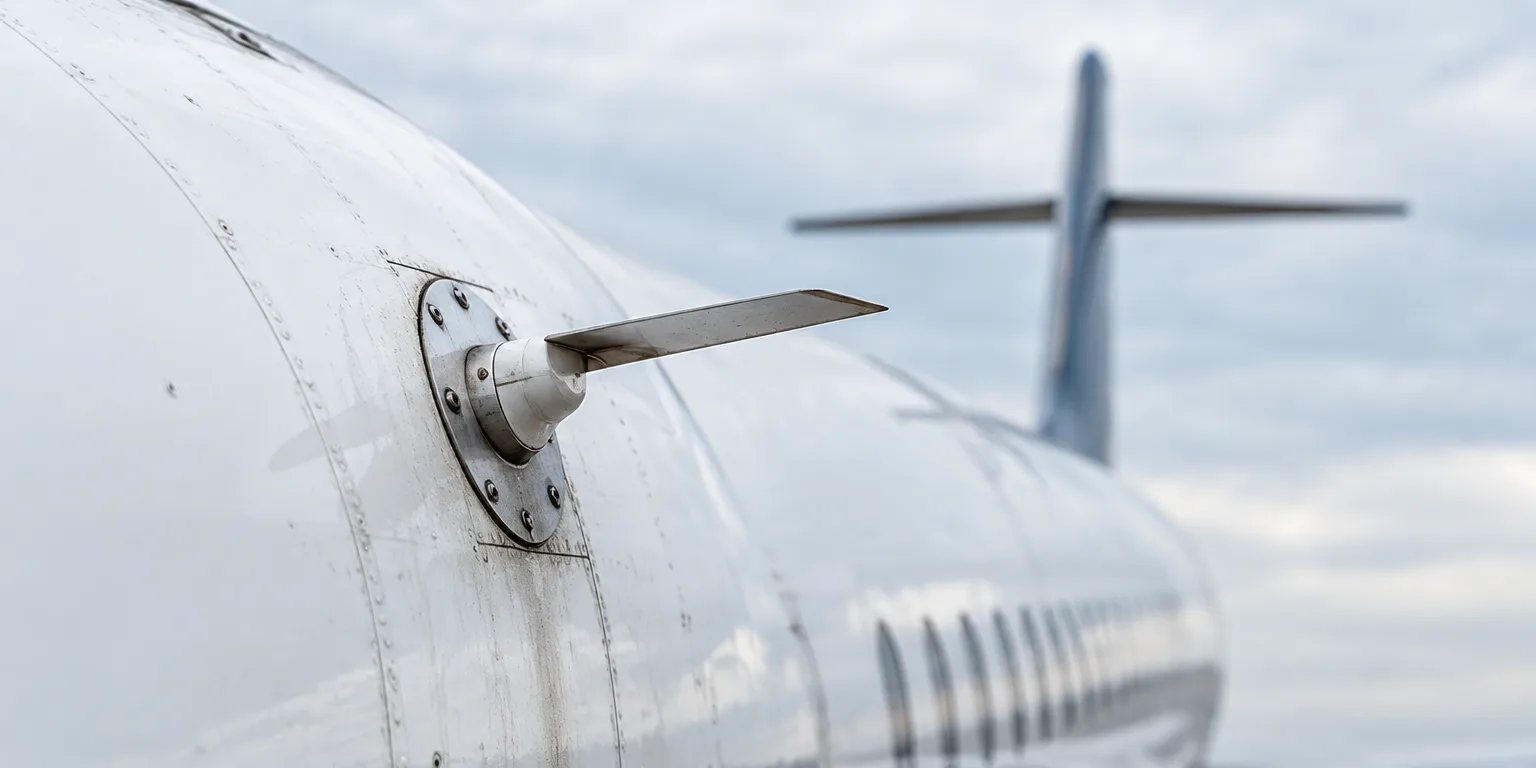
The sensor is called an angle-of-attack sensor. It is a small vane that measures the angle of the nose against the oncoming air, and tells the computer whether the plane is climbing so steeply that it might lose lift and stall.
On Lion Air, analysts who studied 69 hours of data from the plane's prior 19 flights concluded that a replacement sensor was broken. It falsely told the computer the jet was climbing so steeply it might lose lift, when it was not.
That false warning would have set off blaring cockpit alarms and violent shaking of the control column, the standard stall alert. Hidden underneath those alarms, the data showed something else: something was repeatedly forcing the nose down.
The hidden force was software called the Maneuvering Characteristics Augmentation System, or MCAS. It was designed to automatically correct the pitch if it thought the climb was too steep, by pushing the nose down to avoid a stall.
MCAS moves the nose by way of the horizontal stabilizer, a movable surface on the tail. In normal flight, an electric trim system uses that tail surface to keep the plane balanced, nudging the nose up or down as needed.
When the sensor gave false data, MCAS responded as if the stall risk was real and ordered repeated nose-down trim from the tail. Flight data showed the pilots hauling back on the yoke to lift the nose, only to have the plane force it back down, over and over.
On earlier 737s, a pilot could counter such an automatic push by pulling back on the wheel. With MCAS, pulling back did not stop it. The only override was to cut power to the motor that moves the tail.
That shutdown had to happen within about 10 seconds after the software started pushing the nose down, or pilots risked losing control. It was part of an existing runaway stabilizer procedure, in which crews turn off the automatic system and adjust the tail by hand.
The catch was that MAX pilots had not been told MCAS existed. On November 7, 2018, Boeing and federal regulators warned that faulty sensor data could trigger repeated nose-down commands, but pilots said they had received no explanation of the new system.
Safety experts were also puzzled by the design. The sensor was known to be vulnerable to damage, and airplanes historically use backups so one failure does not decide everything. Here, one sensor could start a repeating dive.
Questions people ask
What does it mean for a plane to stall?
A stall means the wing stops making enough lift to hold the plane up, usually because the nose is pointed too high for the speed. The plane can then drop or lose control. Warning systems shake the controls and sound alarms to prompt pilots to lower the nose and gain speed.
What is a horizontal stabilizer?
It is a movable horizontal wing on the tail. By tilting slightly, it changes whether the nose points up or down. Pilots and automatic systems use small adjustments, called trim, to keep the plane balanced without constant pushing or pulling.
Why do airplanes normally have backup sensors?
Redundancy means having two or more independent ways to get a critical measurement or perform a critical job, so one failure does not cause disaster. Airliners commonly compare readings from two sensors and alert crews when they disagree. The concern raised after Lion Air was that MCAS could act on one sensor alone.