Nominal Raises $240 Million at $3 Billion Valuation to Untangle Hardware Test Data
The round triples its March valuation and backs a push to help engineers trace costly test failures faster.
 techstartups.com · Startup Funding News Today, November 10, 2026: Blackletter, Coframe, Nominal, Project Omega, Sumary, Vessel & More - Tech Startups
Nominal has raised $240 million in Series C financing at a $3 billion valuation, led by Lightspeed Venture Partners and co-led by Insight Partners. The round matters because when a trial of physical equipment goes wrong, it can set back a program or require a costly rework, and software that pinpoints the cause faster could save money and reduce safety risks.
The financing triples the $1 billion valuation reported for its March 2026 Series B extension. Other backers include Lux Capital, Sequoia, General Catalyst, Founders Fund, Avenir, Salesforce Ventures, M13, and Lockheed Martin Ventures.
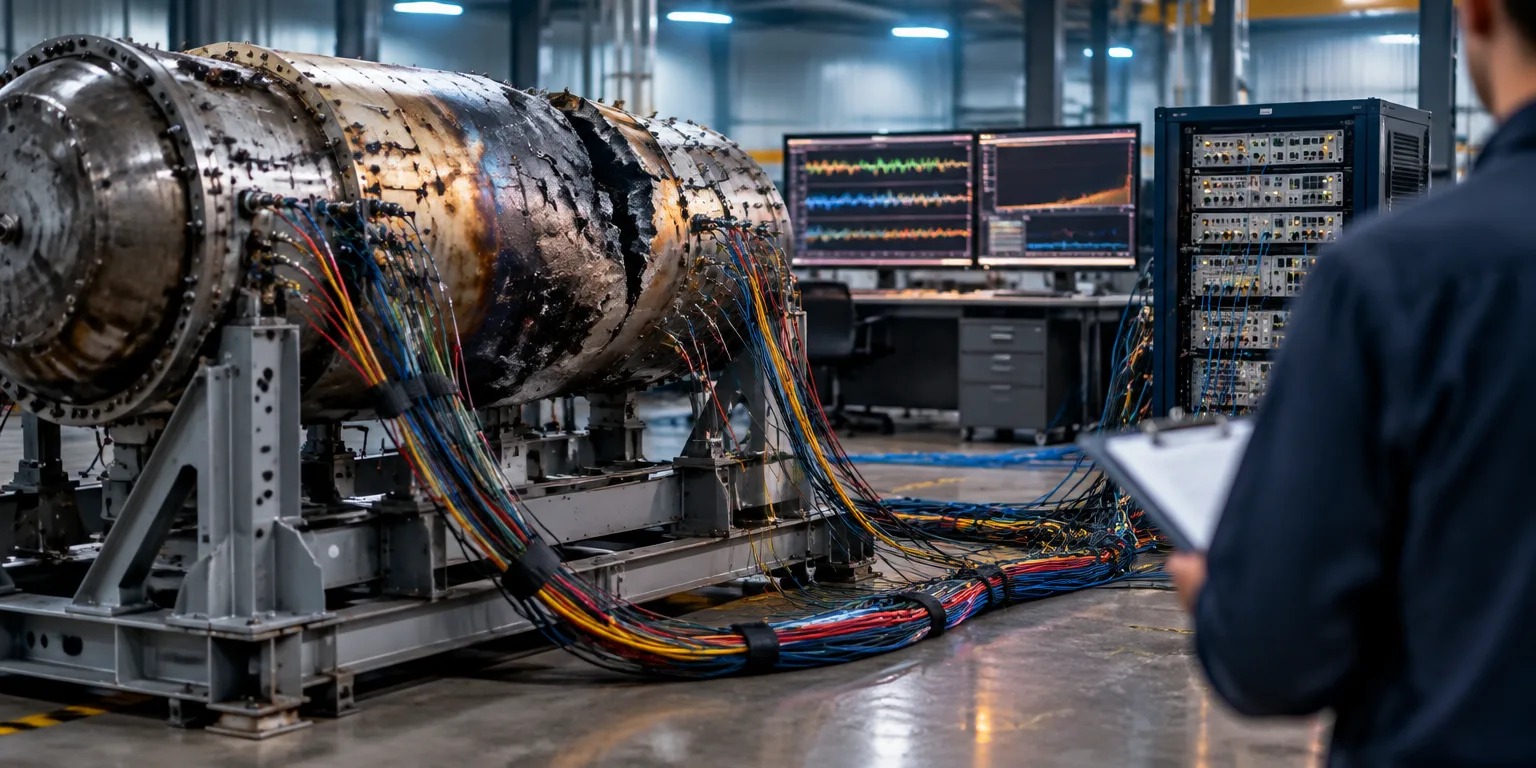
Founded in 2022, Nominal builds software for engineers working on complex physical systems in aerospace, defense, energy, robotics, and industrial manufacturing. Its platform pulls together test information from measurement devices, computer models, software logs, and internal write-ups, and uses data tools and AI agents to help investigate what went wrong.
The company says it serves more than 80 commercial and government organizations, including five of the seven largest defense contractors. Its described edge is a live link to test equipment, setup details, and past test results, unlike a general chatbot without that connection.
What to watch is whether Nominal can show its AI lifts engineering results while avoiding serious mistakes. Its $3 billion price tag reflects a bet that it will spread to many sectors that build costly physical goods, but that expansion is still to be proved.
Questions people ask
What does a Series C financing mean?
A Series C is typically a later private funding round used to scale a company that already has customers and revenue. Investors pay a higher price than in earlier rounds because the business is more developed, but they still expect substantial future growth.
Why is investigating a hardware failure so difficult?
Modern equipment is covered with sensors that record temperature, pressure, vibration, and other readings, and teams also run computer simulations of how parts should behave. When something breaks, engineers must piece together those different records to reconstruct what happened.
Why would defense buyers want tools like this?
Defense and aerospace programs involve costly hardware, long schedules, and strict safety requirements. A tool that shortens failure investigations could avoid delays and redesigns, which makes faster analysis valuable to contractors and government organizations.