Real Monopolies Say Their Market Is Huge, Fakes Say It Is Tiny
It comes down to a trick of definition: lumping markets together to look small, or stacking qualifiers to look unique.
 YC Root Access · Lecture 5 - Competition is for Losers (Peter Thiel)
Listen to how a company describes its market and you can tell whether its monopoly is real. That is the test Peter Thiel offers to young founders deciding where to compete.
His starting point is stark. Peter Thiel says, "there are exactly two kinds of businesses," those stuck in perfect competition, where many sellers offer similar things and profits get competed away, and monopolies, which dominate and keep their profits.
The problem, he says, is that people constantly lie about which kind they are, and the lies run in opposite directions. A real monopolist wants to look competitive, to avoid attention from regulators. A weak business wants to look unique, to attract investors.
Put in plain set theory, the monopolist describes its market as a union, a lumping together of vastly different markets that makes its share look small. The weaker business describes its market as an intersection, a stacking of narrow qualifiers that makes it look like the only player.
His example of the first trick was Google, which in his 2014 talk he described as completely dominant in search with about a 66 percent share at the time.
In 2014, he said Google rarely described itself as a search engine. Instead it described itself as an advertising company, where search ads were about 3.5 percent of a nearly 500 billion dollar global market.
Or, he said, it described itself as a technology company in a roughly 1 trillion dollar market. There it competed with carmakers on self-driving cars, and with Apple, Facebook, Microsoft, and Amazon on other products.
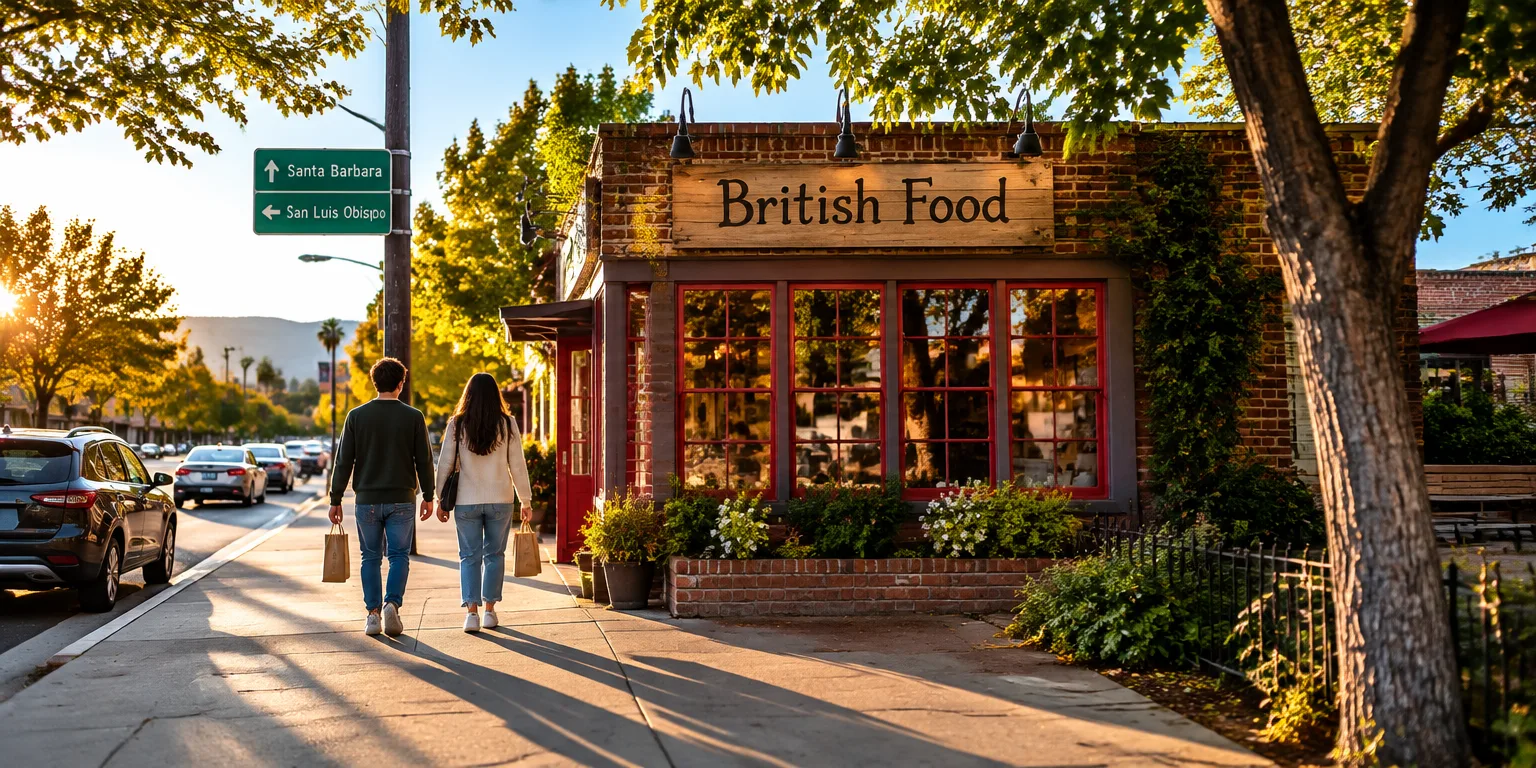
His standard example of the second trick is restaurants, a business he calls terrible because competition wipes out profits. Thiel says the pitch becomes, "we're the only British food restaurant in Palo Alto." That sounds like a monopoly until you notice diners can drive to Mountain View or Menlo Park, and few people eat only British food.
He says Hollywood uses the same move by pitching a film that combines unrelated elements, such as a college football star joining elite hackers to take on a shark. That film has not yet been made, he said, but the right category may simply be another movie, in a business where it is very hard to make money.
So his takeaway is to test any claim to uniqueness with three questions. Is the narrow category real, does the intersection make sense, and does it have value. When the answers are weak, he calls that intersection rhetoric a bad sign, saying it generally does not work.
Questions people ask
Why would a powerful company want to hide its monopoly?
A company that looks like an unchallenged monopolist invites scrutiny from antitrust regulators, politicians, and the public. Thiel argues it is safer to say, we compete with everyone in a vast global market, than to admit dominance in a market it controls.
Why would a weak business pretend to be a monopoly?
Opening a restaurant or making a film takes money upfront, and investors avoid businesses that look like sure losers in crowded fields. Claiming a unique niche makes the venture sound differentiated, defensible, and more likely to earn a return.
Is being the only British restaurant in one town enough to be a monopoly?
No. Thiel uses nearby towns to show that customers do not stay inside clever geographic or cuisine boundaries. If alternatives are a short drive away and few people want only that narrow offering, the business still faces full competition.