Old Cars From the 1930s to 1950s Are Losing Value as Collectors Die
Younger buyers want muscle cars and 1980s and 1990s models, leaving earlier antiques with fewer bidders and falling prices.
 This Week in Startups · Can Nvidia Survive the Jensen Huang Spy Scandal? | E2361
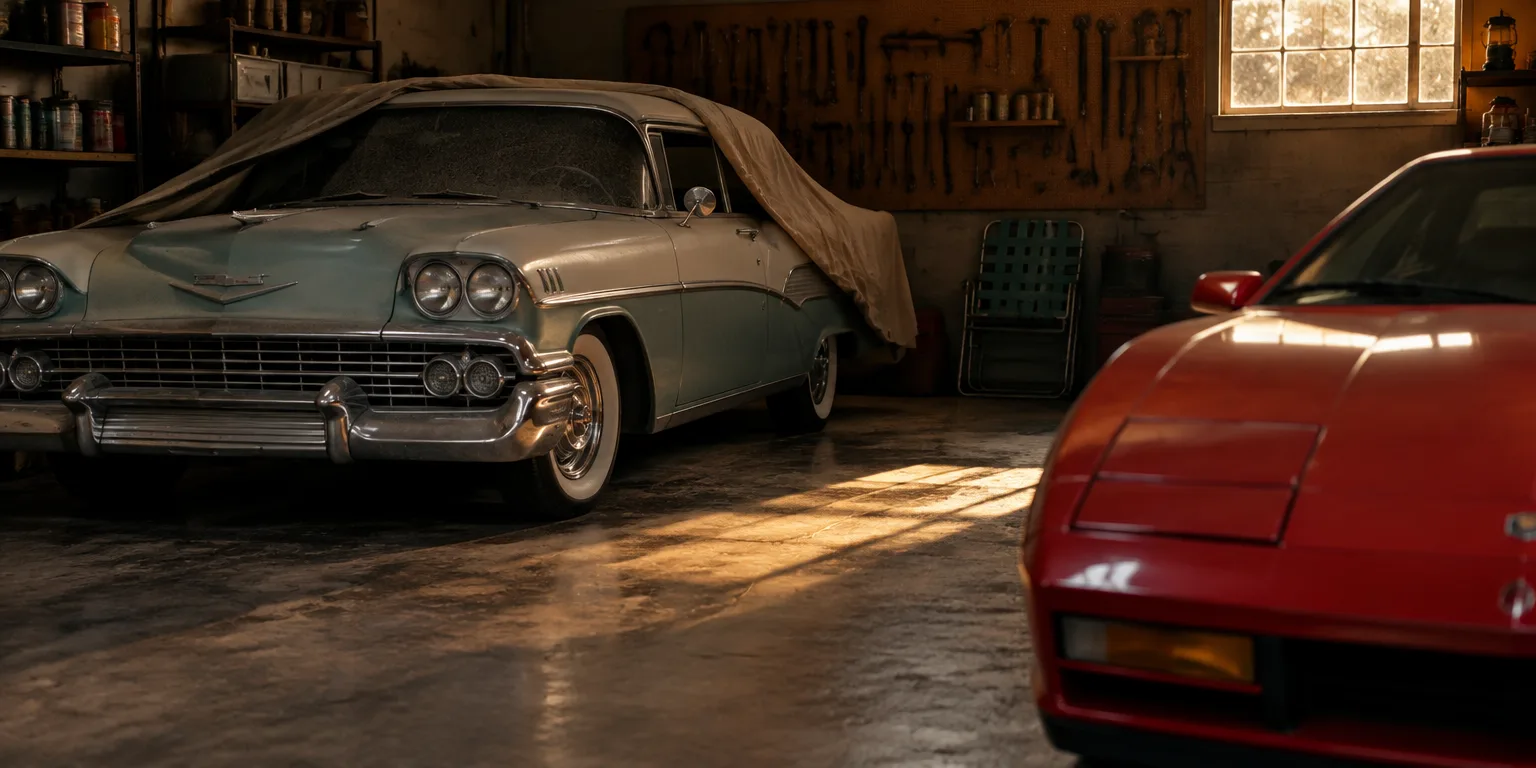
A big American car from the 1930s, 1940s, or 1950s that once sold for $100,000 or $200,000 is now hard to sell at all. Investor and car fan Jason Calacanis says the cause is generational.
Many of the owners were baby boomers who bought these cars in retirement, kept two or three in the garage, and took them out on Sundays, sometimes with grandchildren along for the ride.
When those owners die, they leave widows who have the cars. Those cars then enter a thin market with few buyers.
Few younger buyers have extra garage space, fewer still want to maintain an old engine, and some may never drive regularly at all in a future of ride services and self-driving cars.
Taste has also moved on. Calacanis says his generation, Generation X, wants the muscle cars and later models it grew up admiring, including late 1960s and 1970s Corvettes, 1980s DeLoreans, 1990s Mercedes and BMW convertibles, Mustangs, and Dodge Challengers.
The cars losing value are the long, heavy boat-style cars of the 1930s through 1950s, the kind celebrated in the 1973 movie American Graffiti about California teenagers and hot rods. Their antique status does not guarantee demand.
So supply rises while demand shrinks, and prices fall. Calacanis wonders whether many of the oldest cars will end up less as Sunday drivers and more as museum pieces.
Questions people ask
Why does garage space matter so much for old cars?
A collector car needs dry, secure storage, regular maintenance, insurance, and parts that are often scarce and expensive. Without a garage and time for upkeep, ownership quickly becomes a burden rather than a hobby.
What is the difference between a classic car and an antique car?
A classic is often defined as a car at least 20 to 30 years old, while an antique is generally older, often 45 years or more, though definitions vary by club and state. The labels affect registration and insurance, but they do not guarantee rising value.
Are all old cars losing value?
No. Limited production, cultural fame, and condition can keep some models valuable, as with the DeLorean from the 1980s. The pressure is strongest on mass-produced prewar and early postwar cars that depended on a large, aging group of admirers.