Uber's COO Predicts Almost No One Will Own a Car in 20 Years
MacDonald says private cars waste money sitting idle, and he expects cheaper rides, bikes and self-driving cars could replace ownership.
 The Twenty Minute VC (20VC): Venture Capital | Startup Funding | The Pitch · 20VC: Uber President on The Untold Uber Stories: Travis, China and Self-Driving | Why Autonomy Is Existential | How to Beat DoorDash to #1 in Food with Andrew MacDonald
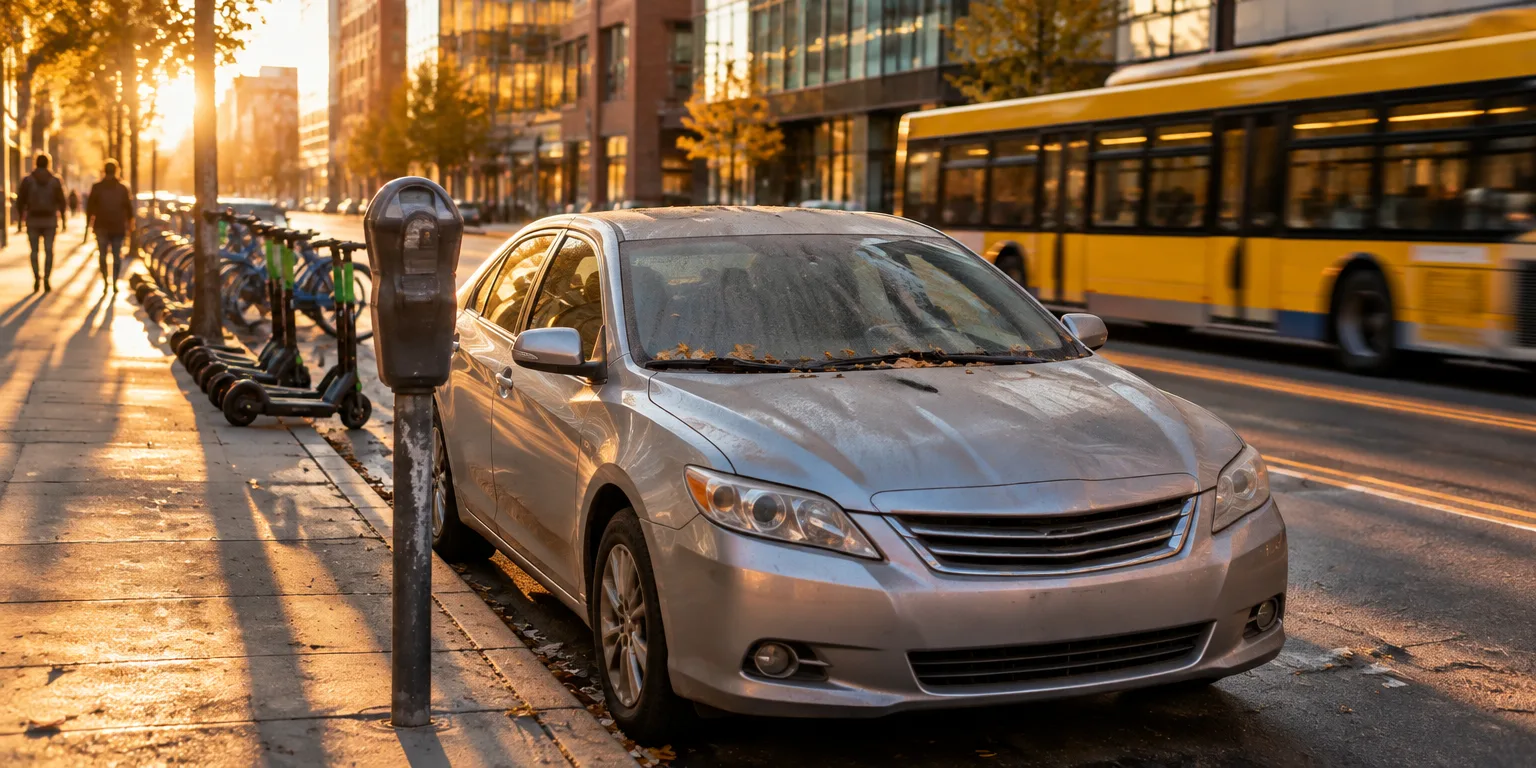
"It sits idle 98% of the day," says Andrew MacDonald, Uber's president and chief operating officer, describing a private car that loses value while the owner keeps paying for insurance.
He says "the individually owned car is the most inefficient asset that anyone owns, and certainly at any level of price point." Even when parked, he says, it depreciates and carries high operating costs.
He says that in 15 or 20 years, maybe not five years, almost no one will own a car or hold a driver's license. As he puts it, "One way to bring down price is to remove cost."
MacDonald ties that forecast to Uber's growth math. He says going from an average of six uses a month to 25 uses a month, and reaching 500 million users, requires bringing down the average transaction cost, since a $35 each-way UberX commute in New York is still a luxury.
Cheaper modes could help close the gap, he says, including trains on the app plus bikes and scooters, along with self-driving vehicles and public transportation.
Questions people ask
Is that 98% figure exact?
That 98% is MacDonald's figure, and he does not explain how he calculated it. It implies a car is used for about half an hour per day.
What does it actually cost to own a car each year?
The big items are depreciation, insurance, maintenance, fuel or charging, parking, and interest on a loan. Depreciation and insurance hurt most because they accrue whether the car moves or not, which is the heart of MacDonald's argument.
Could most people live without owning a car today?
In dense cities with transit, ride-hailing, bikes, and scooters, many people already manage without one. In suburbs and rural areas with longer trips and fewer alternatives, ownership is likely to last much longer.