Robert Caro Guesses 90 Percent of His Senate Research Is in His Files
His files at the New-York Historical Society hold the interviews and notes he had to leave out.
 Dwarkesh Podcast · What Robert Caro learned about power after studying it for 50 years
Biographer Robert Caro guesses that as much as 90 percent of what he learned about the United States Senate never made it into his books, while stressing he does not know the exact share.
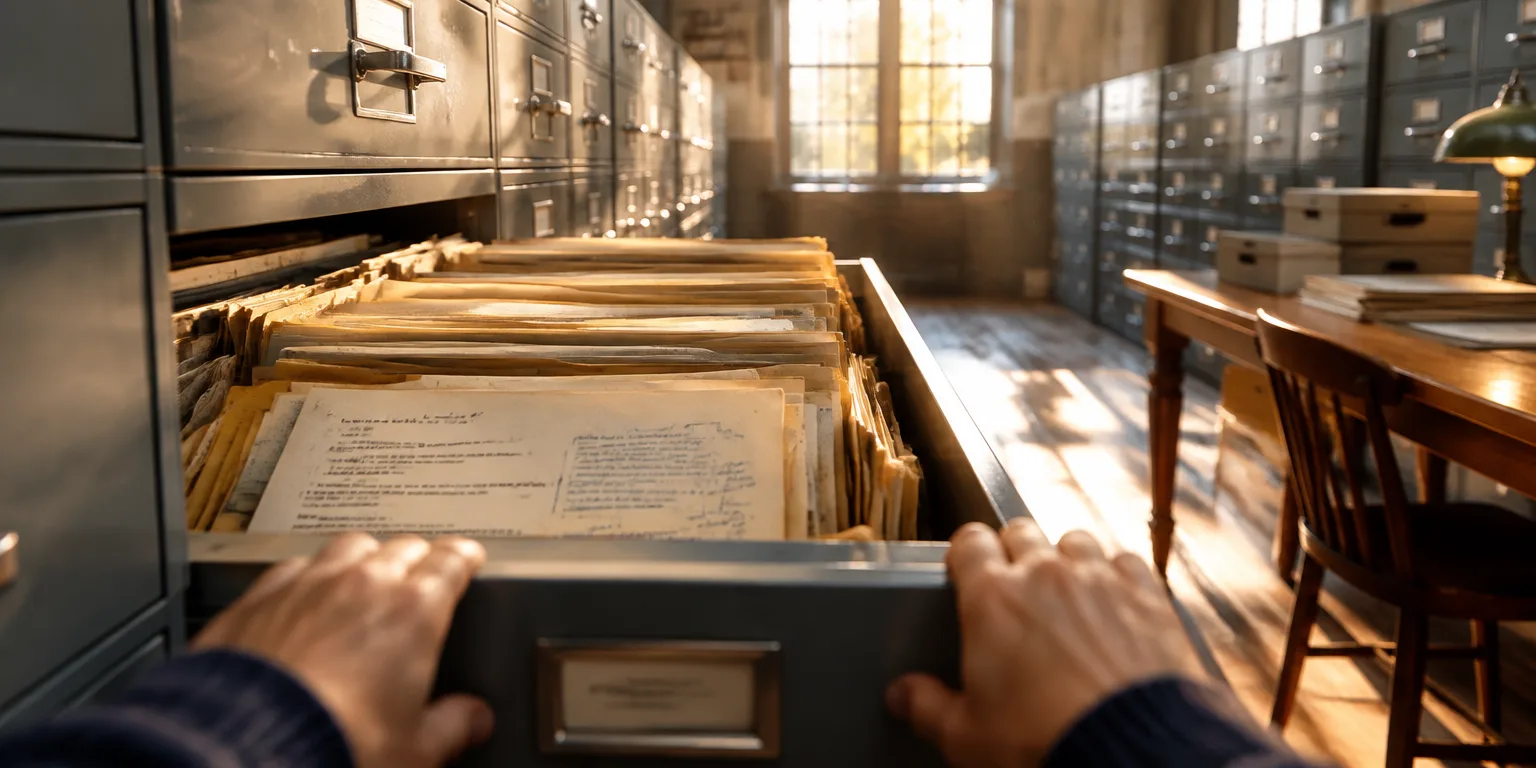
Caro, who has spent 50 years chronicling builder Robert Moses and President Lyndon Johnson, says the rest sits in his file cabinets.
To understand the Senate, he interviewed scores of senators and their assistants and kept detailed, typed notes. His research for his Moses book alone included about 700 interviews.
The files also hold material on figures like Sam Rayburn, the longtime House speaker who helped pass much of Franklin Roosevelt's legislation. Caro placed his papers with the New-York Historical Society, accepting much less money than other bidders offered, so it would stay in New York and be easy to use.
Questions people ask
Can anyone actually look at Caro's files?
Yes. The collection is housed at the New-York Historical Society and is open to researchers. It includes interview notes, documents, drafts, and correspondence from his books on Moses and Johnson.
Who was Sam Rayburn?
Rayburn was a Texas congressman and the longest serving speaker of the House of Representatives, holding the post for 17 years. He guided much of Franklin Roosevelt's New Deal legislation, and Caro says there is still no good biography of him.
Why did so much material get left out?
Caro and his editor, Bob Gottlieb, cut roughly 350,000 words from his 1.05-million-word Moses manuscript to keep it to one volume, which Caro had insisted on. Caro says some subjects also deserved more attention than his narrative could accommodate.