Shoppers Now Drive Two Thirds of the Economy
Shoppers were once bit players next to railroads and wartime saving, until higher pay, credit cards, and cheap imports put them at the center.
 Marketplace · This holiday shopping season is all about the deals
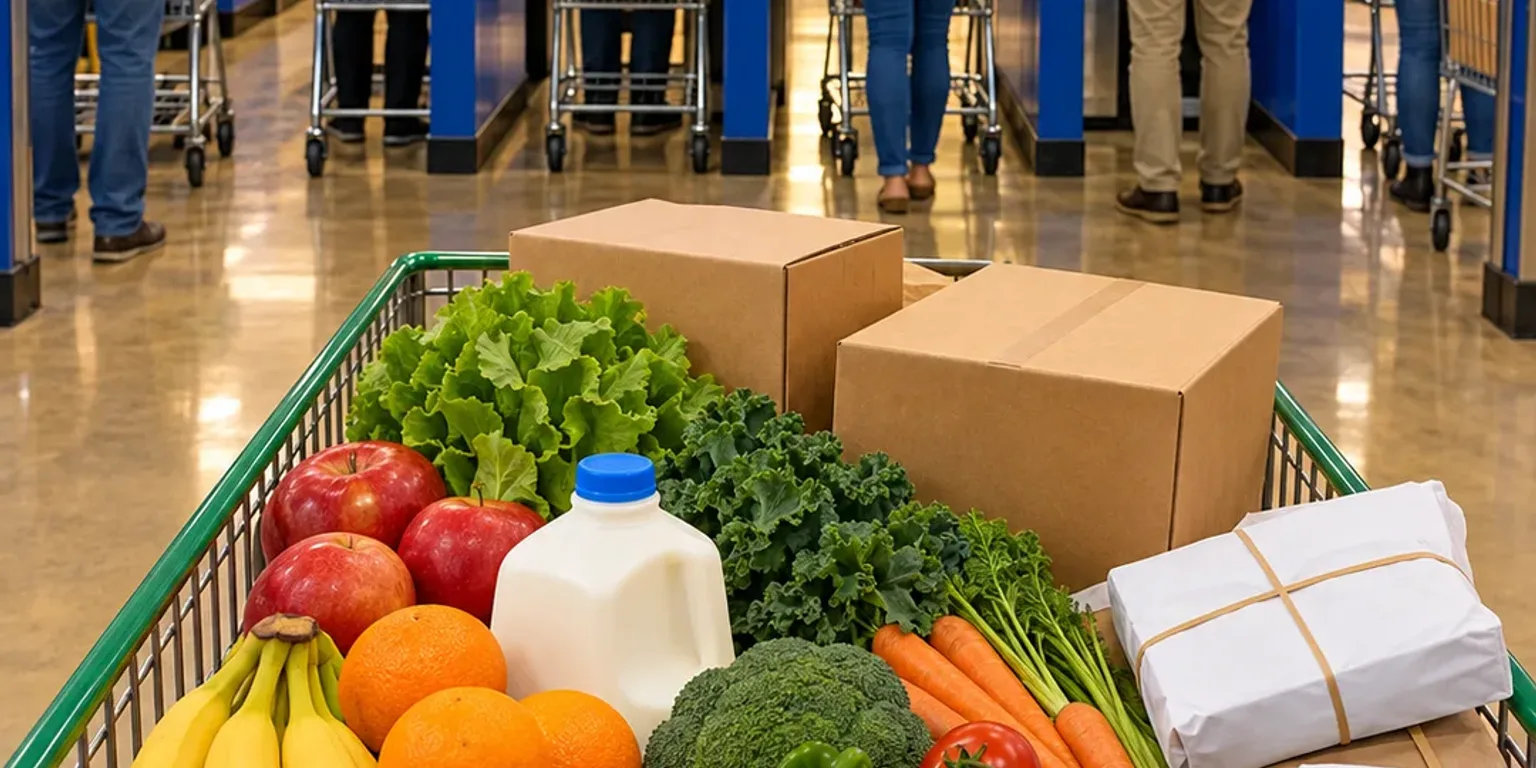
Nearly 68% of the American economy came from shoppers in the third quarter, according to the Bureau of Economic Analysis. That figure, called personal consumption expenditures, covers what regular people spend day to day, and it now accounts for more than two thirds of gross domestic product, or the value of everything produced.
It was not always that way. The economy has three big sources of spending, by consumers, by businesses, and by governments, and the mix has shifted over time.
In the late nineteenth century, companies did the heaviest spending, pouring money into railroads, said Lewis Hyman, who teaches economic history at Johns Hopkins. Everyday workers earned relatively little, so they had less to spend.
That began to change in the early 1900s as wages rose and companies looked for ways to get consumers to buy their products. Then World War II interrupted the trend. In 1944, consumer spending was less than half of GDP, because leaders urged saving rather than spending to avoid the inflation that had followed World War I, and rationing limited what people could buy.
Spending rose again in the postwar boom. By the 1970s, financing gave it another push, said Lily Geismer, a history professor at Claremont McKenna College. As a recession squeezed bank accounts, credit cards gave people a new way to keep buying.
At the same time, globalization brought lower-priced imports, while expanding superstores gave shoppers more places to buy them. Walmart started in the 1960s but grew rapidly in the 1970s and 1980s.
Policy choices helped put shoppers at the center of the economy. The country kept marginal tax rates low, invested less in public goods, and, in the words of Lawrence Glickman, a historian at Cornell, chose "to leave it up to the consumer to spend and borrow to drive the economy."
That history now faces a question. With many households squeezed by high prices, Glickman said, the country may debate whether it should still rely so heavily on shoppers to carry the economy.
Questions people ask
What exactly counts as consumer spending in that 68%?
It includes goods and services bought by households, from groceries, cars, and clothing to rent, health care, restaurant meals, and haircuts. It does not include business investment, like factories and software, or government spending on roads, schools, and defense.
Why did the government want people to save during World War II?
Governments usually urge saving in wartime to hold down demand when factories are making tanks instead of toasters. With fewer civilian goods available, too much spending can push prices up quickly. Rationing served the same purpose by directly limiting purchases.
Were credit cards really new in the 1970s?
Bank-issued credit cards spread widely in the late 1960s and 1970s, with magnetic stripes, billing systems, and wider merchant acceptance. They let middle-class families borrow easily without going to a bank for each loan, which made it simpler to keep spending during hard times.