Some European Suppliers Sent Paperwork. A Chinese Supplier Sent a Prototype.
Pirelli chief Andrea Casaluci's explanation for the speed gap is lean teams and one empowered decision maker.
 In Good Company with Nicolai Tangen · Pirelli CEO: Formula One, Smart Tyres and Europe’s Car Industry
Pirelli sent product specifications for new materials to several suppliers and waited for answers. It was a tender, a contest to develop something new.
After two months, some of the European suppliers responded with paperwork. They returned the nondisclosure agreement to be signed, the legal document that comes before confidential work can begin.
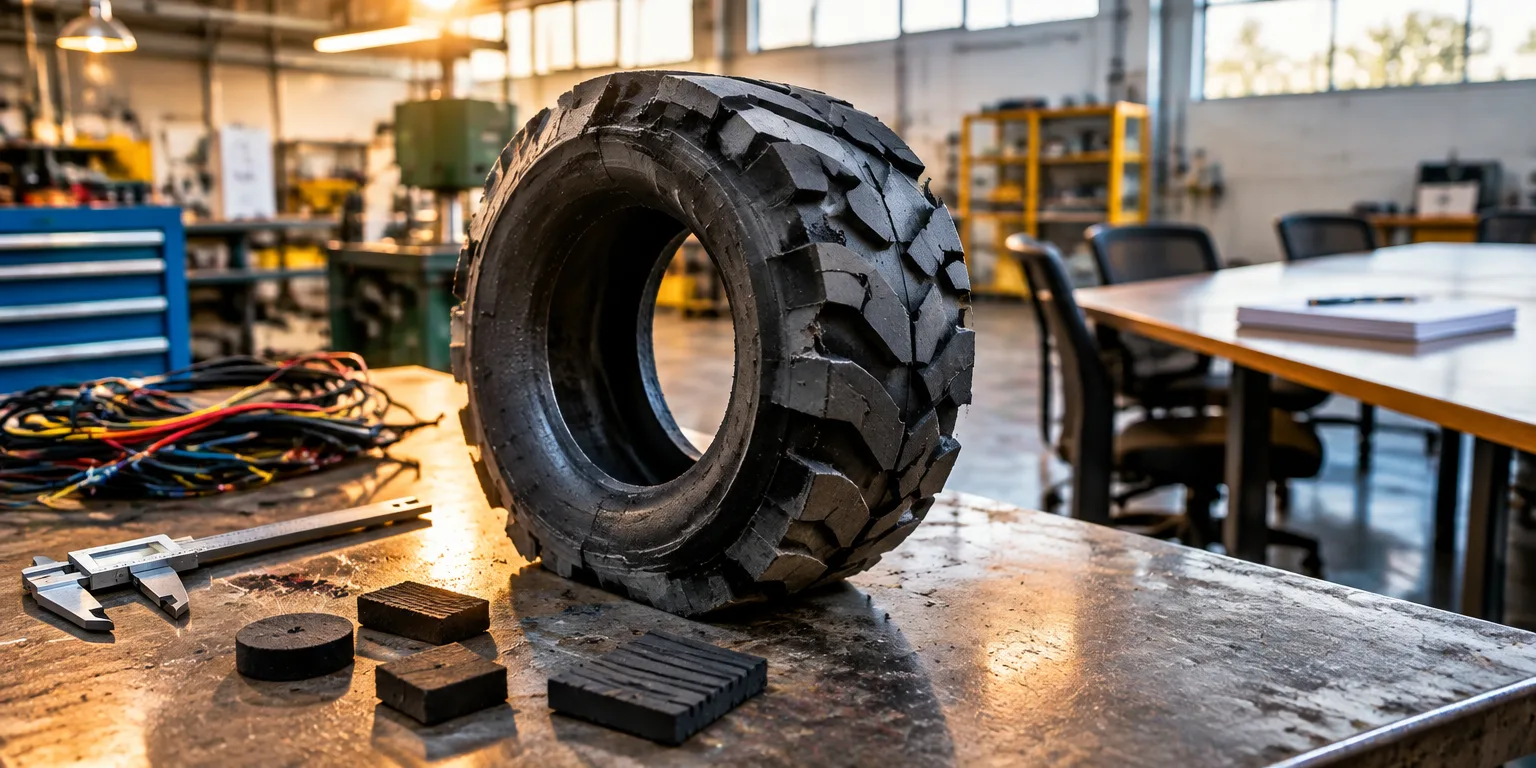
One Chinese supplier in the same tender came back with something else. It brought a physical prototype it had already built.
Andrea Casaluci, the chief executive of Pirelli, offers this tender as a lesson in industrial speed. Speed is a key competitive advantage, he says, even if it is not enough on its own.
He adds that the Chinese prototype was not perfect. It did not fully match the requested performance, and Pirelli still had a lot of development work to do.
Still, Casaluci says, the contrast in that one tender was hard to miss. Some European entrants spent two months preparing the administrative part, while one Chinese entrant tried to build the thing.
From that example, Casaluci generalizes about a cultural gap. In his view, Chinese firms tend to think lean and are more result driven, with an appetite for growth, good results and market share.
They also carry fewer legacies, he says, meaning fewer entrenched supplier relationships and less complex organization. That leaves them freer to move, in his account.
Another difference he points to is how decisions get made. In Europe, Pirelli must convince many people from many different functions around a table. In China, he says, a single manager can often approve a move and take responsibility for it.
Questions people ask
What is a nondisclosure agreement, and why would it take so long?
A nondisclosure agreement is a legal contract that bars each side from sharing confidential information. Large companies often route it through legal, procurement, and compliance teams, and each edit can require another round of approvals.
What does it mean for a supplier to have legacies?
Older companies often have long approved supplier lists, layered management, and separate functions that must all sign off. Newer companies can operate with smaller teams and shorter approval chains, so one manager can say yes and accept the risk.
Does moving faster mean the product is better?
No. Casaluci says speed matters, but the Chinese prototype in his story still needed substantial development work. Speed gets a physical idea into testing sooner, while safety, durability, and performance still have to be proven.