Why Electric Cars Need Stronger, Grippier, and Quieter Tires
Pirelli says computer modeling and AI let it test tread designs virtually before building a prototype.
 In Good Company with Nicolai Tangen · Pirelli CEO: Formula One, Smart Tyres and Europe’s Car Industry
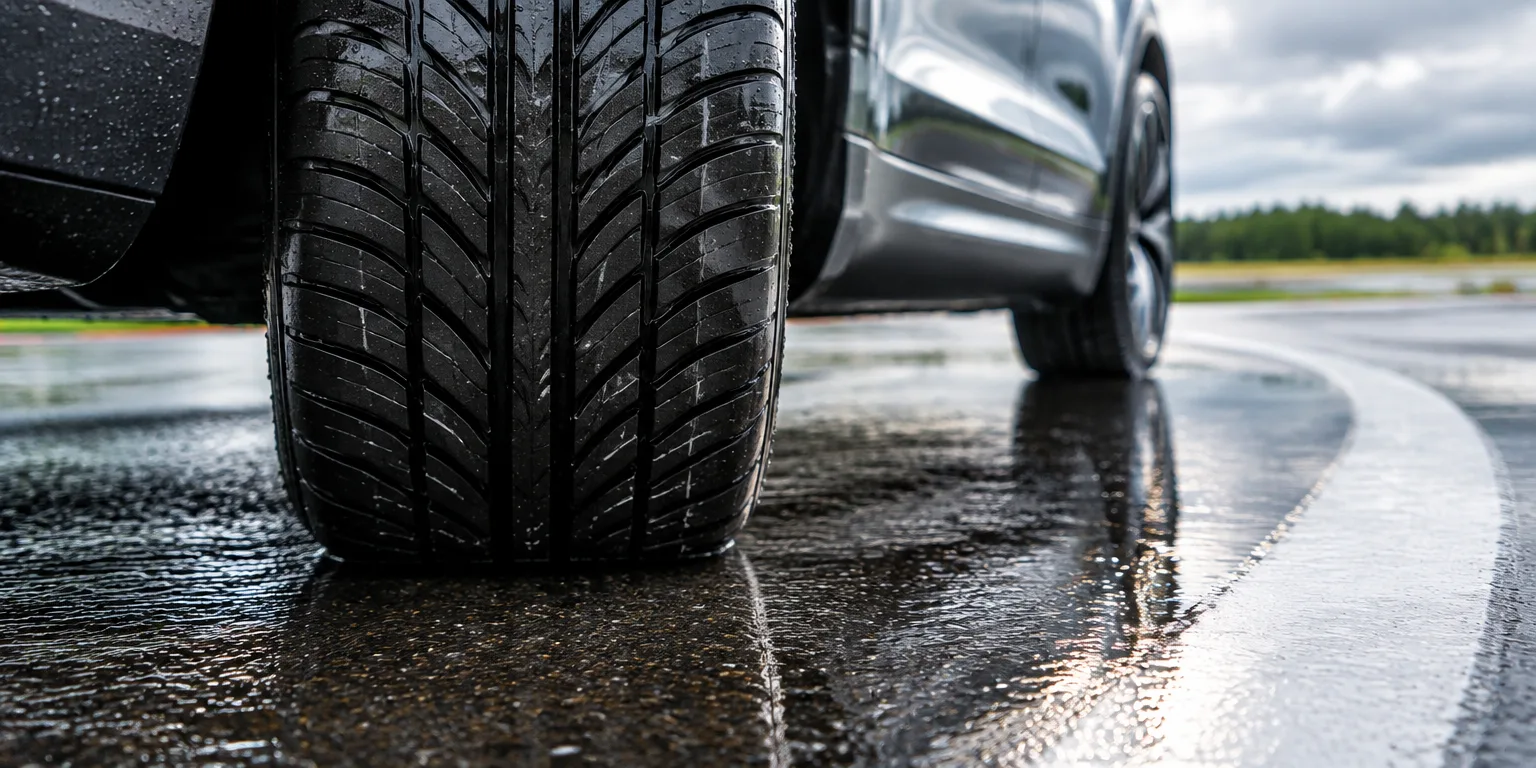
A tire is the only part of a car that touches the road, so all of a vehicle's performance runs through the tires.
That is how Andrea Casaluci, chief executive of Italian tire maker Pirelli, explains it. Safety comes first, meaning short braking distances in all weather, followed by handling, responsiveness, and driving pleasure.
The more high performance the car, the more those qualities depend on the tire, he says. Electric cars raise the demand in three ways.
The first is weight. An electric vehicle is heavier because of its battery, so the tire needs a higher load index, a rating for carrying more weight.
The second is torque, the twisting power sent to the wheels. An electric motor has strong torque, Casaluci says, and so the tire needs better grip.
The third is quiet. With no noise coming from the engine, comfort is closely tied to the capability of the tire to reduce its noise.
To design the tread pattern, Pirelli now uses modeling and artificial intelligence to simulate how a tire will behave against targets set by carmakers.
Only when the virtual design matches those requirements does the company build a physical prototype, Casaluci says. He says the approach is helping cut time to market by 30 percent and become more effective in matching carmaker targets.
Questions people ask
Do tires on electric cars wear out faster?
Yes, in many cases they do, because extra weight and instant torque increase friction and heat. That is why tires rated for electrics often use tougher compounds and reinforced structures, though driving style and road conditions matter a lot too.
Can I put regular tires on an electric car?
You can physically fit them, but experts generally advise against it. A standard tire may not be rated for the extra load, may provide less grip under strong torque, and may sound louder inside a quiet electric cabin.
What does the tread pattern actually do?
They are the channels cut into the rubber that move water away, affect grip, and shape noise. Engineers adjust their width, depth, angle, and arrangement to balance wet braking, handling, rolling efficiency, and sound.