The Agent 15 Feet Behind Kennedy Stayed Silent for 60 Years
He says trauma kept him silent for decades, and the Warren Commission never interviewed him.
 Who Killed JFK? · The Secret Service Agent Who Witnessed it All [BONUS]
Paul Landis was probably 15 feet behind President John F. Kennedy when the fatal shot hit, and no more than 20 feet away. He watched Kennedy's head split open as blood and tissue sprayed upward, and he ducked to avoid being hit.
Landis was 28, a Secret Service agent, the federal officers who guard the president, riding on the back-right step on the outside of the follow-up car directly behind the limousine in Dallas. He would hold what he saw and did that day inside for 60 years, until age 88, and he says the panel charged with investigating the assassination never asked him about it.
The motorcade had just made the turn and the limousine and the car behind it were lining up behind each other when Landis heard the first shot. He looked at Kennedy, who was leaning a little to his left and raising his arms.
Landis thought at first that Kennedy was only reacting to the noise and turning to see where it came from. He did not realize the president had been hit.
Landis turned to look over his right shoulder, scanned across what became known as the grassy knoll and toward the overpass ahead, and saw nothing. When he looked back toward Kennedy, he heard the second shot and then, close behind it, the third.
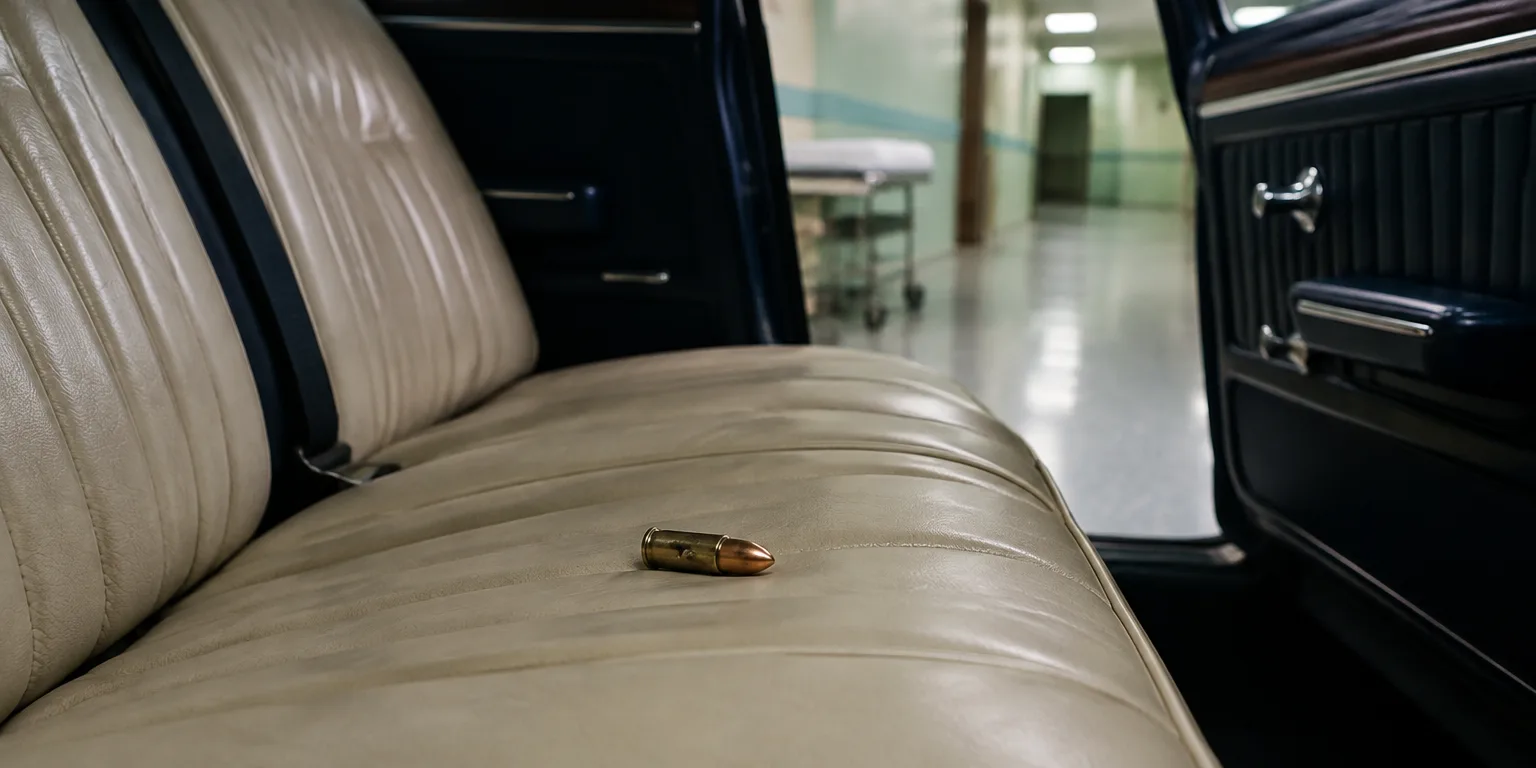
At Parkland Memorial Hospital, Landis ran to the limousine and tried to help Jacqueline Kennedy, who at first wanted to stay with her husband. After fellow agent Clint Hill covered Kennedy's head with his coat and she stood up, Landis saw a largely intact bullet resting on the seat where she had been sitting.
He picked it up, saw marks showing it had been fired, and, fearing it would be lost as people crowded the car, slipped it into his pocket. Inside Trauma Room 1, pressed against the examination table near Kennedy's feet, he set it down beside Kennedy's feet so doctors would find it in the examination.
That detail matters because the official finding that one gunman acted alone depends on the idea that a single bullet passed through both Kennedy and Texas Governor John Connally, who was also wounded. Landis later saw a photograph of a bullet entered into evidence and said he recognized it as the one he had moved.
He said the account that it had been found on Connally's stretcher was not true. The bullet, he said, was the one he had left beside the president.
Landis said he suffered post-traumatic stress for quite a while and felt he could no longer remain in the Service because he was suffering too much. He said the image of the president's head exploding stayed with him, and although people asked about Dallas, he just never talked about it.
Once the Warren Commission, the panel appointed to investigate the assassination, was created, he assumed he would be called for an interview. He said he dreaded it because he knew he would break down, which did not seem like a good image for an agent, and he was relieved when it never happened.
Asked whether the commission had questioned or interviewed him, he answered no. He added that none of the other agents who had been in the follow-up car were called either.
Questions people ask
What was the Warren Commission?
It was the presidential commission created in late 1963 and led by Chief Justice Earl Warren to investigate Kennedy's assassination. It concluded in 1964 that Lee Harvey Oswald acted alone, a finding that has been debated ever since.
What was the follow-up car?
It was the Secret Service vehicle that drove directly behind Kennedy's limousine, carrying agents on outside steps so they could watch the crowd and reach the president quickly. Landis called it halfback and rode on an outside step at the back.
Why might trauma keep someone from talking about what they saw?
It is a lasting stress reaction after a terrifying event, and it can include intrusive memories, avoidance of reminders, and distress when recalling what happened. Avoidance is common, and some people find it very hard to talk about the event for years.