I Owned Luxury Watches to Look Impressive to Others
Time away from routine shows what habits cost, and peace, he says, is uncovered by subtracting, not adding.
 The Minimalists · 561 | Good at Life
Putting distance between yourself and your daily routine shows what your habits are actually costing you. That is the idea from Joshua Fields Millburn, a writer who advocates owning less.
The distance can come from something like a work exchange stay, where a traveler helps a host in return for lodging, or a gap year.
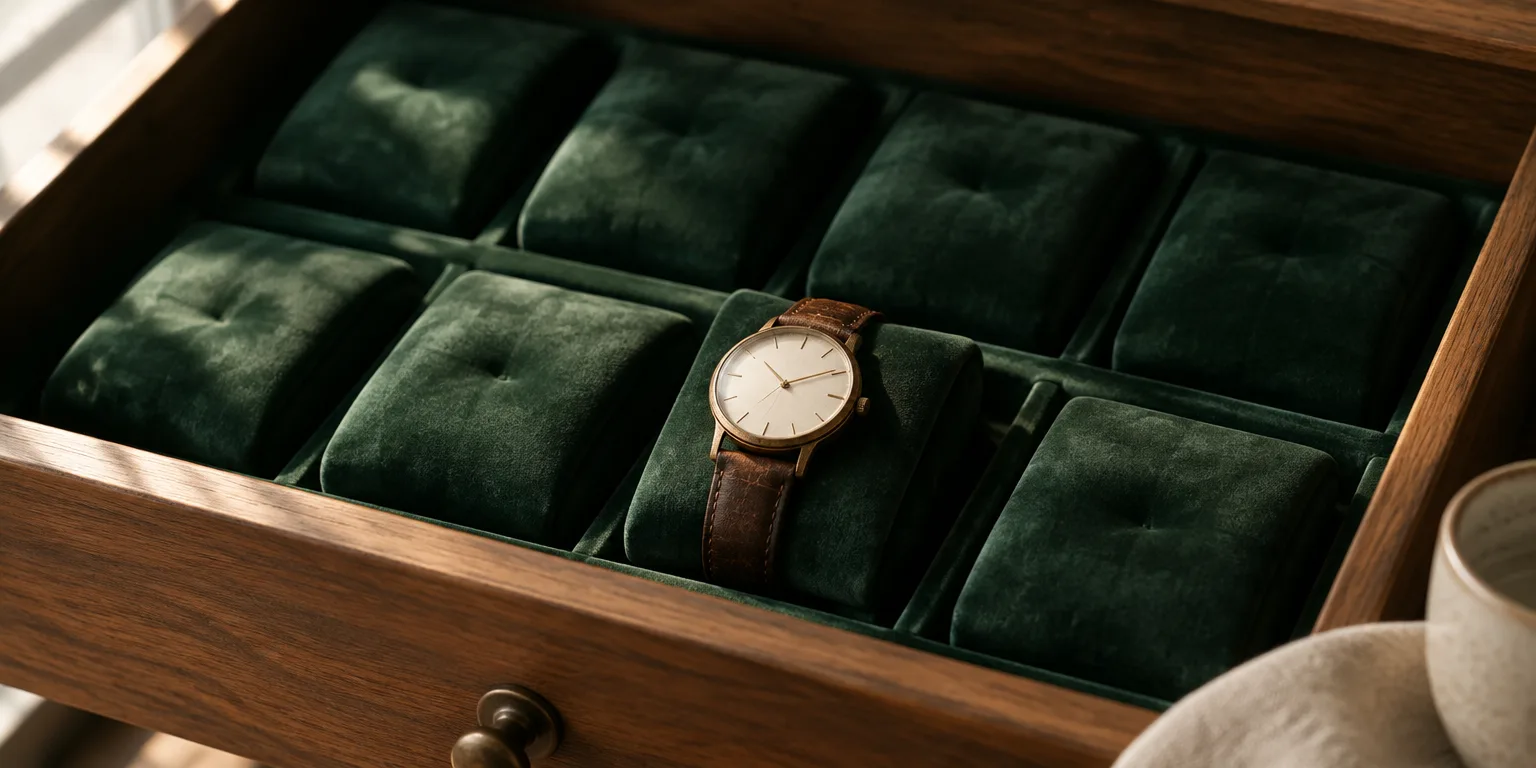
Millburn's example comes from his corporate years, when he owned several luxury watches. Millburn said "not that I think anything's wrong with owning a nice watch," because they can be beautiful, but his reason for owning several was "the societal or social pressure to be impressive and to look impressive to other people."
He did not feel he truly wanted them himself. He called the urge mimetic desire, meaning wanting something because other people want it and admire it, not from an independent desire of his own.
He quoted a saying he called Siegel's Law: "a man with one watch knows what time it is, but a man with two watches is never sure." His punchline on those years was, "I had several expensive time pieces, but no time piece," meaning he owned objects that mark time but felt he lacked a sense of direction or purpose.
What he thought he wanted then was achievement, and more and more of it, at least what he thought he wanted through those copied wants. He suggests that what he really wanted may have been peace, which cannot be measured the way achievement can: "I don't have a measuring stick, a yardstick for peace, but you know it when you experience it."
Peace, in his account, is usually uncovered by removing things rather than acquired by adding more.
Questions people ask
What does mimetic desire mean?
It is the idea that people often want things because other people want them, not because they chose them independently. Millburn uses the term to describe buying watches to impress others.
What is the saying about a man with two watches?
It is a humorous observation that one watch gives a clear time, while two watches that disagree create uncertainty. Millburn uses it to describe owning several luxury watches without a sense of direction. The point is that more possessions can bring less clarity.