Automation Gains Go to Older Investors While Young Drivers Fear for Jobs
Investor D.A. Wallach says one generation collects the stock gains while another works the jobs that robots could erase.
 This Week in Startups · Why a Do-Nothing Congress could be great for markets | E2359
Podcaster and investor Jason Calacanis, who said he has backed many self-driving efforts, including an early stake in Uber, worried that opposition to self-driving taxis could spread. He said self-driving saves lives, but he does not think supporters can win the argument that it offers some great benefit for employment.
Investor D.A. Wallach answered with a larger divide. “The intergenerational war is the true winter that is coming,” he said.
Wallach argues that the benefits and the risks of automation fall on different generations. Older people, in his account, own the shares that rise when companies such as Uber, Tesla, and SpaceX automate work and build data centers.
“Those old people are not driving Uber,” Wallach said. “Those old people are chilling in Boca Raton and checking their Schwab account every day,” feeling good about how markets are going.
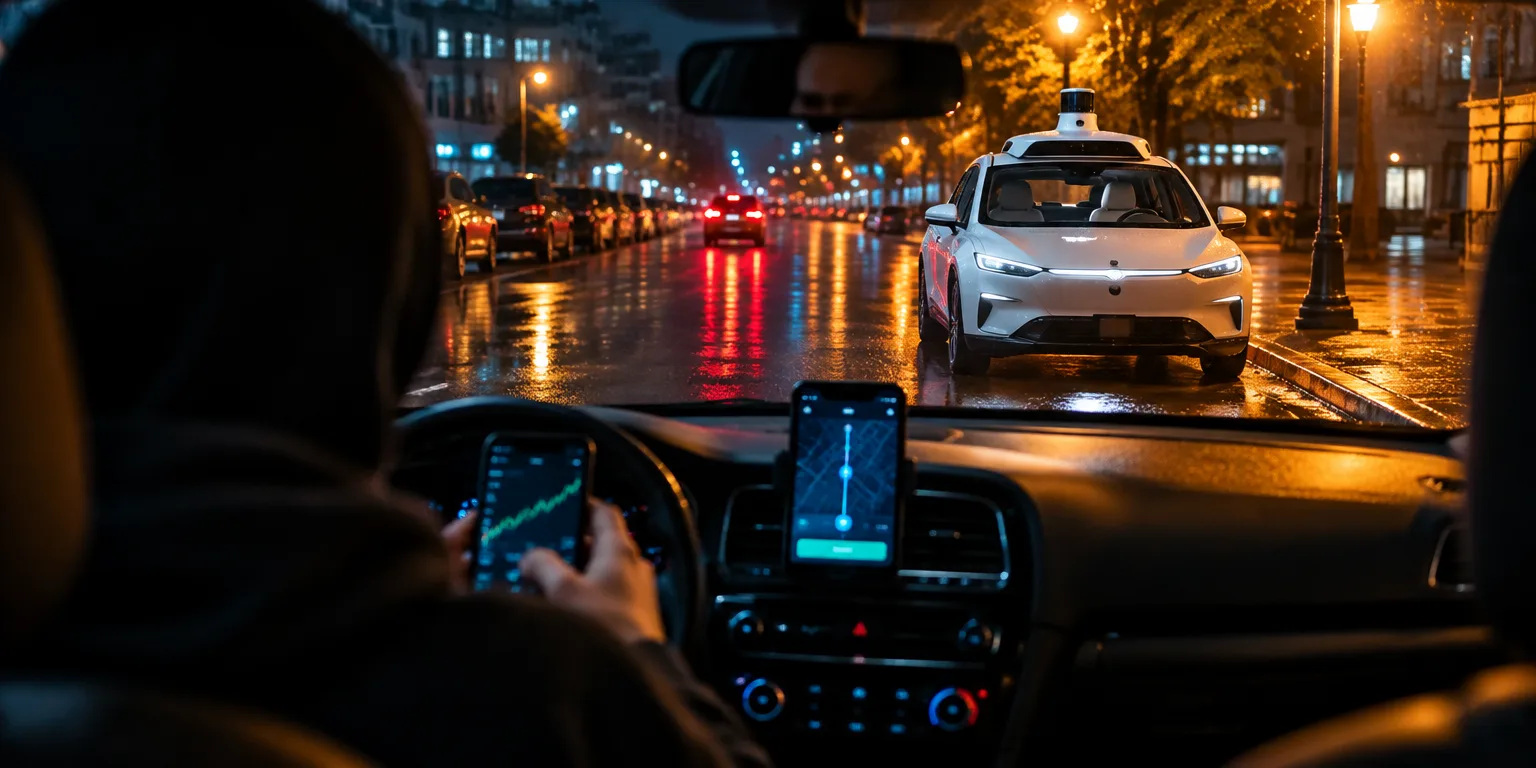
A 22-year-old Uber driver sees the other side, Wallach said. That driver worries the job could disappear, cannot afford a house, feels everything has gotten more expensive, and faces a future in which the Social Security trust fund is projected to become insolvent in 2032.
Wallach illustrated the bind with what he called the Robinhood bros. They drive for Uber or deliver food at night, he said, then trade Uber and Tesla stock on Robinhood, betting as small investors on the same automation that could erase their work.
In Wallach’s view, driving should not be preserved for its own sake. “As soon as you can have a robot drive a car perfectly well, it’s sort of a waste of time for a person to do that,” he said, adding that people should do work worthy of their “precious life.”
But that change only works, he argues, if the displaced driver gets a better job. Without it, Wallach said, young voters conclude that no one cares about their future, no matter who they voted for before, leaving politicians struggling to satisfy either side.
Questions people ask
Do older people really own most stocks?
Older households hold a much larger share of stocks than younger households, largely through retirement accounts built over decades. That means rising automation stocks tend to increase the wealth of older investors first, while younger workers are more exposed to changes in the job market.
What does the 2032 Social Security date mean?
The trust fund's reserves are projected to be depleted around the early 2030s, after which payroll taxes would cover only about three-quarters of promised benefits unless Congress acts. For workers in their 20s, that raises doubts about what retirement support will remain when they stop working.
How soon could robots actually replace Uber drivers?
Driverless ride services already operate in several U.S. cities, but they remain limited by geography, regulation, cost, and public acceptance. Full replacement of human ride-hailing drivers would likely be gradual, with mixed human and automated service in many places for years.