Thick Yogurt Is Not the Same as Creamy Yogurt
Thickness is about water removed, creaminess is about fat kept.
 The Sporkful · The Great Yogurt Feud (Live)
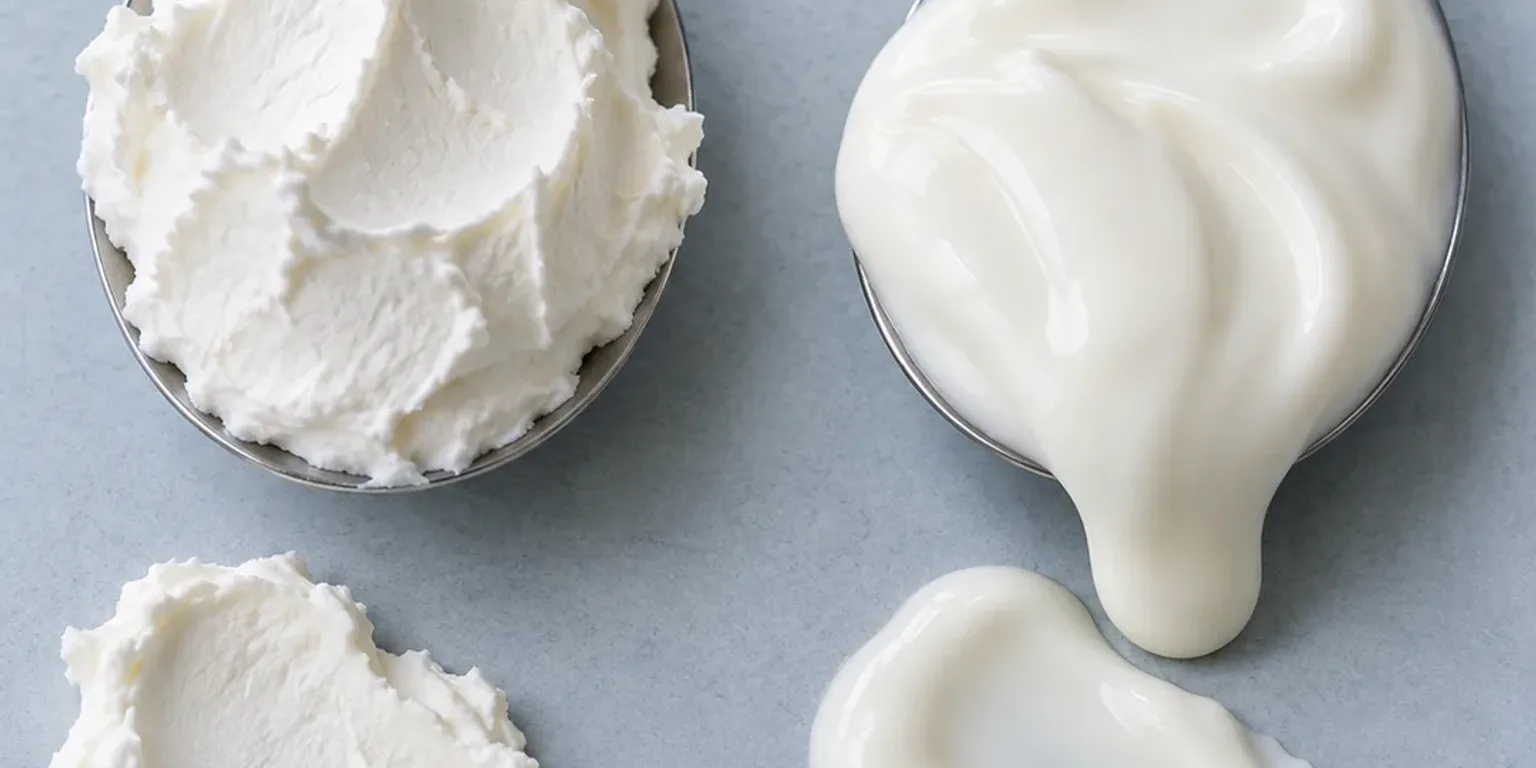
A spoonful of yogurt can stand up tall without tasting rich at all. That is because thickness and creaminess are two different jobs, controlled by two different parts of the milk.
All plain yogurt starts the same way. Two kinds of bacteria ferment the milk, eating milk sugar and releasing lactic acid. The acid gives yogurt its sour taste and makes milk proteins clump into a soft gel. With live cultures, the basic recipe is warm milk plus time, left to ferment overnight and up to a day.
Thickness is about water. Atanas Valev, a Bulgarian immigrant who makes Tremona yogurt in America, explains that straining removes the liquid part of the whey to make yogurt denser. Reporter Eliza Rothstein adds the spoon test: “thick yogurt will hold its shape on a spoon.”
Creaminess is about fat, as Dan Pashman, host of The Sporkful podcast, puts it. It means a smooth, silky feeling in the mouth, not a firm set. Rothstein describes Bulgarian yogurt as “super sour, super tangy, and very tart,” but also light bodied and refreshing.
He says the Bulgarian yogurt Valev makes “is creamy, but not thick.” It is “very delicate and a little wobbly,” “sort of between a solid and a liquid.”
Greek yogurt shows the reverse. Rothstein says it “is thick, but not necessarily creamy,” with a dense, paste-like texture. Made with skim milk, it stays thick from straining but not creamy, because the fat is gone.
So a yogurt can feel silky without standing up, and it can stand up without feeling silky. For shoppers, the clues are different, fat for creaminess and strained for thickness.
Questions people ask
Does Greek yogurt have more protein than Bulgarian yogurt?
Yes. Because it is strained, Greek yogurt is more concentrated, so it can have two, maybe three times as much protein per serving as Bulgarian yogurt. Straining removes watery whey, leaving more solids per spoonful.
Can I make yogurt at home without special equipment?
Yes, if you have live starter culture. You stir the culture into warm milk and keep it warm for several hours to overnight while the bacteria make lactic acid. You will get a wobbly, sour yogurt, and you can strain it through cheesecloth if you want it thicker.