Used Cooking Oil Can Become Jet Fuel With Hydrogen
As of May 2024, only the hydrogen-treated fuel among oil-based routes was approved to be blended with regular jet fuel.
 doi.org · Technological Processes in the Production of Sustainable Aviation Fuels
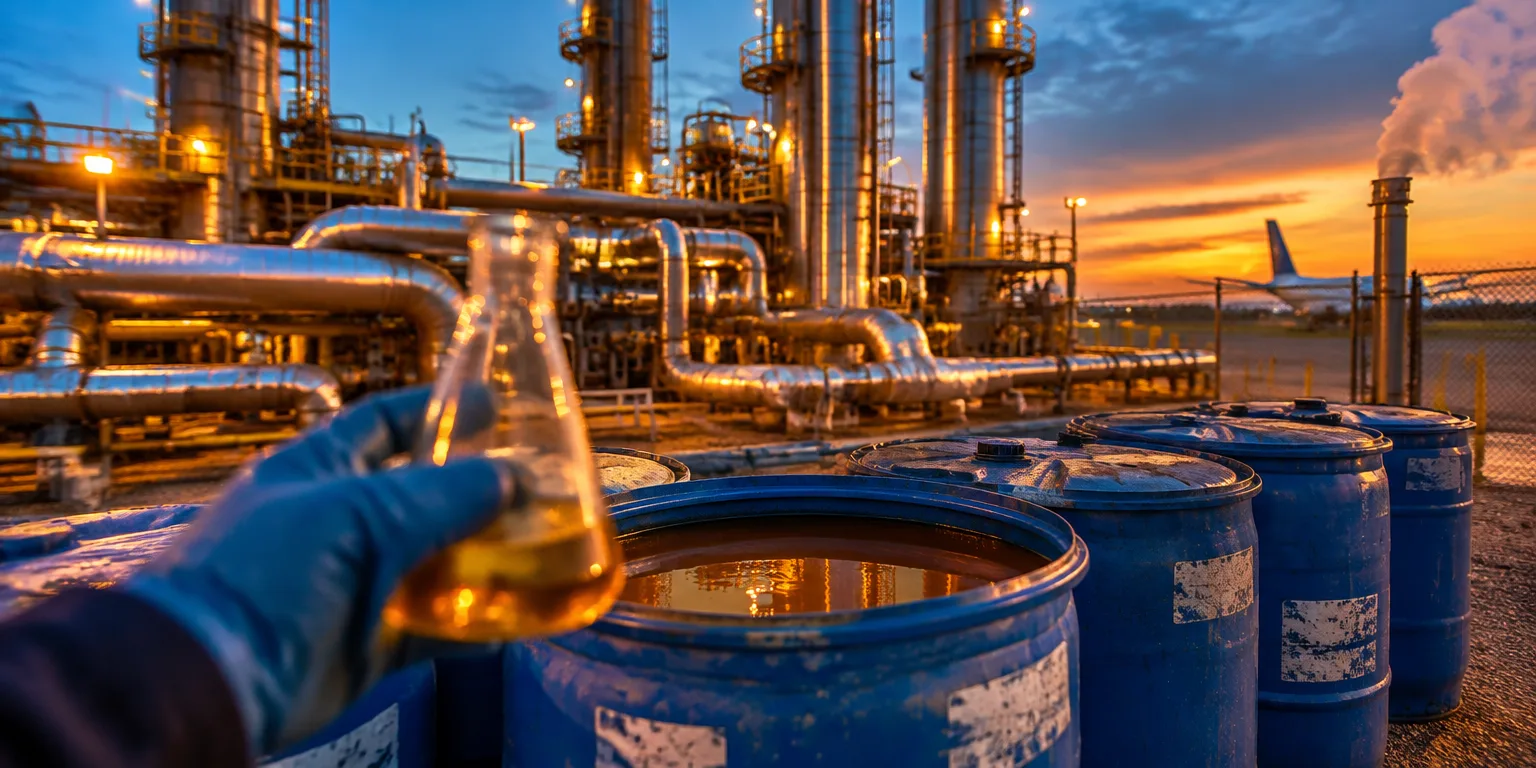
The fat left over from cooking oil and slaughterhouses can be turned into jet fuel, mostly by adding hydrogen.
The route is called HEFA, short for hydrotreated esters and fatty acids. It starts with plant oils, animal fats, and leftover cooking oil.
Those materials consist largely of triglycerides, the main molecules in oils and fats, along with free fatty acids. Vegetable oils contain a mix of saturated and unsaturated fatty acids.
First, the unsaturated molecules are saturated through catalytic hydrogenation, meaning hydrogen is added with the help of a catalyst.
Next, each triglyceride is broken apart with water in a step called hydrolysis. That yields glycerol plus three higher fatty acids.
The free fatty acids then go through decarboxylation, which removes oxygen-rich parts, followed by hydrocracking and hydroisomerization.
Those final hydrogen-based steps break long chains down to jet-sized pieces and reshape them into fuel. The result is a synthetic paraffinic kerosene that can be refined for jets.
HEFA is one of three oil-to-jet approaches, alongside catalytic hydrothermolysis and upgraded fast pyrolysis of cellulose. As of May 2024, only HEFA had met the specification required for blending with conventional jet fuel.
Questions people ask
Why can't a plane just burn used cooking oil?
No. Raw oil and fat contain oxygen, water, contaminants, and molecules that are too long and freeze too easily at altitude. Hydrogen treatment removes the oxygen, cleans up the chemistry, and reshapes the chains into the narrow range jets require.
What does the hydrogen actually do?
Hydrogen saturates the unstable parts of the fat molecules and later helps cut long chains into shorter, jet-sized hydrocarbons. It also helps strip away oxygen.
Is this fuel already allowed in airliners?
As of May 2024, yes, in blends with petroleum jet fuel once it met the applicable fuel specification. At that time HEFA was the oil-to-jet pathway cleared for blending, while the other oil-based routes were not; check current approval status for today.