Why The Law Lets Vulnerable Adults Refuse Help
Even as Jay Hickey grew thin and confused, police and caseworkers could mostly offer help, not order it.
 Bear Brook · A Private Matter, Episode 2
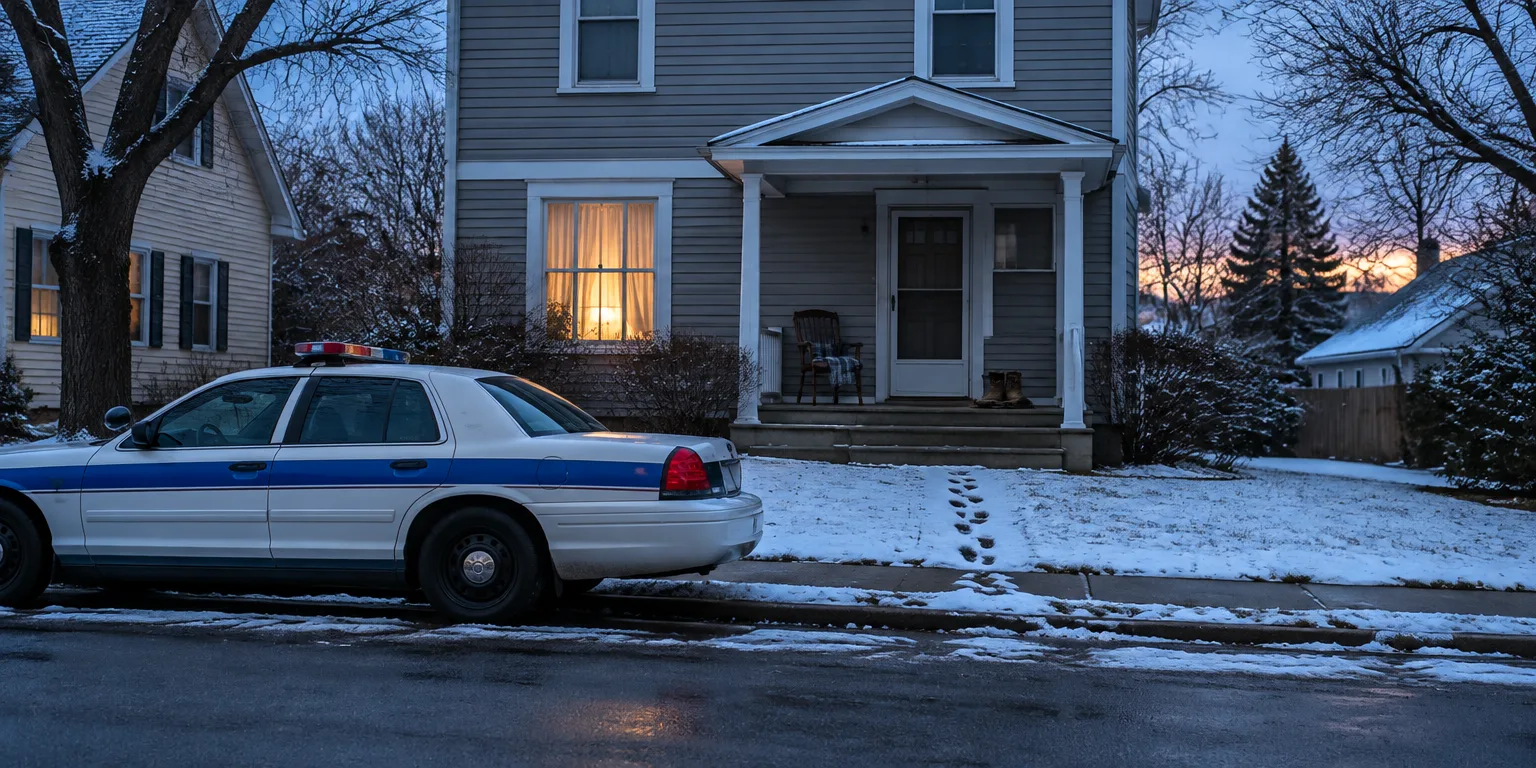
Police in Epsom, New Hampshire, had seen Jay Hickey wandering and confused, and found him thinner and less lucid each time. In February 2024 his daughter reported him missing, while his wife said he was visiting a brother in Florida.
Epsom police lieutenant James Keir said he had responded to a small number of emergency calls concerning Jay after people found him wandering. Keir recalled Jay as very thin, with fading body fat, and said: "It almost seemed like he didn't know who he was or where he was anymore."
Concern went beyond police. Andrea Novotny, who worked with Jay's wife Patty Hickey for the town, said Patty told her she had "gotten him off of all of his medication and was treating his various ailments by diet alone." Novotny also worried about wandering, a common and dangerous phase of dementia when even a short time alone can turn serious.
Someone contacted New Hampshire's Adult Protective Services. A caseworker saw Jay and Patty in March 2023 and finished its review that month. The detailed report is confidential, but the agency said cases like this are often not simple because adults can decline the help they are offered.
The principle is sometimes called the dignity of risk. It means the law preserves an adult's right to make his own choices, even bad ones. That is different from child neglect cases, where the state can impose what it believes is best for the child.
As a final option, the agency may seek guardianship, which would let someone else make decisions for the person. The legal bar is high. The agency closed Jay's case after its March 2023 visit, but its confidential report leaves the reason unclear. Wandering alone does not prove neglect, since even diligent caregivers sometimes lose a person with dementia who slips out.
In most such cases, all a caseworker can do is suggest resources, guidance, and support options. Jay might have qualified, through income and veteran status, for Medicaid or Department of Veterans Affairs programs that cover in-home caregivers. Patty never pursued them, saying Jay did not want visitors in the house or a nursing home, although she had spent about 30 years as Epsom's welfare administrator connecting other people to aid.
Officers could check, colleagues could worry, and the state could offer, but no one could compel care for an adult who, in the eyes of the law, still had the right to say no.
Questions people ask
What does Adult Protective Services actually do?
Adult Protective Services agencies investigate reports of abuse, neglect, or exploitation of older or disabled adults. They typically interview the adult and caregiver, assess safety, and offer voluntary services. They cannot remove an adult or impose care without a court order.
Why is guardianship so hard to get?
Guardianship, sometimes called conservatorship, is a court order giving one person authority to make health, housing, or financial decisions for another. Courts grant it only after clear evidence that the person cannot make safe decisions and that less restrictive help will not work. The high standard is meant to protect civil liberties.
What can a family do if a parent with dementia refuses help?
Families can request another welfare check, contact Adult Protective Services again if conditions worsen, and document specific risks such as wandering, weight loss, or missed medication. A doctor's evaluation, an elder-law attorney, and VA or Medicaid home-care programs can also help. None guarantees intervention if the adult still has decision-making rights.