
- Practice that mixes one to two focused 60 to 90 minute sessions with many shorter 20 to 30 minute chunks works because deep learning needs bounded periods of concentrated attention and repeating shorter bursts prevents cognitive fatigue while enabling multiple plasticity episodes.@science· The Brain
Practice that mixes one to two focused 60 to 90 minute sessions with many shorter 20 to 30 minute chunks works because deep learning needs bounded periods of concentrated attention and repeating shorter bursts prevents cognitive fatigue while enabling multiple plasticity episodes.
- Resistance training supports white matter health because it raises circulating IGF-1, a growth factor that promotes myelination and helps preserve the integrity of executive function networks.@science· The Brain
Resistance training supports white matter health because it raises circulating IGF-1, a growth factor that promotes myelination and helps preserve the integrity of executive function networks.
- Training that boosts processing speed reduces long term dementia risk because forcing faster visual and auditory processing strengthens cortical networks vulnerable in dementia, and periodic booster sessions help sustain those protective gains.@science· The Brain
Training that boosts processing speed reduces long term dementia risk because forcing faster visual and auditory processing strengthens cortical networks vulnerable in dementia, and periodic booster sessions help sustain those protective gains.
- Vaccination against viruses such as shingles could lower dementia risk because preventing viral reactivations and shifting immune responses may reduce chronic neural inflammation that contributes to neurodegeneration, though current evidence is observational and does not prove causality.@science· The Brain
Vaccination against viruses such as shingles could lower dementia risk because preventing viral reactivations and shifting immune responses may reduce chronic neural inflammation that contributes to neurodegeneration, though current evidence is observational and does not prove causality.
- Avoiding major illnesses and hospitalizations lowers long term dementia risk because acute medical events produce inflammatory, metabolic, and stimulation losses that cause stepwise cognitive drops and erode cognitive reserve.@science· The Brain
Avoiding major illnesses and hospitalizations lowers long term dementia risk because acute medical events produce inflammatory, metabolic, and stimulation losses that cause stepwise cognitive drops and erode cognitive reserve.
- Having a phone nearby reduces thinking performance because cues tied to notifications condition the brain to monitor for interruptions, which steals attention and cognitive flexibility even if the device is off or tucked away.@science· The Brain
Having a phone nearby reduces thinking performance because cues tied to notifications condition the brain to monitor for interruptions, which steals attention and cognitive flexibility even if the device is off or tucked away.
- Testing biomarkers like vitamin D, iron, omega-3 index, homocysteine, and B12/folate and correcting deficiencies is a smarter cognitive health strategy because targeted supplementation fixes biochemical deficits that directly affect brain function, whereas blanket high dose supplements often add no benefit when levels are already adequate.@science· The Brain
Testing biomarkers like vitamin D, iron, omega-3 index, homocysteine, and B12/folate and correcting deficiencies is a smarter cognitive health strategy because targeted supplementation fixes biochemical deficits that directly affect brain function, whereas blanket high dose supplements often add no benefit when levels are already adequate.
- B vitamin supplementation slows cognitive decline only when omega-3 status is adequate because methylation pathways and structural lipid availability are interdependent, so fixing one pathway without sufficient substrate in the other can leave brain maintenance pathways blocked.@science· The Brain
B vitamin supplementation slows cognitive decline only when omega-3 status is adequate because methylation pathways and structural lipid availability are interdependent, so fixing one pathway without sufficient substrate in the other can leave brain maintenance pathways blocked.
- Very high volume or extreme training impairs immediate cognitive function because exhaustive exercise depletes energy reserves and pushes stress hormones to maladaptive levels that disrupt neural processing and learning.@science· The Brain
Very high volume or extreme training impairs immediate cognitive function because exhaustive exercise depletes energy reserves and pushes stress hormones to maladaptive levels that disrupt neural processing and learning.
- A single 20 to 30 minute bout of moderate exercise boosts short term attention and memory because it raises norepinephrine, dopamine, and cortisol enough to shift the brain into an optimal arousal zone for processing and encoding information.@science· The Brain
A single 20 to 30 minute bout of moderate exercise boosts short term attention and memory because it raises norepinephrine, dopamine, and cortisol enough to shift the brain into an optimal arousal zone for processing and encoding information.
- Flow and clutch are distinct top performance modes because flow arises from well learned skills and feels effortless, while clutch comes from heightened arousal and deliberate effort yet can still produce peak results, so they demand different approaches to training and recovery.@science· The Brain
Flow and clutch are distinct top performance modes because flow arises from well learned skills and feels effortless, while clutch comes from heightened arousal and deliberate effort yet can still produce peak results, so they demand different approaches to training and recovery.
- Continuing familiar cognitive activities preserves existing skills because regular practice maintains the synapses for those functions, but deliberately learning new, challenging skills is necessary to build fresh connections and expand capacity as you age.@science· The Brain
Continuing familiar cognitive activities preserves existing skills because regular practice maintains the synapses for those functions, but deliberately learning new, challenging skills is necessary to build fresh connections and expand capacity as you age.
More from Andrew Huberman
 Movement Practice to Strengthen Your Mind-Body Connection | Ido Portal22 insights
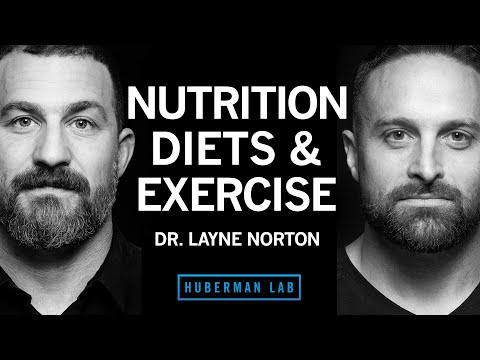 The Science of Eating for Health, Fat Loss & Lean Muscle | Dr. Layne Norton20 insights
 How Sugar & Processed Foods Impact Your Health | Dr. Robert Lustig19 insights
 Essentials: The Science of Eating for Health, Fat Loss & Lean Muscle | Dr. Layne Norton17 insights
Keep what you found in Accelerate Learning & Increase Cognitive Capacity | Dr. Tomm…
A free account saves any of these cards to your Collection, and Korva resurfaces them so you actually remember.