Korva is a scroll of the internet’s best ideas.
Camped in Ur without knowing
A Dangerous Road
Pietro Della Valle had already traveled through Asia and India when he set out across the Middle East with his wife, an Assyrian Christian woman, and local guides. The road was dangerous. The Ottoman and Persian states were at war over Baghdad, bandits took advantage of the chaos, and lions still roamed the hills.
Camp at the Ruins
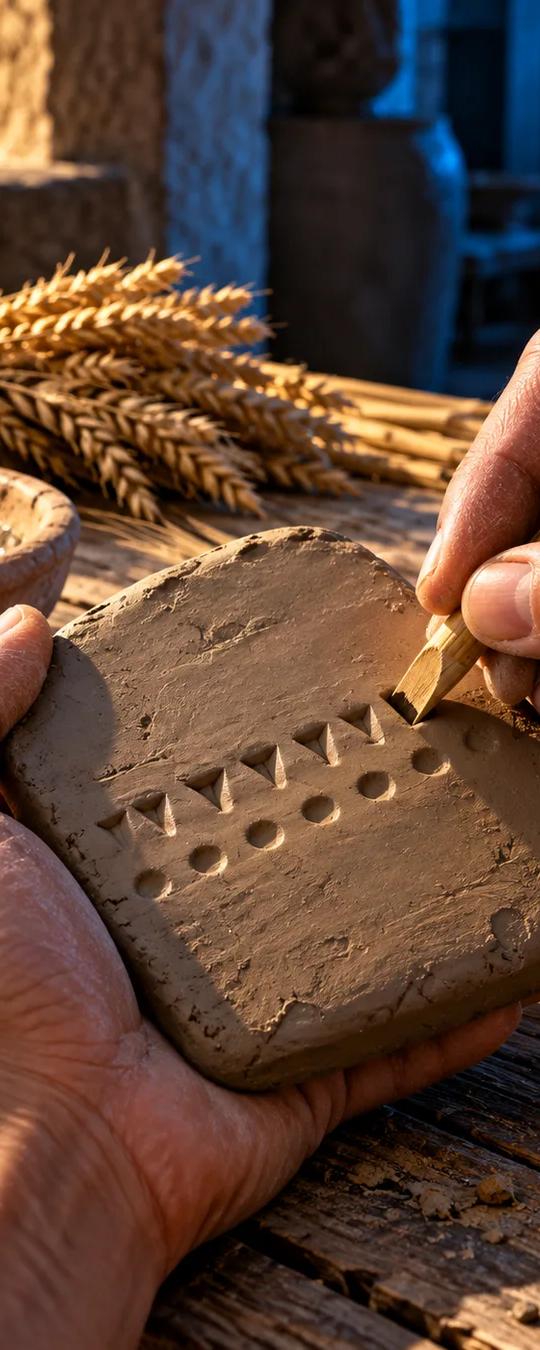
On June 18, the guides spotted a band of tribesmen in the distance and took a longer route, a mile out of the way, to camp beside ancient ruins at the foot of the hills. They stayed several nights while negotiating with the local governor for safe passage. At dawn, Della Valle walked among the colossal monuments. Many stones were set with tar, pitch, and asphalt instead of lime, and many were engraved with letters he could not read. He found pieces of black marble carved with the same signs, and two shapes over and over: one like a pyramid, the other an eight-pointed star.
Tablets in the Bag
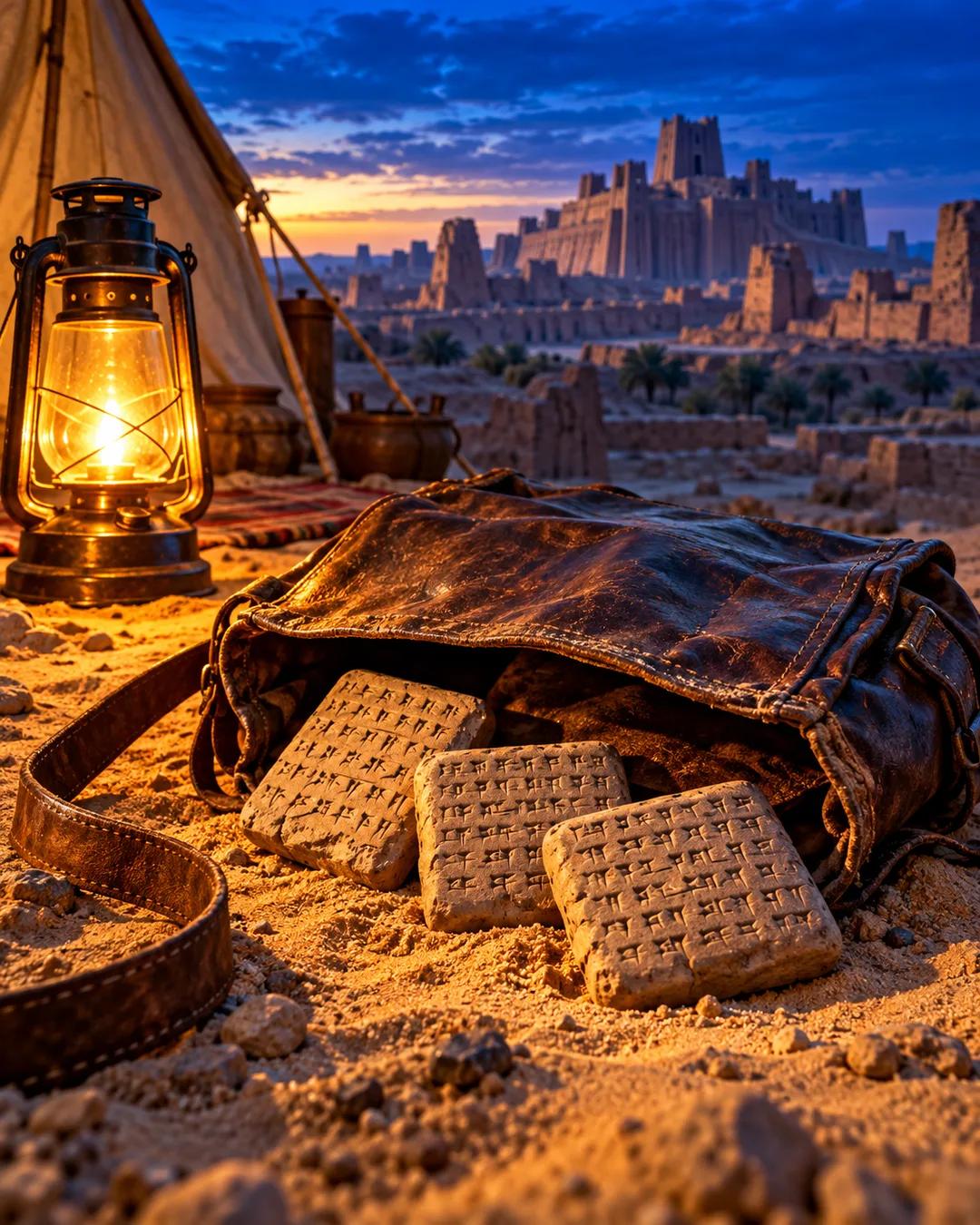
He never knew the ruins were Ur, the city at the center of Sumer, one of the earliest civilizations. The negotiations failed, and the party fled into the desert in the dark. In his bag were clay tablets from the ruins, among the first examples Europeans saw of a language that had been dead and forgotten for thousands of years. On the road home he held them and wondered who had built giant structures of brick and stone alone in the middle of the desert.
How was cuneiform finally deciphered?
Deciphering began with Old Persian, the simplest of the cuneiform scripts. In 1802 the German scholar Georg Grotefend identified royal names and titles in Persian inscriptions. Later Henry Rawlinson copied the trilingual Behistun inscription, which carries one text in Old Persian, Elamite, and Akkadian, and published his work in the 1840s. With the Old Persian as a key, scholars worked their way into the Akkadian version. The Behistun inscription is carved on a cliff face in western Iran.
How were Ur's ruins finally identified?
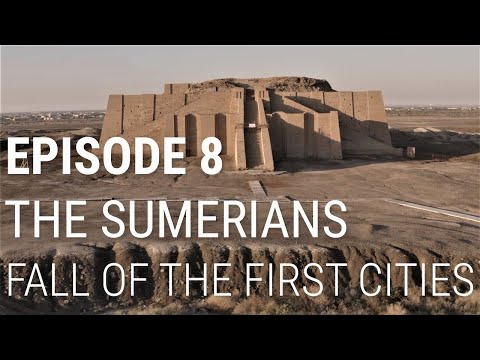
In 1854 the British consul J. E. Taylor dug at the mound of Tell al-Muqayyar in southern Iraq. He found baked-clay cylinders in the corners of the ziggurat walls, inscribed by King Nabonidus of Babylon, that named the city as Ur. Leonard Woolley later excavated the site from 1922 to 1934 and uncovered the royal tombs.
Why did builders use bitumen instead of lime?
Southern Iraq has almost no stone to burn into lime and little fuel to burn it with. Natural bitumen seeps up from the ground in parts of Iraq, and it makes a sticky mortar that is also waterproof. Builders in Mesopotamia used it for thousands of years. Seeps near the town of Hit on the Euphrates are among the best known.
More from Fall of Civilizations