Korva is a scroll of the internet’s best ideas.
Forty days on the throne
A Neglectful Dynasty
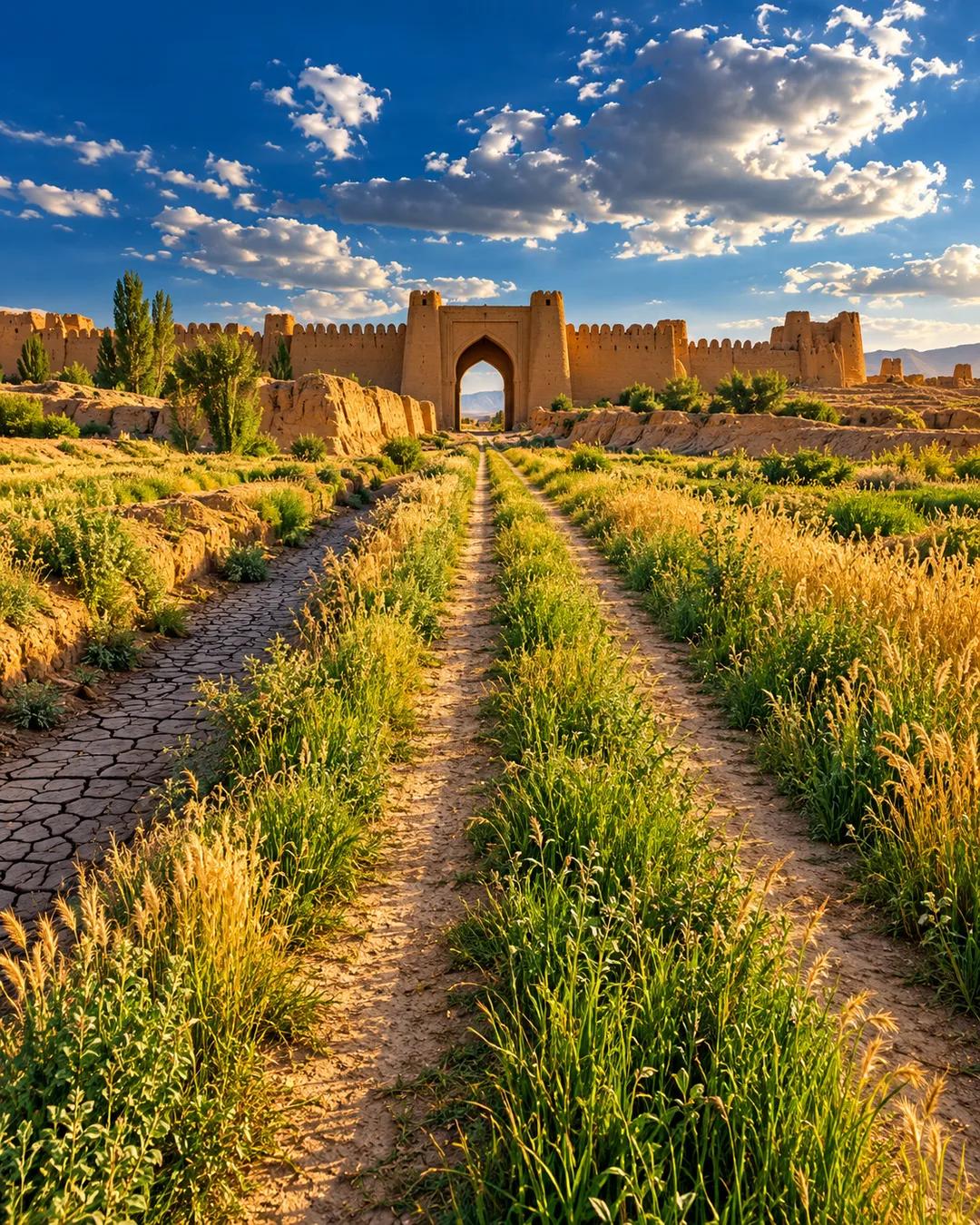
The Gutians had ruled southern Iraq for more than 150 years, and their kings paid little attention to the land's infrastructure. Tirigan went further. To punish rebellious cities, his forces cut off the water supply to the fields in Sumer and closed the roads in the highlands, and grass grew tall on the roads.
Utu-hengal's Campaign
Utu-hengal, the Sumerian ruler of Uruk, saw his moment in the first weeks of the new king's reign. Tirigan sent two generals, Ur-Ninazu and Nabi-Enlil, to lead his armies while he stayed home in his palace. On the way to battle, Utu-hengal stopped at the temple of Ishkur, the Sumerian god of thunderstorms, and offered a sacrifice. On the fourth day after leaving the temple he camped at Nagsu on the Surungal canal, where the generals of Tirigan were captured and bound at the hands.
Tirigan Captured
Tirigan fled north alone to the city of Dabrum, believing he was safe there. Utu-hengal's envoy arrested him in Dabrum with his wife and children, put restraints on his hands, and blindfolded him. For the first time since Sargon, a Sumerian king ruled the land of Sumer again.
Utu-hengal ruled only seven years. He died while inspecting a river dam when it burst and the flood swept him away, and some historians have asked whether his ambitious successor, Ur-Nammu, had a hand in it.
What does Utu-hengal's own inscription say?
A Sumerian royal inscription narrates his campaign against the Gutians. It presents the war as a divine mandate, with the god Enlil commissioning him and Inanna and the hero-king Gilgamesh helping along the way. Scribes copied it for centuries as a model text. It survives on tablets from the Old Babylonian period.
How did river dams work in Sumer?
Dams and embankments were built of earth and mud brick, and gates let water into the canals. The rivers flooded in spring, close to harvest time rather than when seed went into the ground. That timing made dams and levees necessary for holding water back and releasing it later. Royal inscriptions regularly boast of digging and repairing canals.
More from Fall of Civilizations