Korva is a scroll of the internet’s best ideas.
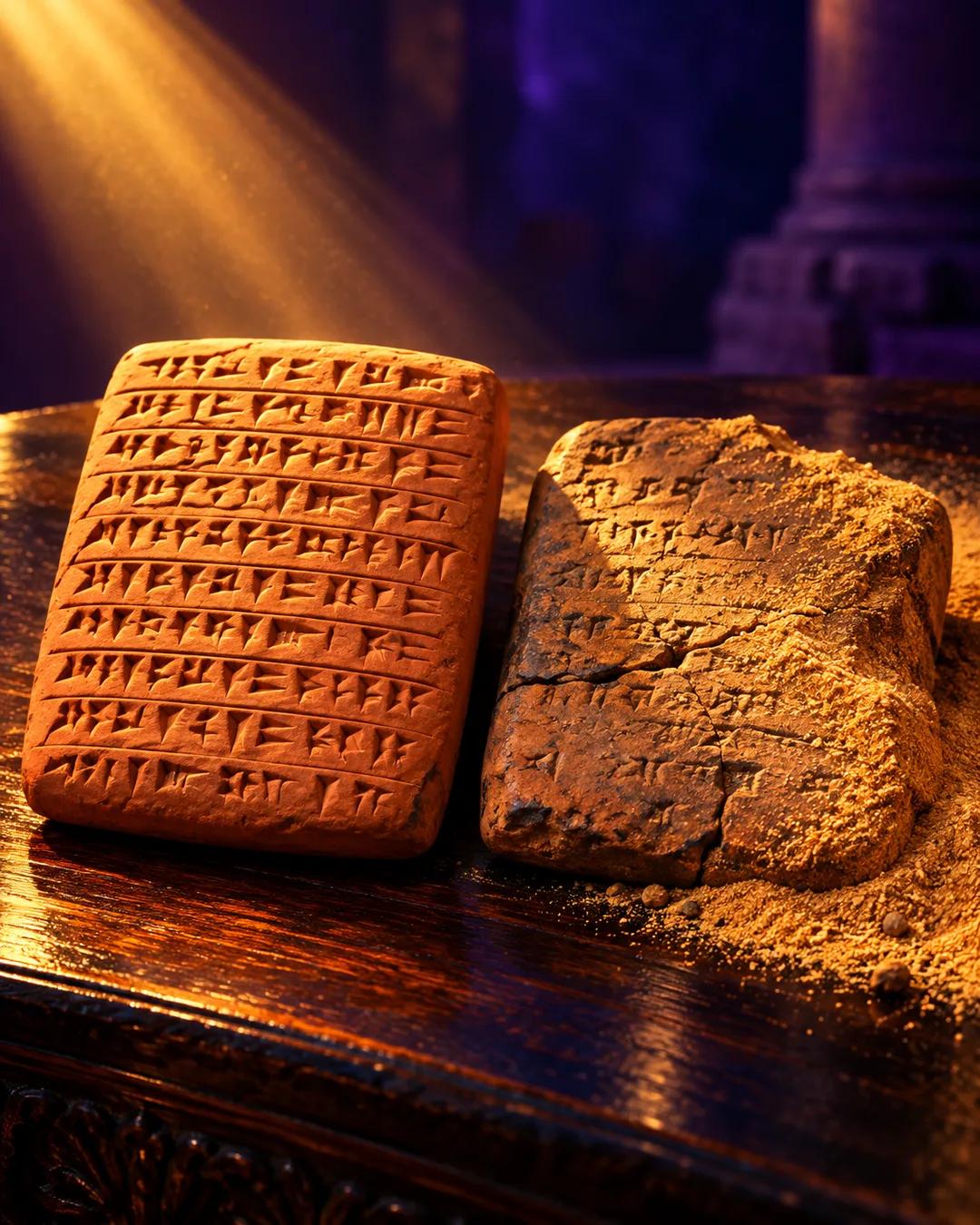
Sumerian had no relatives
A Language With No Kin
Sumerian is an isolated language with no relation to any language around it, and the first scholars to find its texts could not believe it was a real language and took it for a code. Akkadian, spoken in the north, belongs to the Semitic family, and the peoples of the surrounding lands spoke languages that were its cousins, with the same rules and shared sounds and words. For them, learning Akkadian was like an English speaker learning French or Spanish, and learning Sumerian would be like learning Korean.
Akkadian Takes Over
That made Akkadian the natural language of commerce, and under Sargon it also became the language of royal inscriptions. The people of Mesopotamia were bilingual for centuries, but fewer and fewer Sumerians kept the skill of speaking Akkadian well, and fewer Akkadians learned Sumerian. After Ur fell, Sumerian refugees who moved north learned the Akkadian of the northerners and left their own language behind in the ruins of their cities.
A Sacred Afterlife
Sumerian was now a dead language no one heard in the streets and markets, but it stayed in use in temples for at least another 2,000 years, the way Latin survived in the churches of Europe after the fall of Rome. For later peoples it became the language of the gods, of myth and magic.
How did scribes keep Sumerian alive?
Scribal schools in Babylonia kept copying Sumerian hymns, proverbs, and myths for well over a thousand years after the language stopped being spoken. They also compiled bilingual word lists with Sumerian on one side and Akkadian on the other. Modern scholars rely on those lists to read Sumerian. The last dated cuneiform tablet is an astronomical text from about AD 75.
How was Sumerian recognized as a real language?
In the mid-19th century, many scholars took the odd-looking non-Semitic texts for a secret code or a scribal invention. The Assyriologist Jules Oppert argued in the 1860s that they recorded a genuine language older than Akkadian. He proposed the name Sumerian in 1869.
More from Fall of Civilizations