Korva is a scroll of the internet’s best ideas.
The grain buyer crowned himself
The Martu Invasion
The Martu, shepherds from the mountains of Syria and Lebanon, were pushing into Sumerian farmland during a long drought and famine. King Shu-Sin had answered with a wall of roughly 300 kilometers between the Tigris and Euphrates, more than twice the length of Hadrian's Wall. In the fifth year of his son Ibbi-Sin's reign, the wall failed and the Martu poured in. By the seventh and eighth years, the price of grain had risen to 60 times its usual cost, and people were starving in the streets of the capital.
The Grain Request
Ibbi-Sin sent a general named Ishbi-Ira north to the city of Isin to buy grain. From Isin the general wrote back that the Martu had entered the territory and were stronger than he was, so he could not deliver what he had bought. He asked the king to send a fleet of 600 boats upriver to carry the grain, and offered to stay and help guard Isin and Nippur. The king already doubted his loyalty, since Ishbi-Ira was Akkadian and not Sumerian.
Ur Falls
No boats came. Ishbi-Ira kept the grain in Isin and soon declared himself its king. Ibbi-Sin later begged the same general for help, and none arrived. The Elamites, once Sumerian subjects, besieged Ur, breached its walls, and set the city on fire. The last king of Sumer was marched away in chains to a foreign land and died there a prisoner.
How did Elamites end up besieging Ur?
Elam lay in southwestern Iran, east of Sumer, and earlier kings of Ur's dynasty had brought it under their control. As Ur's grip weakened, Elamite forces joined with the Shimashki dynasty of the highlands and attacked. Ur fell around 2004 BC by the most widely used chronology. Elamite troops held the city for roughly two decades before the ruler of Isin drove them out.
Why did a drought topple a whole state?
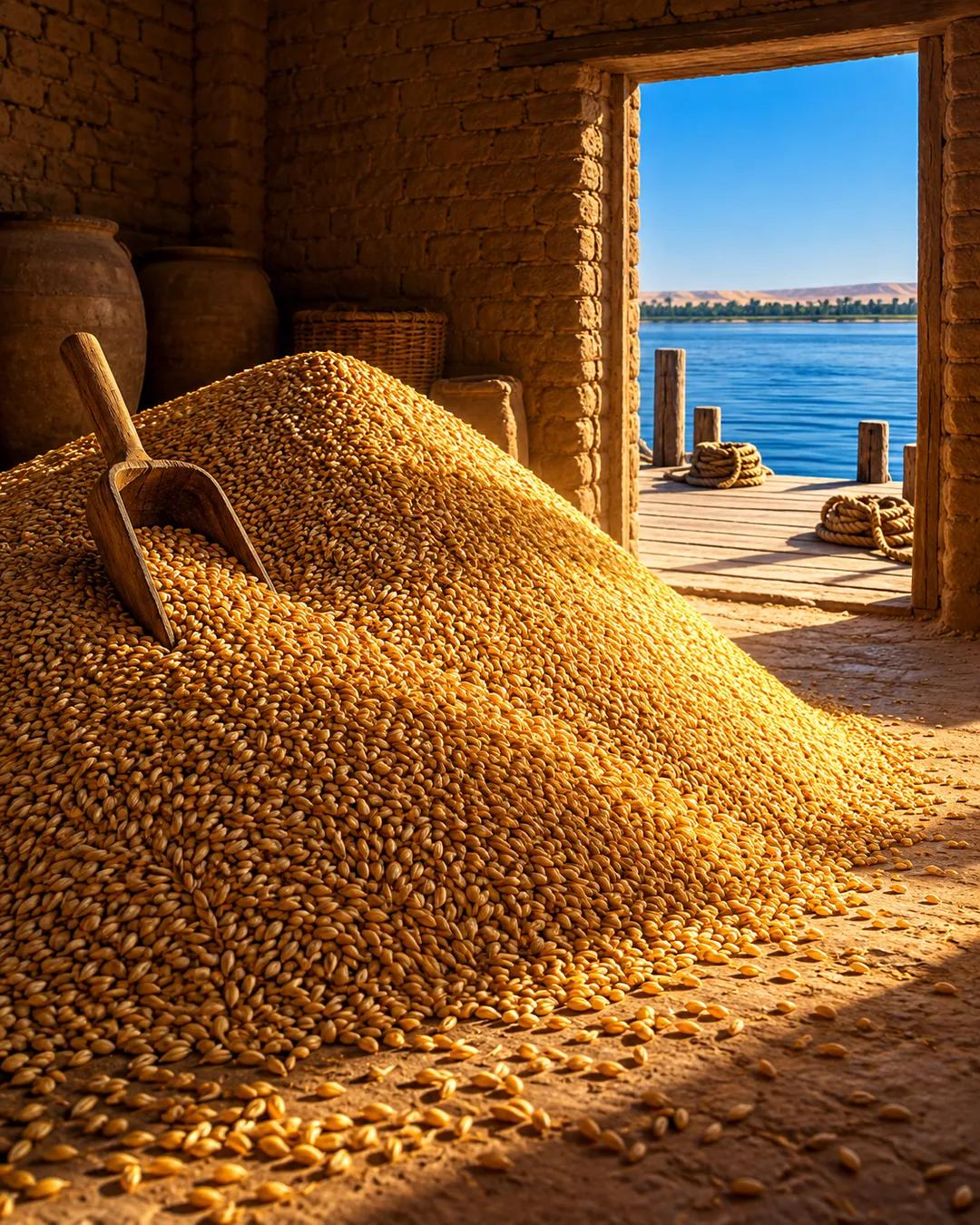
The Third Dynasty of Ur collected barley as taxes, stored it in state warehouses, and handed it back out as rations to workers and officials. When harvests failed, the stores emptied and the rations that held the system together stopped. Tablet archives from the dynasty record huge quantities of barley moving through state storehouses every year.
What does the Lament for Ur describe?
The Lament over the Destruction of Ur is a Sumerian poem composed after the city fell. It describes burned temples, dead and scattered people, and the goddess Ningal weeping over her ruined home. Scribes kept copying it in schools in the centuries that followed. It runs to several hundred lines.
More from Fall of Civilizations