Korva is a scroll of the internet’s best ideas.
Thirty kinds of Sumerian beer
Beer in the Courtyard
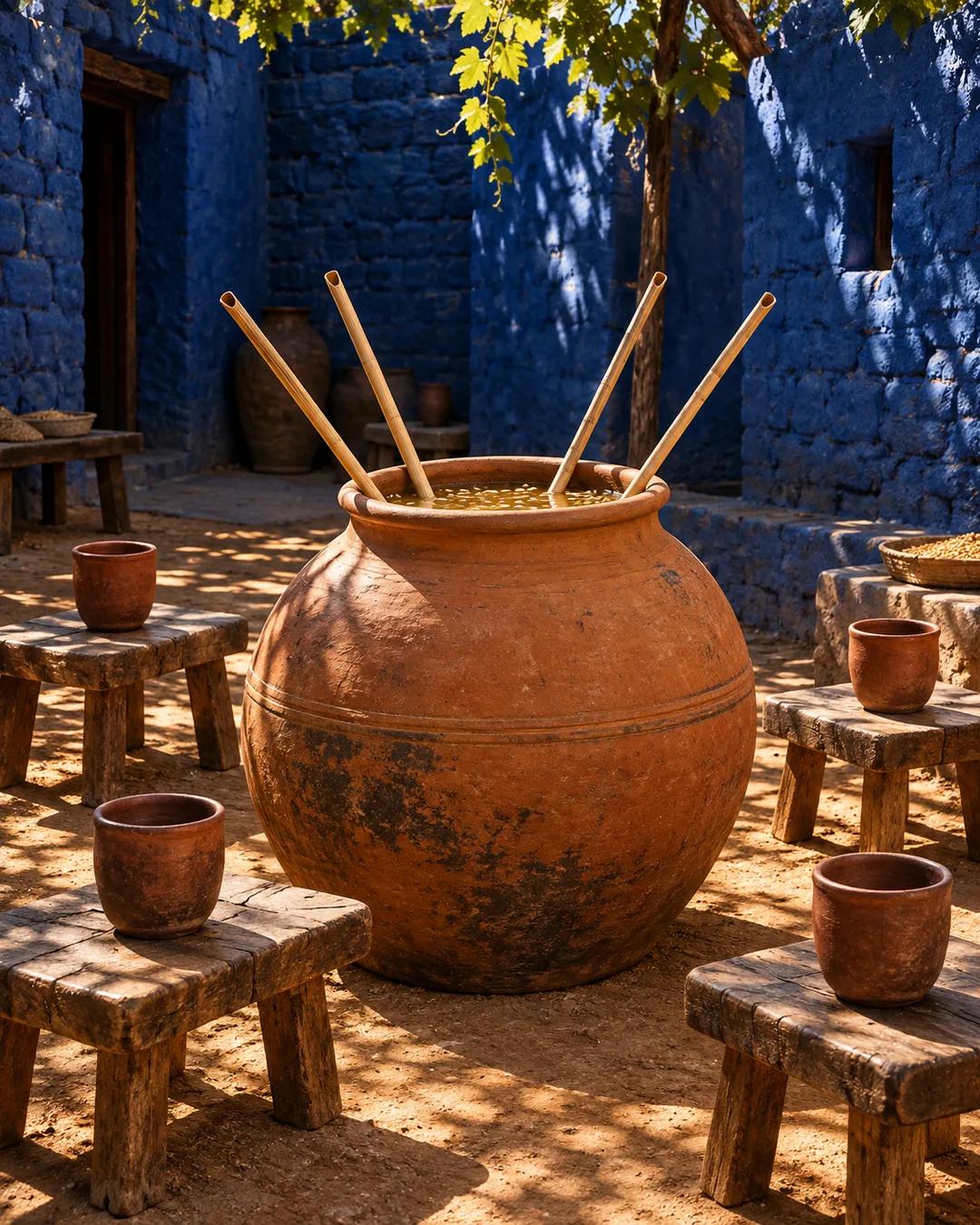
Men sat in circles in shaded courtyards with a large jug of beer in the middle, sipping through a long straw made of hollow reeds. Some beers were flavored with herbs. The cheapest were fermented straight from wheat and barley, so grain seeds often floated at the bottom. The Sumerians imported some wine from the north, and beer was still their favorite.
Complaints in Clay
Their complaints survive in proverbs on clay. One speaker is a thoroughbred horse stuck pulling a cart of reeds and crop residue like a mule. Another grumble is about money: a dead poor man is better off than a living one, and if he has bread he has no salt, and if he has salt he has no bread.
Life in the City
The city itself was loud with smells. Pottery kilns and brickworks sent smoke up all day, there were no drains, and people dumped their trash in the street. People slept on their roofs at night because the houses were too hot inside. At home they laid layers of clay, powdered gypsum, and reed mats on the floor to make a soft, carpet-like surface.
Why did Sumerians drink beer through straws?
Sumerian beer was unfiltered and thick with husks and grain. A long straw let drinkers reach the liquid below the floating solids. Cylinder seals from the Royal Cemetery at Ur show figures sipping from a shared jar through long tubes. Some straws buried in royal graves were made of gold.
How did Sumerians brew without modern yeast?
Brewers baked barley dough into a bread called bappir, crumbled it into water with malted grain, and let the mash ferment. Wild yeast in the air and on the vessels did the work. The Hymn to Ninkasi, a Sumerian poem to the goddess of beer from about 1800 BC, describes the process in verse.
Why was beer part of daily pay?
Ration lists from Sumerian cities show workers receiving fixed daily amounts of bread and beer, scaled to their rank and job. Beer was nourishing and easy to store in jars. Ration texts from Girsu and Ur list it alongside barley and oil as standard payment.
More from Fall of Civilizations