Korva is a scroll of the internet’s best ideas.
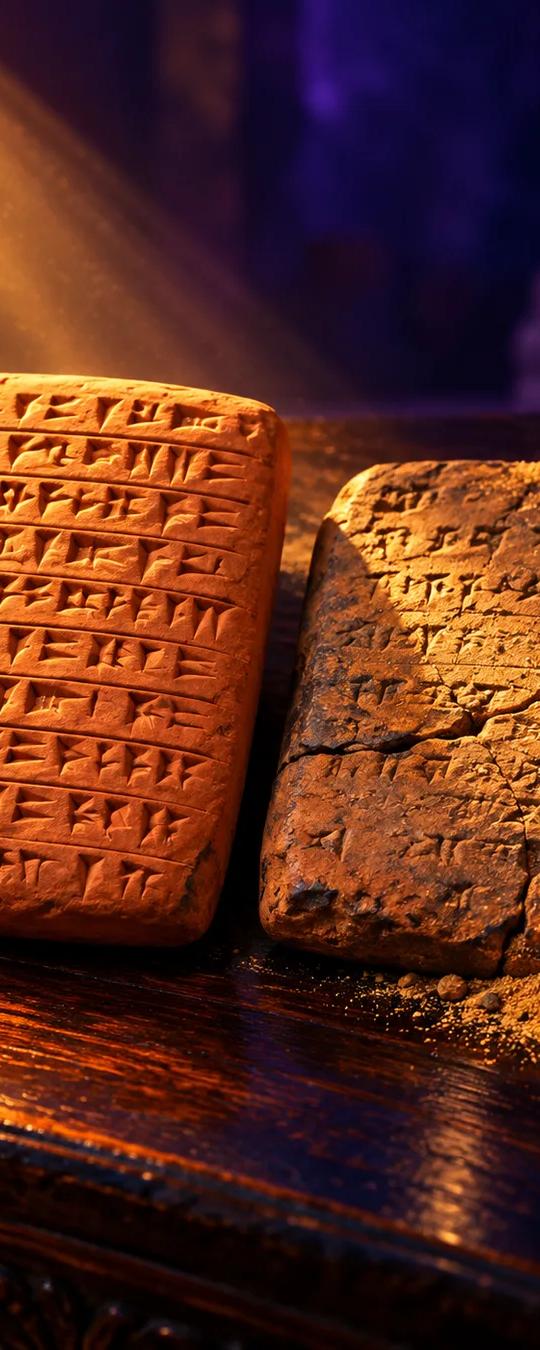
Ur-Nammu wrote the oldest law code
Laws and Reforms
Ur-Nammu came to power after Utu-hengal's death and proved a seasoned ruler. He standardized the bronze weights merchants used in the market, which laid the foundation for the first currencies. His laws set payments in shekels: two shekels to whoever returns an escaped slave to the owner, and ten shekels for cutting off another man's foot. He rebuilt the roads and irrigation canals after decades of neglect under the Gutians and put up buildings in Nippur, Larsa, Kish, Adab, and Umma.
Building Ziggurats
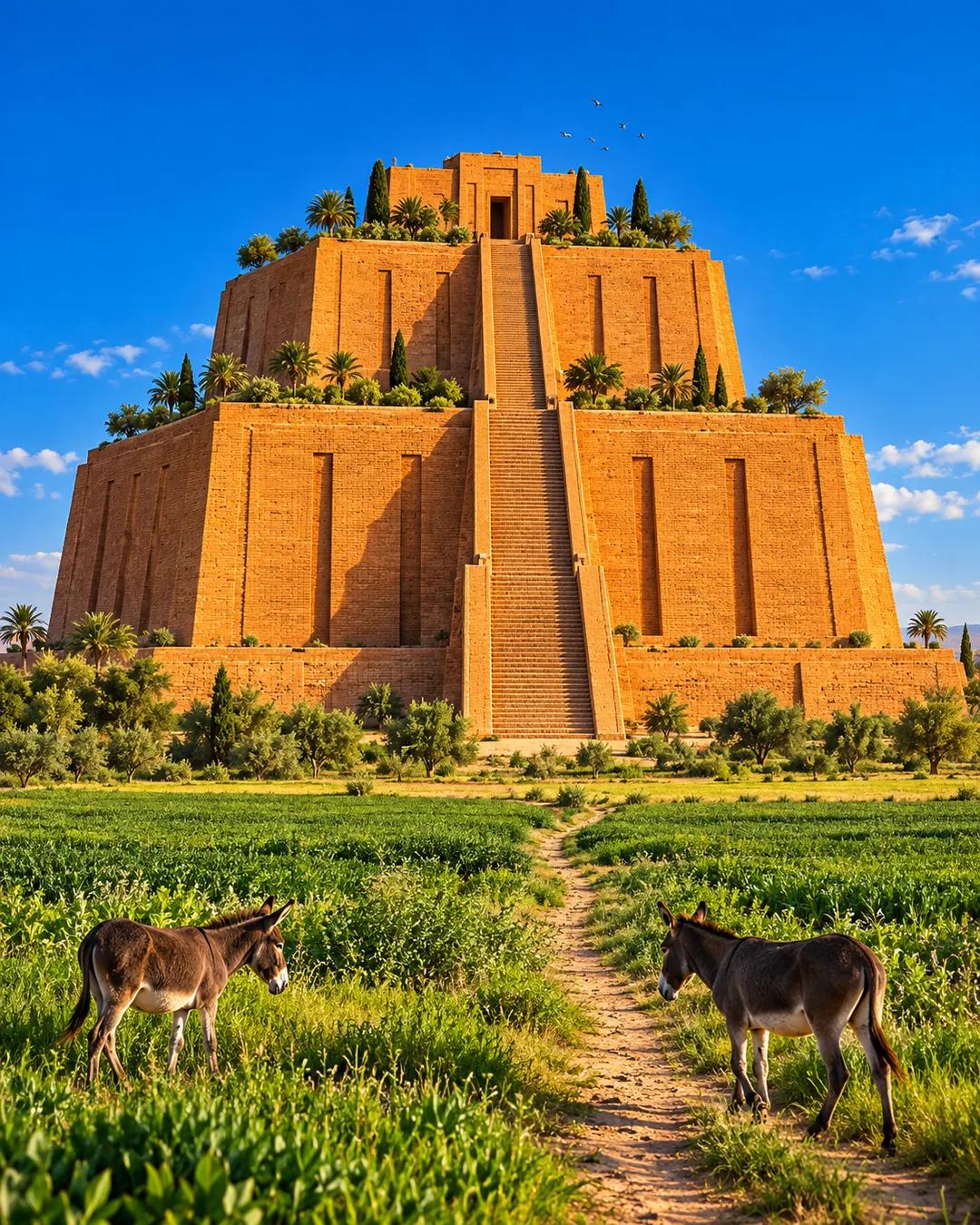
He loved building ziggurats most. These stepped towers, each made up of three layers like a wedding cake, were the pinnacle of Sumerian architecture. They were probably white like plaster, and priests may have planted trees and plants on the terraces while birds nested in the heights. Under him, each Sumerian city had one.
The greatest was in his hometown of Ur: about 30 meters high, roughly ten floors, built entirely of baked clay bricks set in bitumen. At least 1,500 workers needed just over five years to build its base. Farmers 20 kilometers away could see it on the horizon.
Death in the Mountains
Ur-Nammu led an army into Gutian territory to end their raids for good. He died in the mountains far from home, and a long poem, The Death of Ur-Nammu, follows him into the underworld.
How do Ur-Nammu's laws differ from Hammurabi's?
Ur-Nammu's code punishes most injuries with fines paid in silver. Hammurabi's code often prescribes physical retaliation, an eye for an eye, depending on the social class of the victim. The first tablet of Ur-Nammu's laws was found at Nippur, and Samuel Noah Kramer published it in 1952. Copies from Ur and Nippur have since filled in more of the text.
How did builders keep ziggurats from collapsing?
Builders at Ur laid courses of baked brick in bitumen and set reed matting between layers to help bind the structure. They cut weep holes through the walls so that rainwater could drain out. Both features have been found in the surviving lower stages of the Ur ziggurat.
What does The Death of Ur-Nammu describe?
The Sumerian poem recounts the king's death in battle and the funeral that followed. It describes his body being left on the field and his arrival in the underworld, where he gives gifts to its gods. His son Shulgi succeeded him and ruled for about 48 years.
More from Fall of Civilizations