A Trooper Bet On The Right Highway And Ended A Run For Mexico
After eight silent hours, Baltimore detectives saw their suspects reappear 20 minutes from Mexico, and one trooper had to pick the right highway.
 Dateline NBC · Deadly Intersection
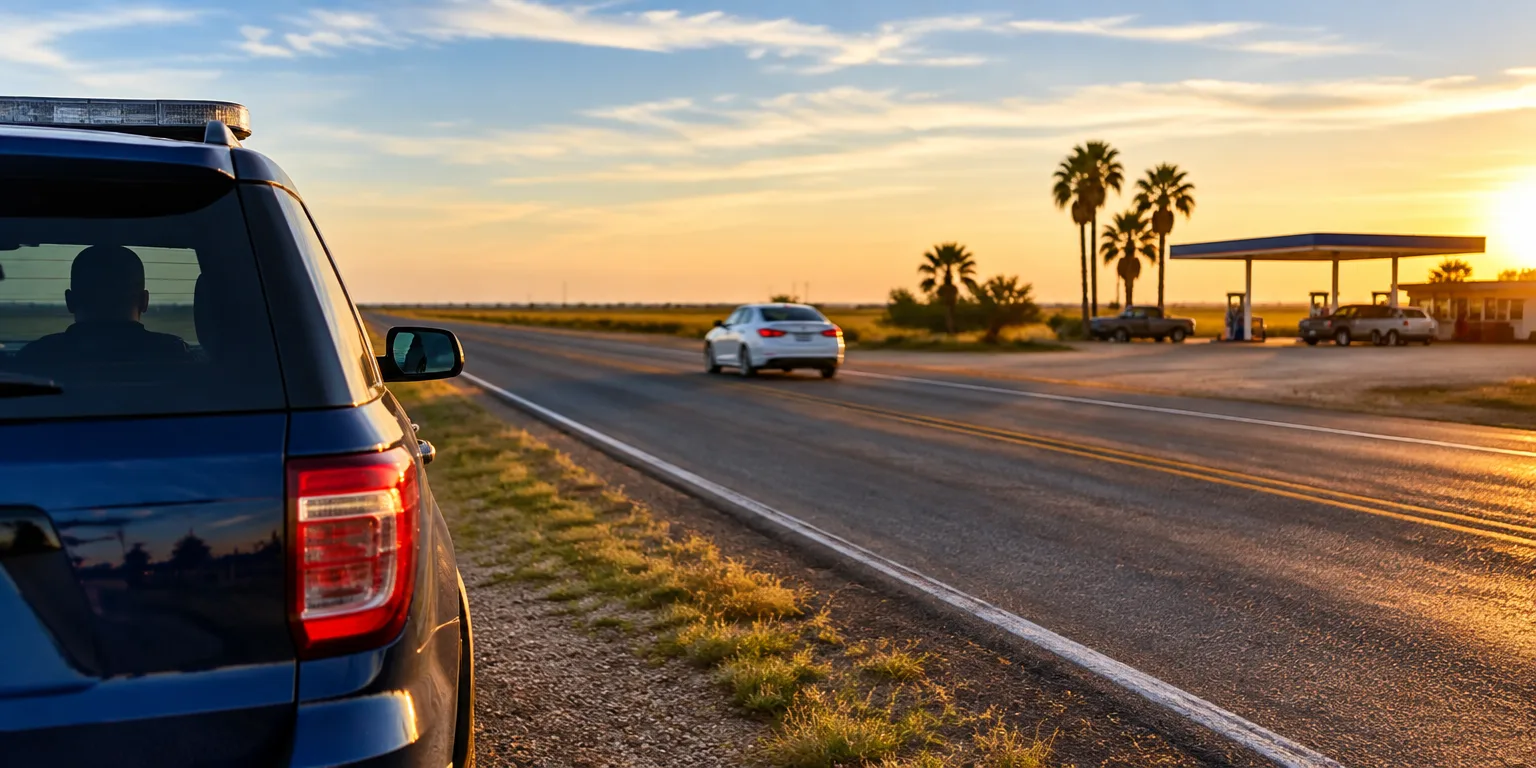
Texas state trooper Juan Ceseda parked beside U.S. Highway 77 and watched his rearview mirror for white cars.
Every white sedan that rushed past got a second look. He checked the plate, and if it was not Florida, he went back to the mirror to wait for the next one.
He was hunting a white rental car with Florida plates driven by Keith Smith, a Baltimore widower under surveillance after the stabbing death of his wife, Jacqueline, two and a half months earlier. Smith had driven about 1,800 miles toward Mexico with his adult daughter, Valeria.
Baltimore homicide detective Jill Beauregard had been listening from a police surveillance room in Maryland to Smith's tapped cellphone in Florida. She heard him ask a travel agent for a one-way flight from Orlando to Havana, Cuba, for the next day, then for a one-way flight to Canada, then whether he needed a passport for Canada or the Virgin Islands.
Prosecutors took the calls as evidence that he meant to flee. The next day, Smith rented a car and drove north to Baltimore, stayed a day and a half, picked up Valeria, and left Maryland with her after she texted her boyfriend that they were leaving.
Then the tracking signal went dark. Beauregard called it a terrible feeling, with panic setting in as detectives watched an empty monitor and feared that wherever Smith was headed, he would cross a border and disappear.
Detectives alerted federal authorities and kept watching. Eight hours later, the tracking signal reappeared in Texas. Beauregard recalled seeing the update and saying, "And we see that he is 20 minutes, 20 minutes from the Mexican border in Texas."
Texas troopers were already looking for the car. A license plate reader had picked up the white rental near Corpus Christi, and a BOLO, short for be on the lookout, had reached Ceseda. He said the car had last been seen north of him "about two and a half hours" away. Faced with two main routes to Mexico, he gambled on U.S. 77.
In his mirror near Harlingen, another white car appeared with a Florida plate. Ceseda pulled out and followed as the rental left the highway and rolled into a gas station without its occupants getting out for fuel.
He swung in behind it, turned on his lights and sirens, and ordered a high-risk felony stop. With hands out the windows and then bodies on the pavement, the run ended about 20 miles short of Mexico.
Questions people ask
What is a BOLO?
It means be on the lookout. It is a broadcast description of a person, car, or license plate sent to officers in an area so they can watch for it and report or stop it.
What makes a traffic stop a felony stop?
It is a high-risk vehicle stop used when occupants may be dangerous or wanted for a serious crime. Officers use lights, sirens, distance, and loud commands, often ordering hands outside the car and having people exit one at a time and lie face down before being handcuffed.
Could Smith have crossed into Mexico without a passport?
For most U.S. citizens driving into Mexico, officials may ask for a passport at the border, and a passport is required to reenter the United States. People without proper documents can be delayed, denied entry, or questioned, which is why investigators paid attention to Smith asking about passport rules.