Insects Are Declining From Many Small Human Pressures, Not One Cause
The total weight of trapped insects fell 70 percent in one long study, and Ware says grill-caught dragonflies are now uncommon.
 Science Vs · Where Have The Insects Gone?? With Dr. Jessica Ware
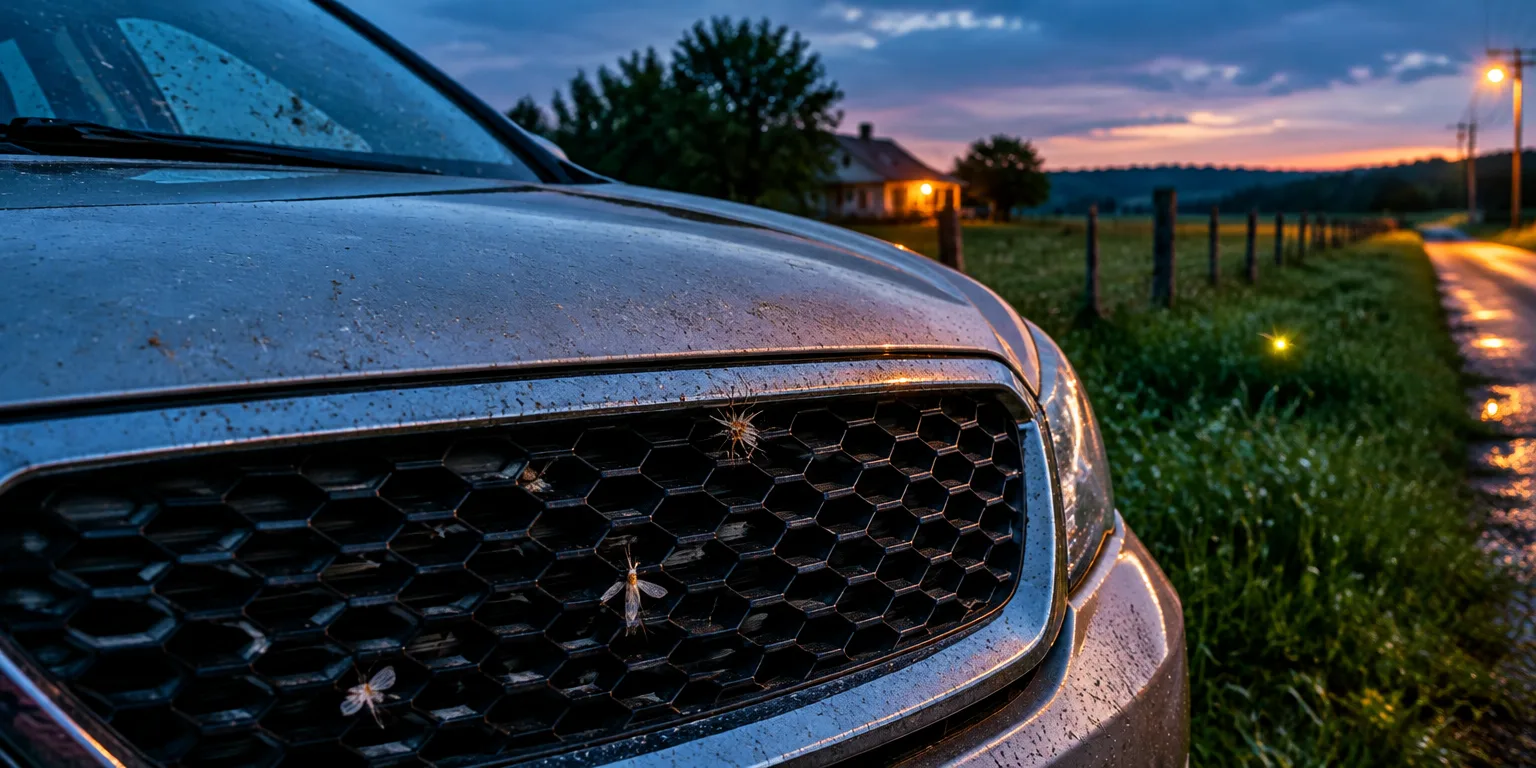
In the 1990s, dragonflies hit cars so often that entomologists could pick them off the front grills as bycatch. Jessica Ware, an entomologist who studies dragonflies, says that is very uncommon now, though she saw some of one group in car grills on her last visit to Alaska.
That everyday absence sits alongside a striking measurement from traps.
About 10 years ago, researchers in Europe weighed all the insects caught in traps over 30 years and found the total weight had fallen by 70 percent. Ware says she and others first wondered if the mix had simply shifted from heavy beetles to light mosquitoes.
Since then, Ware says, researchers have been collecting data around the world, from north to south and east to west. Time after time, they are finding insects "declining at a rate that is alarming" and faster than ever seen before.
Ware saw the change on a family drive. Her 17-year-old son, a new driver, asked why so many insects were hitting the windshield during a wet spring that produced a big firefly year. He had never needed the windshield washers for bugs, and she told him this was normal when she was young.
The pushback has included scientists writing in a letter to the editor that "We respectfully suggest that accounts of the demise of insects may be slightly exaggerated." Ware says the wet-spring firefly boom makes the opposite point.
After a wet spring brought a firefly boom, Ware reads it as what happens when the stressor of drought is removed, which suggests that removing other pressures could help other insects bounce back too.
More recent studies using stricter statistics still find that many more groups are doing poorly than well, even if, as Ware notes, "some pest cockroaches are doing better" and some bee species are doing slightly better. As Ware puts it, "as someone studies a new group, they find the same pattern" of decrease, decrease, decrease.
A study published in 2025 found steep drops in common North American butterflies, including the cabbage white, to the point that Ware worries great-grandchildren may never see the cabbage white.
There is no single cause to fix. Ware says the common thread is people. Climate change brings drought on one side and unexpected floods and bigger fires on the other, while people convert meadows, forests, and wetlands into pasture, add nitrogen to soil, and release noise, light, and chemical pollution.
People also move species around the world through commerce, where invaders without natural enemies can grow to large numbers and outcompete natives. Her colleague David Wagner calls it "death by a thousand cuts," many small wounds that together are too much, with no one fix.
Questions people ask
How does light pollution actually hurt insects?
Light at night can confuse nocturnal insects, draw them away from mating and feeding, and leave them exhausted or easy prey around lamps. Fireflies, which use flashes to find mates, are especially sensitive because artificial light can drown out their signals.
Why would a wet spring produce more fireflies?
Firefly larvae live in damp soil and leaf litter and eat snails, worms, and other small prey. A wet spring keeps that habitat moist and food-rich, so more larvae survive to emerge as flashing adults in summer.