The Ocean’s Top 2,000 Meters Hold More Heat Than Ever
Warming in those waters is happening much faster than it used to.
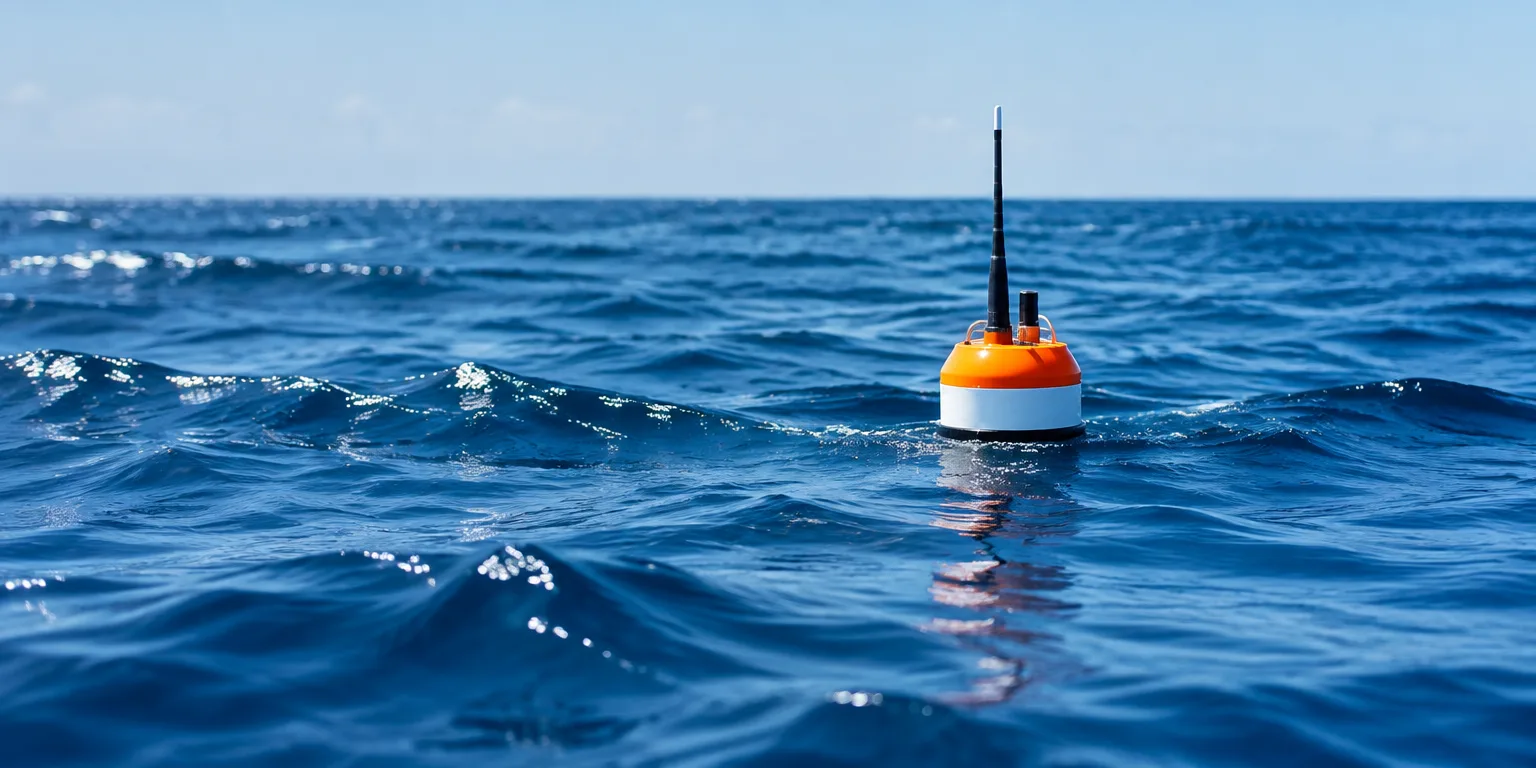
 heise.de · Climate report records highs for 2026 | heise online
The top 2,000 meters of the ocean held more heat in 2025 than ever measured, and preliminary data through July show it rose further in 2026.
That is a layer of water more than a mile deep. The rate of warming there has quickened markedly in the last twenty years.
That warming bears on sea life, the variety of life at sea, and the ocean's role as a carbon sink, the natural process by which the ocean takes in carbon dioxide from the air.
Questions people ask
What does it mean that the ocean is a carbon sink?
It means the ocean takes up carbon dioxide from the air at the surface, and currents and marine life carry some of that carbon into deeper water. That uptake leaves less carbon dioxide in the atmosphere to trap heat. When the ocean warms, that process can work less well.
Why track the top 2,000 meters?
Much of the added heat stays in the upper ocean, where winds and currents mix warm surface water downward. It is also the layer best covered by long-term measurements from ships and diving floats. Deeper waters matter, but they are sampled less often and change more slowly.