Allen Doubts the Avalanche Explanation for Nine Hikers' Deaths
Allen says questions remain about the ice slab idea, starting with why they camped on an exposed slope.
 The Joe Rogan Experience · #2543 - MrBallen
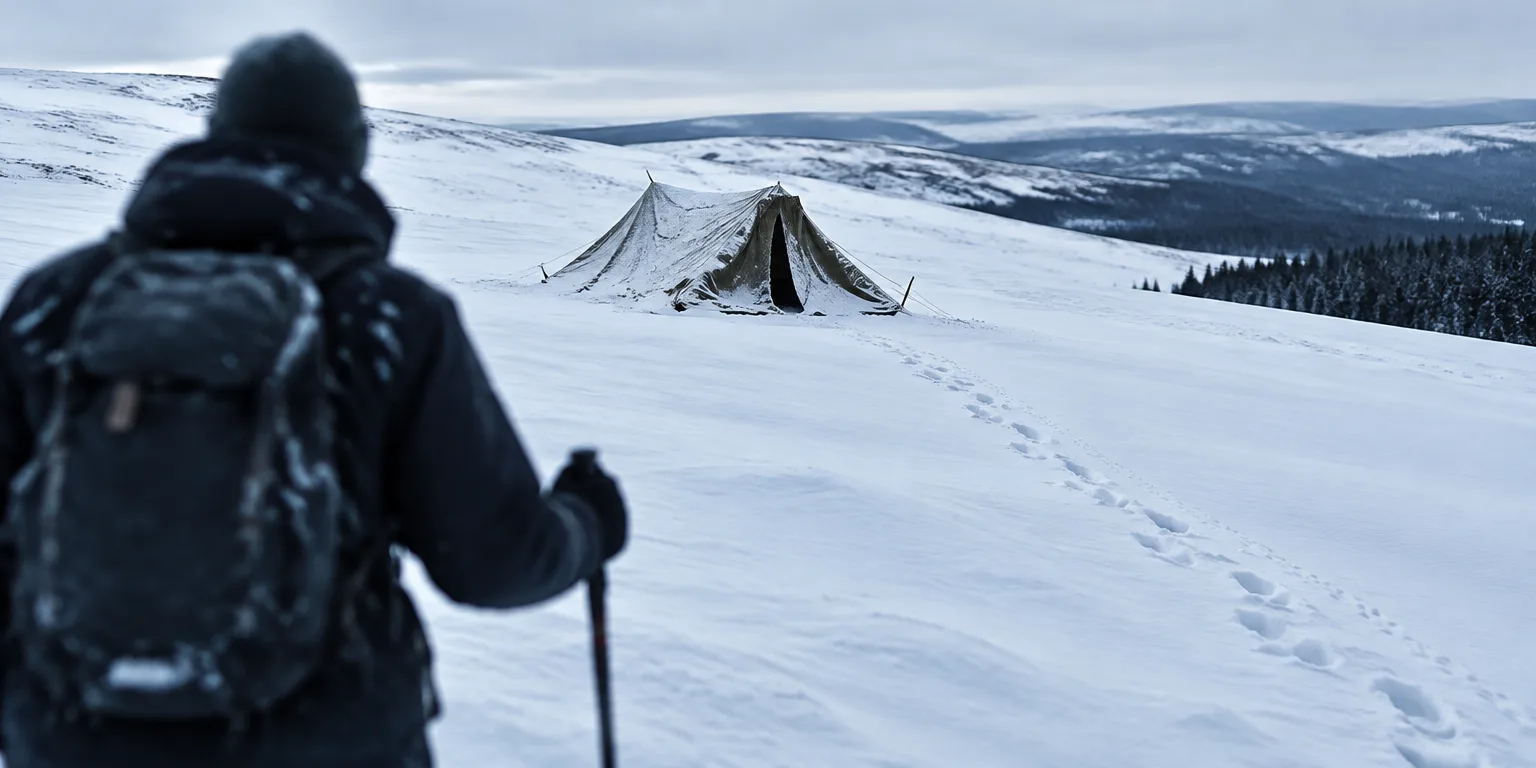
In late February 1959, a small search party crossed a bare, windswept slope in the Ural Mountains, the rugged range that runs through western Russia, and stopped at a single collapsed canvas tent. There were no trees to break the wind and snow.
Inside were cold weather gear, pots, and other equipment the hikers would have needed to survive winter. The tent had been cut open with a knife, and testing indicated the cut had been made from the inside out.
The account comes from John B. Allen, a true-crime storyteller recounting Russia's Dyatlov Pass deaths. Allen recalled that Russia reexamined the case around 2022 and blamed an avalanche or ice slab that led to exposure and hypothermia. He cautioned that his recollection could be totally wrong, but said it left questions in his mind, starting with why they camped where they did.
The tent belonged to nine hikers in their 20s, regarded as among the country's best young climbers. They had set out in January 1959 on a self mapped, several week route to earn the top mountaineering credential. They carried cameras and posed smiling in pictures that look like modern selfies. Expected back around February 12, they never sent word, and families pressed for a search. All nine were later found dead.
About 100 feet below the tent, searchers found eight or nine sets of footprints leading downhill, some in boots, some in one boot and one bare foot, and some in bare feet alone in midwinter cold. The stride showed walking, with no sense of urgency. The prints stopped at the edge of a small, dense forest.
Just inside was a large cedar with a small burned out fire and two bodies, with broken branches and human tissue high on the trunk suggesting someone climbed. One man had part of a hand in his mouth, as if he had bitten it. Three more bodies lay 100 or 200 feet away, thinly clothed. The last four were found after the May thaw, about 300 or 400 feet from the cedar in what looked like a snow shelter.
Allen described one man with a crushed chest, comparing it to a high-speed car impact, but with limited cuts to the skin. He said a woman's missing lips showed relatively straight lines rather than animal tearing, noting some accounts claim they looked surgically removed, and another hiker's eyes were missing. Clothing appeared exchanged, and testers found small trace amounts of radiation on some clothing.
By 1960 the deaths were a national sensation, with outspoken families demanding answers. Authorities opened an investigation, then quickly shut it down and classified it. The stated cause was an overwhelming or compelling force. Allen said there were independent reports of glowing fireballs or orbs of light over the Urals, though he said it was hard to tell if they matched the time and place.
Allen said he thought Russia reexamined the case around 2022 and basically attributed the deaths to an avalanche or a huge slab of ice that led to exposure and hypothermia. He said that account certainly could have happened, but it left questions in his mind, including why experienced hikers stopped to camp on the exposed side of the slope.
Questions people ask
Can extreme cold make people remove their clothes?
Yes. In the late stages of hypothermia, blood vessels widen and overheated skin can make a freezing person feel burning hot, so they remove clothing. The term is paradoxical undressing, and it is often followed by confusion, hiding, and odd behavior.
How could an avalanche explain a tent cut from the inside?
Allen described the tent cut as made from the inside out with a knife. He did not explain how a slab or avalanche would account for that cut, saying only that he understood the new finding to be basically an avalanche or slab of ice leading to exposure and hypothermia. So the source does not answer how the cut fits.
Are the original photos still available?
Yes, many have circulated for decades. The hikers carried cameras, and later files included images of the collapsed tent, the search parties, the cedar tree area, and the spring recovery. Documentaries and online archives have kept them in public view.