Helen Duncan's Battleship Claim Looked Psychic, but Families of 861 Dead Men Already Knew
Britain hid the loss from Germany, but had already told the families of all 861 men killed.
 After Dark: Myths, Misdeeds & the Paranormal · The Witch Trial of World War Two
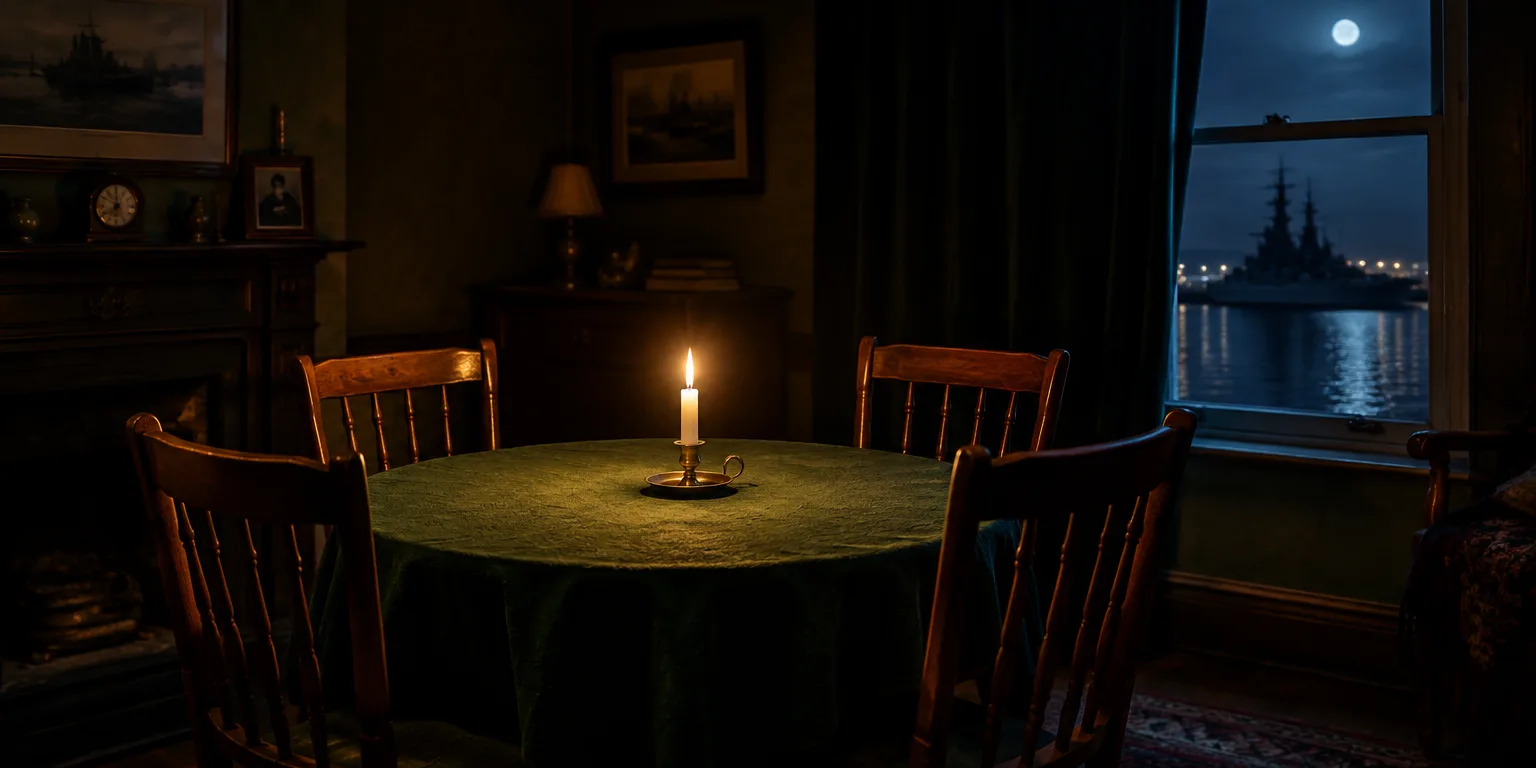
In November 1941, the Scottish medium Helen Duncan was holding a séance in Portsmouth when she said the British battleship HMS Barham had been sunk.
The government had not announced the loss. Britain was withholding the news from Germany, so German forces would not know for certain that their attack had succeeded and a major warship was gone.
The secrecy was official, not complete. The sinking had killed 861 men, and the families of every one of those men had been told.
That meant many people in Portsmouth knew privately, while nothing had been announced publicly. Portsmouth was a naval port in southern England, where the news was whispered across the city and privately grieved.
To people in the room and people who heard of it, with no public announcement made, the claim looked like proof of her powers.
If two people knew about each death, that would still be more than 1,700 people, though no one knows the real total.
Duncan was touring and building a reputation beyond her home séances, and she was sitting in the middle of that whisper network. Repeating a local rumor as a spirit message could look like clairvoyance, and word of her statement then traveled back to the authorities.
Questions people ask
Why would Britain keep a sunken ship secret?
Britain did not want Germany to know for certain that its attack had succeeded and that a ship was lost. The sinking was therefore kept out of public announcements.
If many people knew, why did it still seem psychic?
With no public announcement, the claim looked like proof of her powers to people who heard it. Naming a real but unannounced sinking in a séance could seem impossible by ordinary means.
Was she prosecuted for revealing the sinking?
No. The Barham statement drew official attention, but the later case concerned claims of contacting the dead. She was tried under the 1735 Witchcraft Act and sentenced to nine months in prison.