A Wrong Guess About A Dead Relative And Cheesecloth Exposed A Wartime Medium
A naval officer said he had no dead aunt, or sister, and police found cloth, not ghosts.
 After Dark: Myths, Misdeeds & the Paranormal · The Witch Trial of World War Two
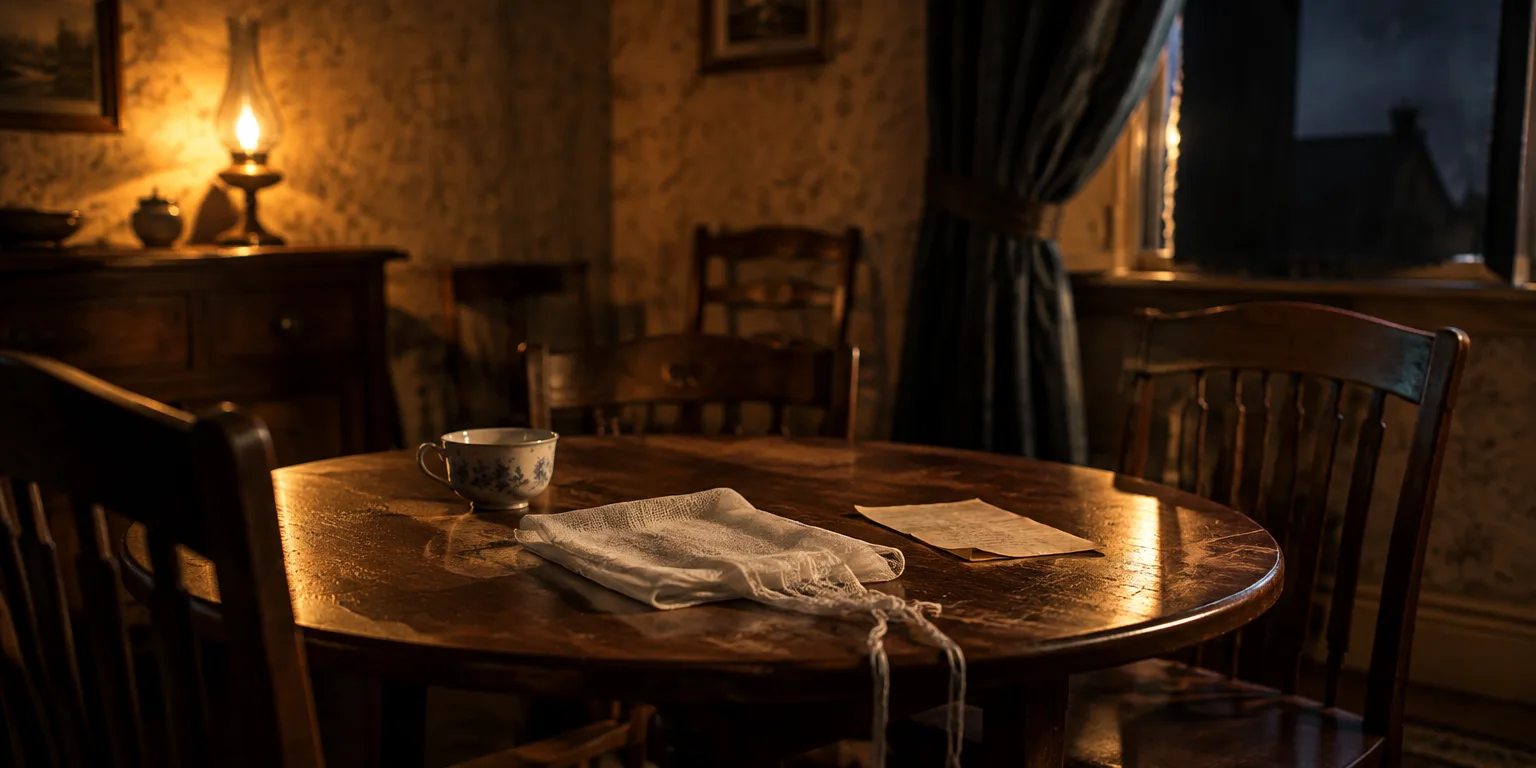
On a January night in 1944, the lights were low and a white shape slipped from behind a curtain. Among the sitters were two naval officers out of uniform, there because authorities were suspicious of a medium who had spoken about information that was not public.
The medium was Helen Duncan, a Scottish working-class mother of six known as Hellish Nell. For years she had filled dark rooms by producing what she called spirits, pale cloth figures she said emerged from her body.
That night ended her run. Within days a wrong guess about a dead relative and a handful of cheesecloth would put her under arrest and on course for a witchcraft trial and nine months in prison.
One of the officers called himself Lieutenant Worth. Duncan told him the figure was his dead aunt.
Worth said he had no dead aunt. Duncan quickly revised the message. She meant his dead sister, she said.
He had no dead sister either. His sister was alive and well.
Worth was unimpressed, and his complaint was practical, not military. He did not report her for knowing ship movements or secret plans, but for cheating paying customers with a routine that had barely changed in a decade.
Britain was then planning the D-Day landings in secret, and officials were sensitive to any talk of hidden military information. Duncan had already drawn attention in 1941 by speaking of a sunken warship before the loss was publicly announced.
Police made time for her anyway. Five days later, on Jan. 19, officers returned to her seance undercover and watched another white figure appear.
On quick inspection, they decided it was cheesecloth, a thin fabric used for wrapping cheese and other foods. They arrested Duncan on the spot.
Officers later found a cupboard of figures at her address, but the props were not admitted at trial. The case rested on witness testimony about what people had seen and paid for in the dark room.
She was convicted and sentenced to nine months in prison. On hearing the verdict, she protested, "I have done nothing. Is there a God?"
Questions people ask
What was the cheesecloth supposed to be?
Ectoplasm was supposed to be a substance that came from a medium's body and formed into spirits. In Duncan's case, investigators said the material was ordinary cheesecloth, a light cotton fabric, that could be hidden, swallowed, and then brought back up during a dark seance.
Why was a 1944 case charged under a 1735 Witchcraft Act?
Parliament passed the Witchcraft Act in 1735 not to punish real witches, but to punish people who falsely claimed magical powers or accused others of witchcraft. It reflected Enlightenment skepticism and remained available for fraud cases until it was replaced by the Fraudulent Mediums Act in 1951.
Did Duncan really reveal a secret sinking?
In 1941 Duncan said the battleship HMS Barham had sunk before the government announced it. The sinking had killed 861 men, but their families had already been notified, so the news could have spread by word of mouth in a naval port like Portsmouth.