His Son Said Khrushchev Fell to His Knees Sobbing When Kennedy Died
Days later, Jackie Kennedy wrote that the two Cold War adversaries had been allied in keeping the world from being blown up.
 Who Killed JFK? · "Shots Have Been Fired"
In his memoirs, Sergei Khrushchev wrote that when his father, Soviet leader Nikita Khrushchev, heard the news from Dallas, he "fell to his knees and sobbed."
Sergei Khrushchev also wrote that all over Russia, church bells rang in Kennedy's memory.
President John F. Kennedy had died at 1:00 p.m. Central Standard Time. The grief of his Cold War adversary points to an unlikely partnership to keep nuclear war from starting.
Their correspondence began when Kennedy entered the White House as routine diplomatic exchanges, but the standoff over Soviet missiles in Cuba gave it a different character.
As the confrontation peaked, Khrushchev wrote Kennedy: "I have participated in two wars, and I know that war ends when it has rolled through cities and villages everywhere, sowing death and destruction."
Kennedy was a war veteran who had repeatedly faced death, and had little patience for generals urging him to risk other people's lives. It was to that veteran that Khrushchev addressed his closing warning.
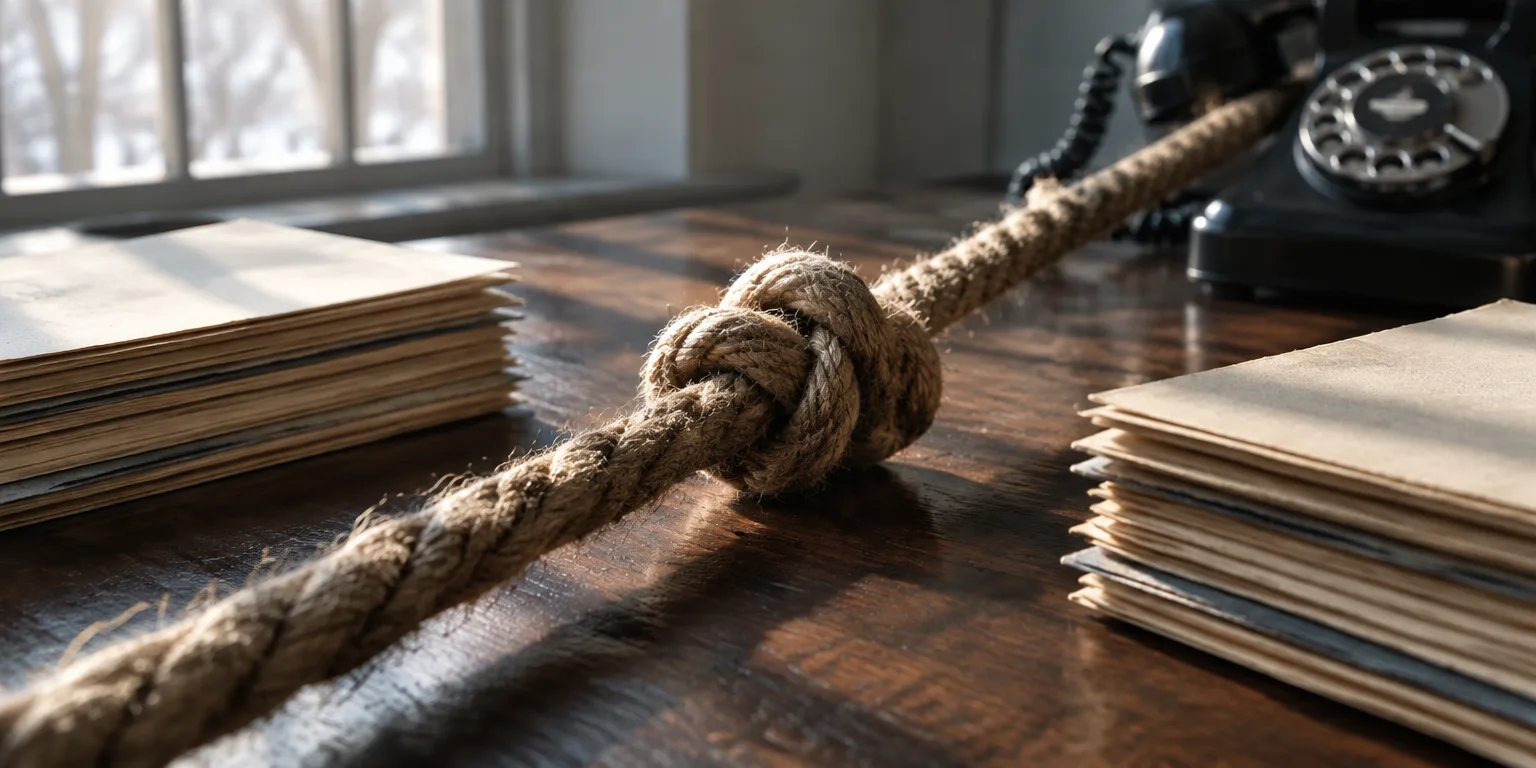
He closed with a warning: "You ought not now to pull the ends of the rope in which you have tied the knot of war, because the more the two of us pull, the tighter that knot will be tied. So let us take measures to untie that knot."
Soledad O'Brien, the journalist, suggests the letters show what they shared. Each stood isolated among advisers he did not trust, each controlling a military machine ready for nuclear action that maybe neither man wanted.
The standoff ended in compromise, with the United States agreeing to remove missiles from Turkey while Khrushchev, standing up to his own hard-liners in Moscow, agreed to remove missiles from Cuba.
Right after the funeral, Jackie Kennedy, the widowed first lady, sat down in the White House to write to Khrushchev. She was spending one of her final nights there, writing on White House paper for one of the last times.
She wrote that she was sending the message because her husband cared about peace and saw his relationship with Khrushchev as central to it.
Her husband used to quote Khrushchev's words in his speeches, she wrote, "in the next war, the survivors will envy the dead." Then she closed with the alliance she saw between them: "You and he were adversaries, but you were allied in a determination that the world should not be blown up."
Questions people ask
What was the Cuban Missile Crisis?
The Cuban Missile Crisis was a 13-day standoff in October 1962 after the United States discovered Soviet nuclear missiles in Cuba, about 90 miles from Florida. It ended with a public deal and a secret compromise in which the Soviets removed the missiles from Cuba and the United States later removed its own missiles from Turkey.
Who was Nikita Khrushchev and what happened to him?
Nikita Khrushchev led the Soviet Union from 1958 to 1964, during the tensest years of the Cold War rivalry with the United States. He was removed from power about a year after Kennedy's death and lived in retirement until his death in 1971.