Britain Tried a Medium for Claiming to Be a Witch
The 1735 law treated claims of witchcraft as fraud, not as real magic.
 After Dark: Myths, Misdeeds & the Paranormal · The Witch Trial of World War Two
In March 1944, in the middle of World War Two, a medium named Helen Duncan was put on trial at the Old Bailey under a witchcraft law passed in 1735.
The surprise is what that law actually did. It did not punish witchcraft as if it were real.
Earlier laws had treated accused witches as dangerous and punishable. The 1735 law came amid an Enlightenment push for rationality and a reaction against the horrors of earlier witch trials.
Instead, the law made it a crime to claim supernatural powers or to accuse someone else of having them. In other words, the offense was saying, I am a witch, or she is a witch, not being one.
That is why Duncan was prosecuted as an alleged fraud, not as a sorceress. The court treated her claim to contact the dead as the problem, and her conviction branded her a pretender rather than validating her powers.
In 1951, Parliament passed a new law aimed at mediums. The Fraudulent Mediums Act of 1951 replaced the Witchcraft Act for cases involving mediums.
That law was later repealed as well. Misleading claims by mediums are now handled under ordinary consumer protection rules, the same kind of trading standards law that covers other misleading sales pitches.
Questions people ask
Why use a 200-year-old law in 1944?
The 1735 law covered claiming supernatural powers and treated those claims as fraud. A law aimed specifically at mediums did not come until 1951, so in 1944 the older statute was the one used for such a case.
What had Helen Duncan claimed to do?
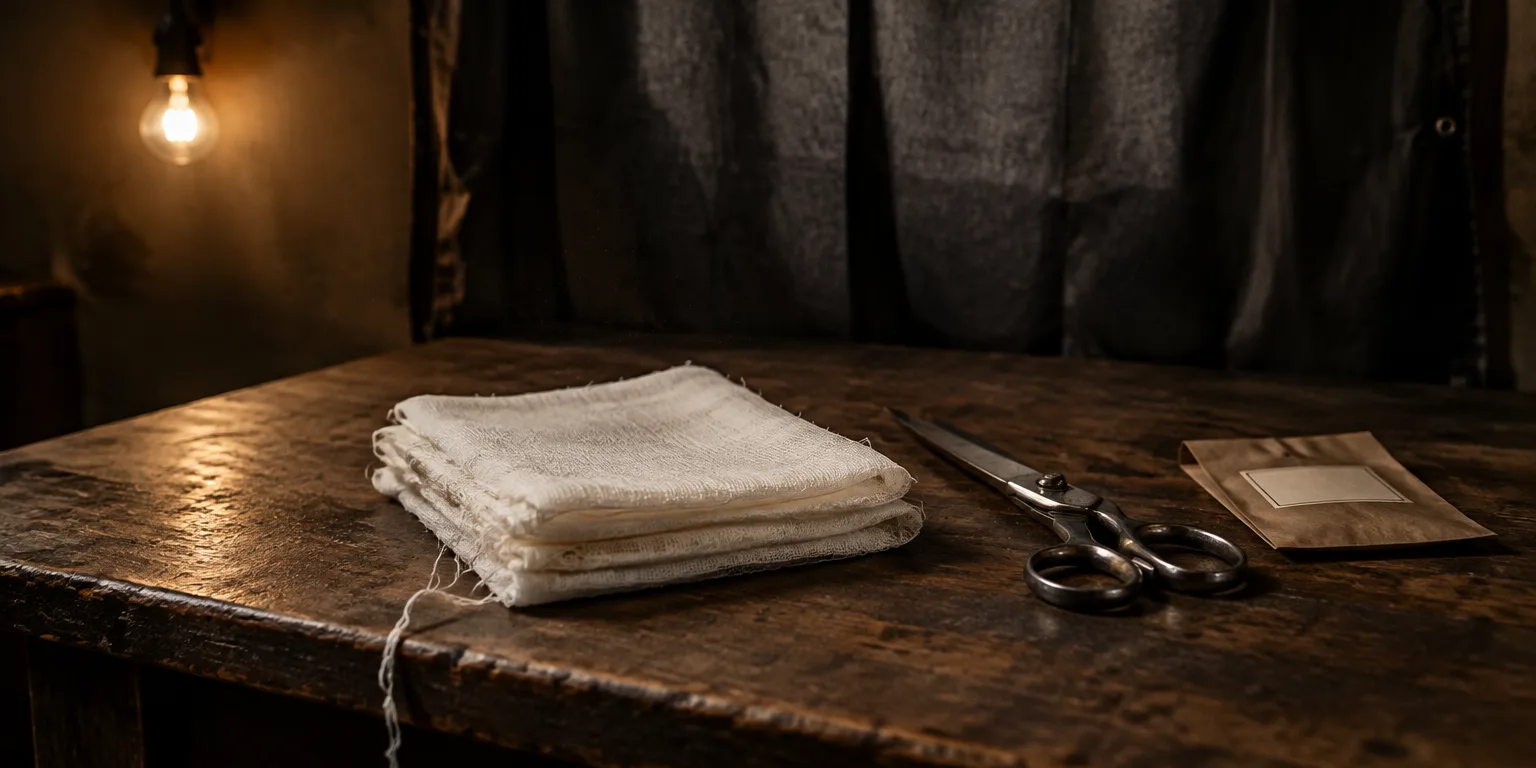
She held dark-room seances and claimed to produce spirit shapes from her body. Samples of the supposed spirit material were identified as ordinary cheesecloth.