Three Days Into the 1973 War, Israel Readied Nuclear Weapons and America Rushed Arms
After passing up a preemptive strike, Golda Meir faced severe early defeats, then a nuclear alert, and an American airlift of ordinary arms followed.
 nationalinterest.org · Israel Nearly Went Nuclear to Win the 1973 Yom Kippur War
At 8 a.m. on October 6, 1973, Israeli Prime Minister Golda Meir met with her generals to decide whether to strike first against Egypt and Syria. She decided against it.
It was a break from Israel's usual defense, which had relied on hitting first before an Arab assault. Tel Aviv knew preparations for war were underway, including a private in-person tip from Jordan's King Hussein, the ruler of the neighboring kingdom.
Henry Kissinger, America's chief diplomat, had told Israel that if it attacked first, it might lose American backing. Meir chose restraint.
Six hours later, more than 2,000 Egyptian howitzers, mortars and rocket launchers opened a massive barrage on the Bar Lev Line, Israel's fortifications on the canal's eastern side. Above them, 200 MiG and Sukhoi jets struck airfields, gun positions and headquarters, while the initial 4,000 Egyptian foot soldiers got across the waterway in inflatable boats in a planned assault called Operation Badr.
That decision to wait left Israel exposed to one of the fiercest opening assaults since World War II.
Within three days, Syrian tanks broke through in the south and virtually wiped out the 188th Barak Brigade, an Israeli tank brigade, in 24 hours, killing its commanders and leaving only five tanks still working. Israel's opening losses looked so grave that on October 9, Meir ordered Israeli nuclear strike planes and missiles to go on alert.
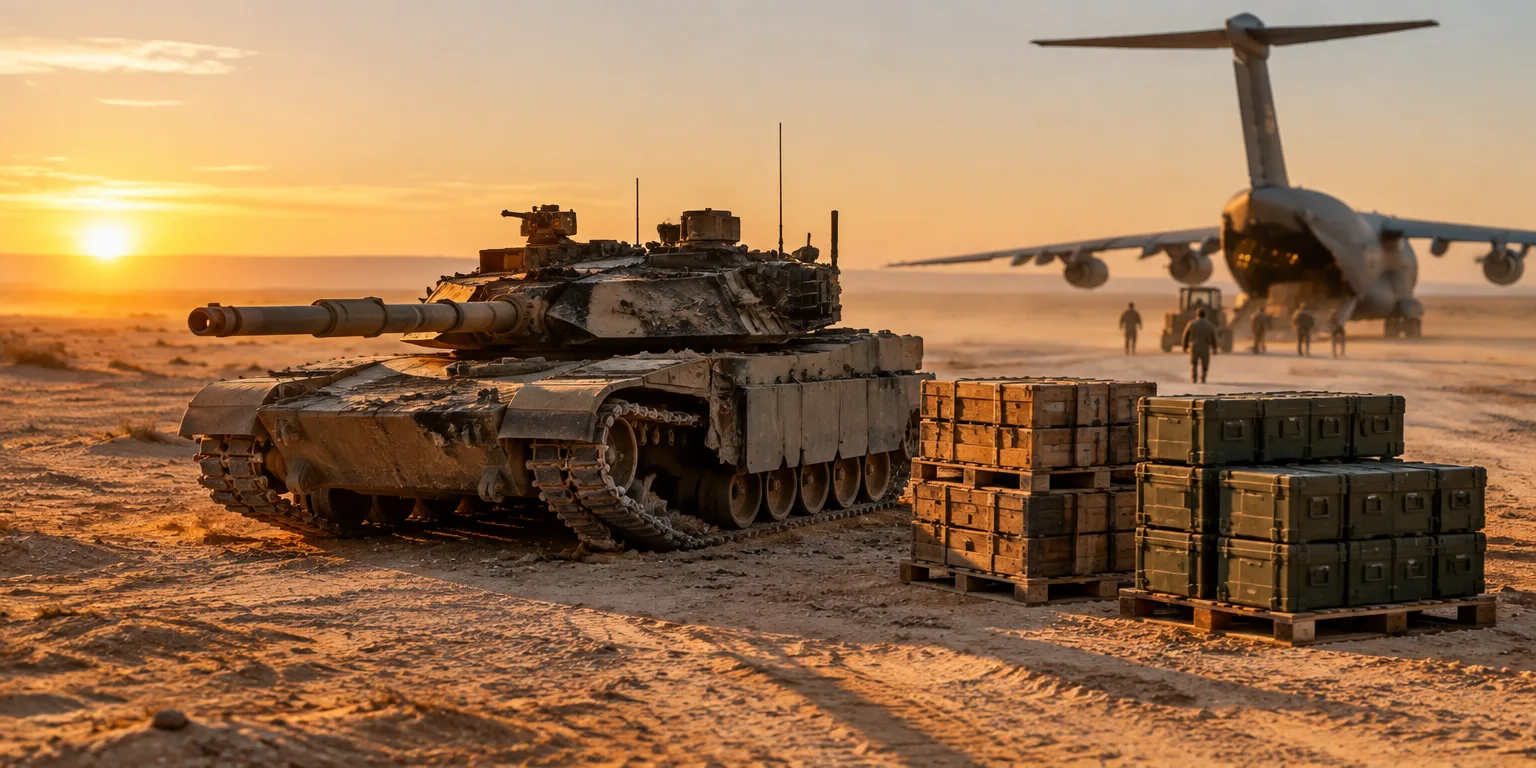
After Washington learned of the alert, it started sending large amounts of ordinary non-nuclear weapons to bolster Israel, including 72 Phantom and Skyhawk jets, 200 Patton tanks, modern TOW missiles and heavy artillery. By then Israeli reserves were already pouring toward the Golan front to drive the Syrians back.
Questions people ask
Did Israel actually have nuclear weapons in 1973?
Yes, though Israel has never formally confirmed it. By 1973 it is widely believed to have had a small stockpile of nuclear bombs assembled at Dimona, with aircraft and Jericho missiles able to deliver them. The policy since then has been deliberate ambiguity, neither confirming nor denying possession.
Why did the United States want Israel to wait to be attacked?
Washington wanted to avoid being blamed for a new Middle East war and wanted to keep Arab states, and their oil, from moving firmly toward the Soviet Union. If Israel struck first, the United States would have struggled to defend Israel diplomatically or to later broker a ceasefire. Kissinger was also trying to pull Egypt away from Moscow and toward Washington.
What did the American emergency shipments do for the war?
The airlift, codenamed Operation Nickel Grass, delivered tanks, aircraft, artillery, and ammunition over the following weeks. It helped Israel replace losses, reequip battered armored units, and then counterattack across the Suez Canal and toward Damascus. The war ended with a ceasefire that left Israel in a stronger battlefield position but badly shaken at home.