Check Waterproofing, Power, and Storage Before You Compare Video Specs
A reviewer who picked six cameras says durability and battery math matter more than resolution.
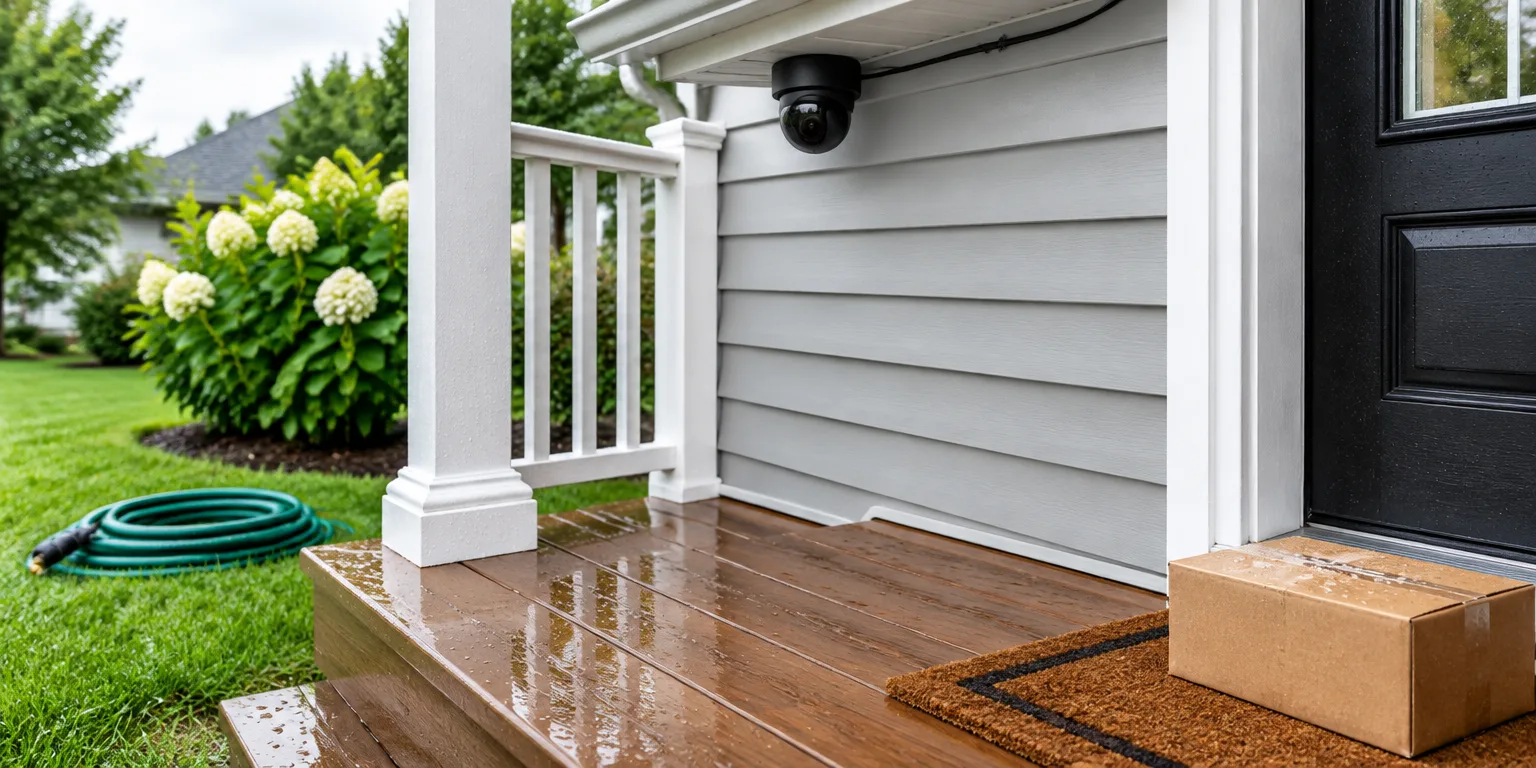
 esquire.com · The 6 Best Home Security Cameras to Buy 2026
Bryn Gelbart, a reviewer who picked six home security cameras, starts with the unglamorous stuff, not the sharpest picture. His logic is simple: a camera, a low cost subscription, and the phone you already own can send alerts when a package arrives or a kid gets home, with settings as sensitive as you want for driveway motion.
First, check durability. Gelbart would not buy an outdoor camera rated below IP65, a standard that means it is just about waterproof.
Second, decide how it gets power before you fall for easy installation. He recommends wired when you can manage it, because wireless cameras mounted high can be a pain to keep charged. Wireless is still popular for simple setup, so be honest about how often you will climb a ladder to swap a battery.
Third, count the storage. Unlimited cloud video will cost you, though most cameras include some free storage. Gelbart would not accept less than a week of saved video, and he prefers local storage because it is cheaper and easier to manage.
Only then compare resolution. For him, 1080p is fine on a doorbell, 2K gets the job done on a security camera, and 2.5K or 3K is the sweet spot. 4K is nice, but usually overkill.
The same goes for motion alerts. At this price, do not expect a camera to reliably tell you apart from the delivery driver. You just want one that reliably records motion and can distinguish a person from a car.
Questions people ask
What does an IP65 rating actually protect against?
IP stands for ingress protection. The first 6 means it is dust tight, and the 5 means it can handle jets of water from any direction, which covers rain and garden hoses. It does not mean the camera can sit underwater.
How do I know if I should get a wired or wireless camera?
Choose wired if you have an outlet, doorbell wiring, or attic access near the mounting spot, and you want to avoid charging. Choose battery powered if wiring is impractical and you can reach the camera easily, but expect to recharge or swap batteries every few weeks to monthly depending on activity.
Is local video storage really cheaper than cloud storage?
Often yes, after the upfront cost. Local storage usually means a memory card or home base station with no monthly fee, while cloud plans often run a few to 10 dollars per month per brand. The tradeoff is that a stolen camera or damaged card can mean lost footage, while cloud copies survive.