PepsiCo Tests Factory Layouts in 3D Before Building, Report Says
The trade publication links the rehearsal in software to a reported 20 percent rise in throughput.
 consumergoods.com · Top 10 Consumer Goods Companies: PepsiCo | Consumer Goods Technology
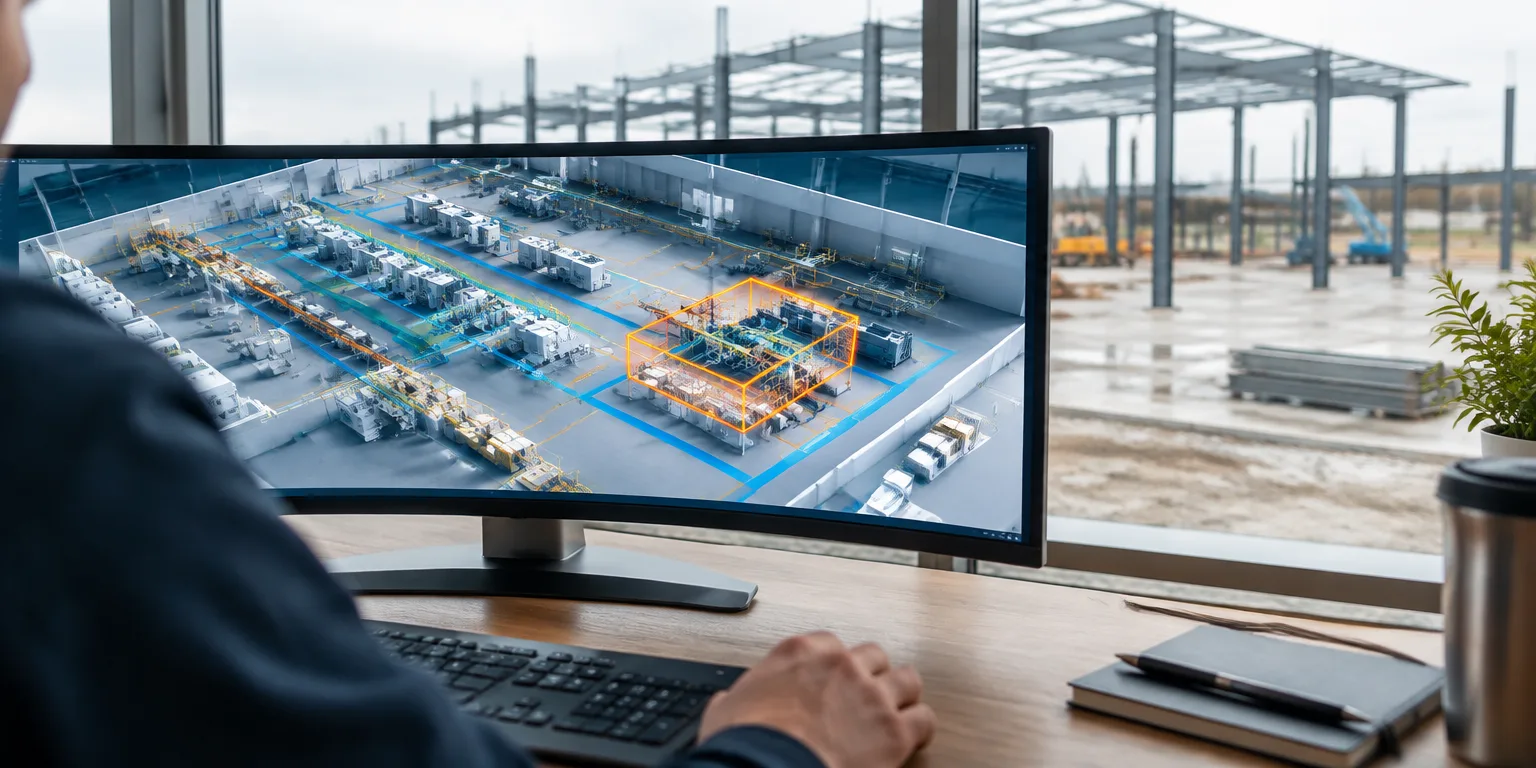
PepsiCo is testing and refining planned plant designs in software with online AI and live 3D replicas before anything is built, according to a report in Consumer Goods Technology.
A digital twin, in this context, is a three-dimensional software model of a planned factory. The report describes it as a real-time model, meaning it is meant to reflect and test activity as it would happen.
Planners use the model to simulate a layout and then optimize it. In plain terms, simulate means trying the arrangement in software, and optimize means revising it to work better.
The testing happens before physical construction. The report presents that sequence as a way to improve operational performance.
That factory work is part of a broader effort described in the report. PepsiCo is embedding digital technology and artificial intelligence across its operations, combining software, automation, and data.
The report links the digital twin approach to a 20 percent increase in throughput. Throughput means the amount of product moving through a factory in a given time.
The 20 percent figure is reported in the trade article. The excerpt does not provide additional detail on how the increase was measured.
Questions people ask
What does a 20 percent increase in throughput actually mean?
Throughput is the amount of product that moves through a factory in a set period. A reported 20 percent increase would mean the factory moves one-fifth more product in the same period than before.
How is a digital twin different from a blueprint?
A blueprint is a static drawing of what should be built. A digital twin, as described in the report, is a three-dimensional, real-time model used to simulate how a layout would work.
Why does it help to test the layout before construction?
A layout can still be revised easily while it exists only in software. Once walls and equipment are built, any change requires physical rework. Testing first allows revisions before building begins.