Your Call Logs Reveal More About You Than Your Conversations Do
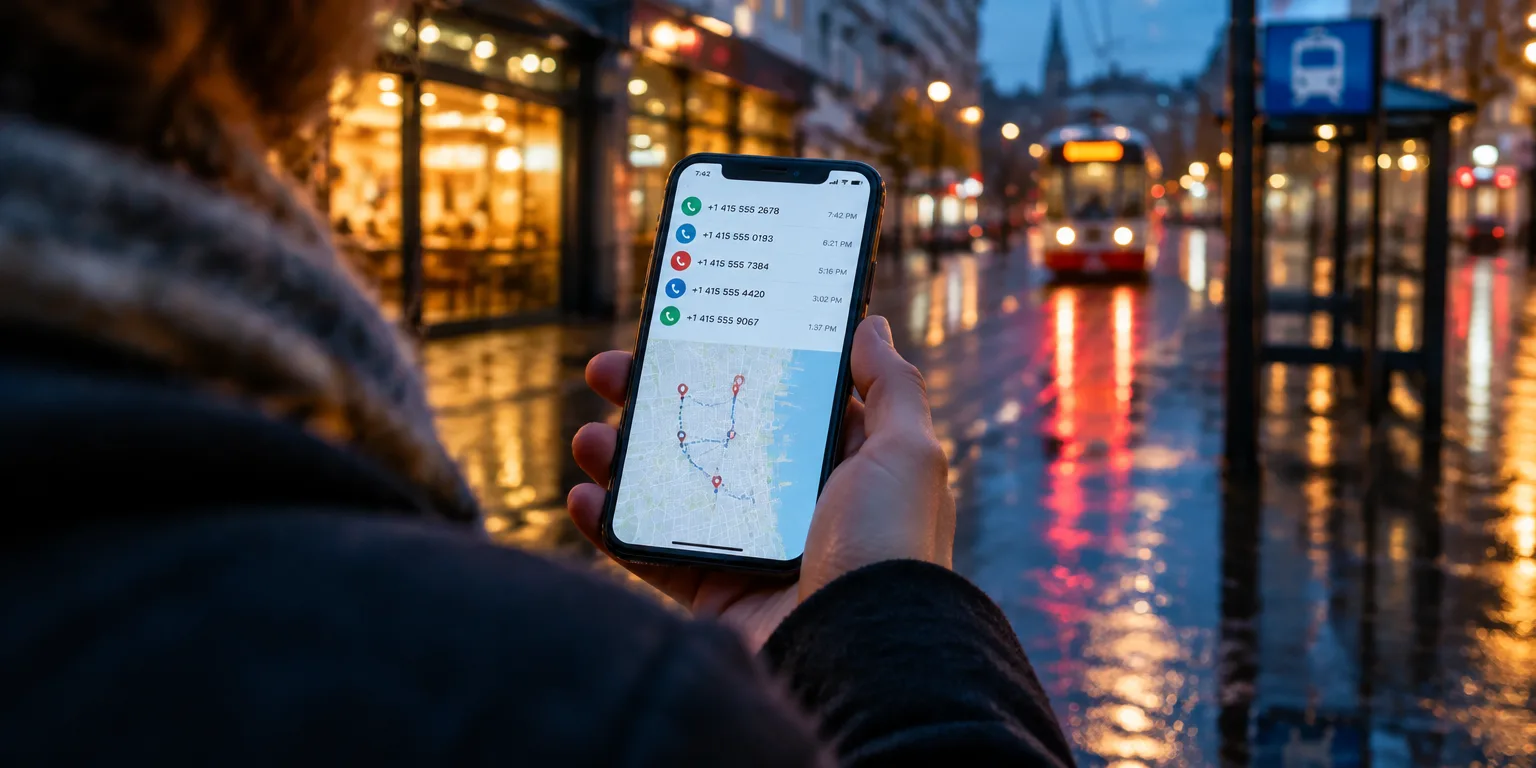
The numbers, times, and locations attached to messages form a diary that computers can easily search and sort.
 edri.org · Data retention is mass surveillance of people’s phone and internet activity - European Digital Rights (EDRi)
The most revealing part of your phone call may not be what you said. It may be the record that the call happened at all.
That record is called metadata. It is data created to carry a message, including which numbers contacted which, when a call or session took place and how long it lasted, which sites were visited, and where the phones were.
In the European Union, where a proposed EU-wide measure to standardize storage was under debate in 2026, data retention would require internet providers to hold that metadata longer than needed for billing, network management, or security. Providers would keep it solely so police and intelligence agencies could consult it later.
European Digital Rights, a digital-rights advocacy group that opposes broad retention, notes that after delivery the data has no further technical role in sending the message.
What is left behind is a detailed diary. Repeated location records can reveal permanent and temporary homes. They can also suggest political and religious life, such as attending a demonstration or a religious ceremony, or sensitive visits to a specialized clinic, an LGBT+ venue, or a lawyer's office.
Metadata also maps a social graph, the web of social and professional relationships around a person. Patterns in website visits and use of online services can reveal further detail about interests and state of mind.
The group argues that because metadata is highly structured, computers can sort, search, and compare it at scale. That makes it easier to analyze than the messy content of conversations, and easier to use to profile and categorize entire populations.
The Court of Justice of the European Union has described metadata retention as creating “a feeling of being under constant surveillance,” which the group says has a chilling effect on public life, arguing that it can lead people to limit their own conduct and use of civil liberties.
Questions people ask
Why would a list of calls be easier to use than a recording of the calls?
Often it does not. Content is usually unstructured speech or text that takes time to interpret. Metadata arrives as neat categories like numbers, times, and coordinates, so software can quickly find patterns, connect people, and flag behavior across millions of records.
How can location records show health or religion without hearing any conversation?
It works by inference from repetition. One location point means little, but many points over weeks show where someone sleeps, worships, seeks care, or spends free time. Repeated visits to a particular kind of clinic, house of worship, or gathering place can strongly suggest health, faith, or other private traits.
How is blanket data retention different from police getting records with a court order?
Retention laws generally require providers to store records on everyone in advance, before anyone is suspected. A traditional court order usually targets a named person or account after suspicion arises. The first creates a population wide archive, while the second starts from an individual case.