Dead Crew Came Back to Warn a New Jet, Eastern Workers Said
Flight attendants and pilots said the men warned of electrical faults and an engine fire, and managers quietly stripped the salvaged parts out.
 The Why Files · Aviation Mysteries: Horror at 30,000 Feet
During boarding for a departure from Newark, an attendant walked through first class doing a head count. She counted one extra passenger, a silent man dressed as an Eastern captain, sitting in his seat.
She asked for his ticket and got no answer. She called the flight supervisor, then the captain out of the cockpit, who walked in, looked down, and froze. The man in the seat was Captain Bob Loft.
Loft had died months earlier in the crash of Eastern Flight 401. Then he vanished from the seat in front of witnesses, in what crews came to describe as hauntings aboard another jet, plane 318, that carried working parts salvaged from the wreck.
Flight 401 had left New York for Miami on the night of December 29, 1972, with 176 people aboard. At the controls of the nearly new three engine jumbo jet was Loft, a veteran pilot with 32 years at Eastern. Beside him sat the co-pilot, with flight engineer Don Repo stationed just behind them.
As the jet neared Miami, a small light that confirms the nose landing gear is locked failed to turn green. The real problem was a burned out bulb costing about 30 cents, and while the crew fussed with it, Loft unintentionally jostled the jet's controls.
That nudge switched the autopilot from keeping level flight, and the airliner began easing downward over the dark Everglades. No one noticed until it was too low, and the plane struck the swamp at more than 200 miles per hour. Of the 176 aboard, 101 died.
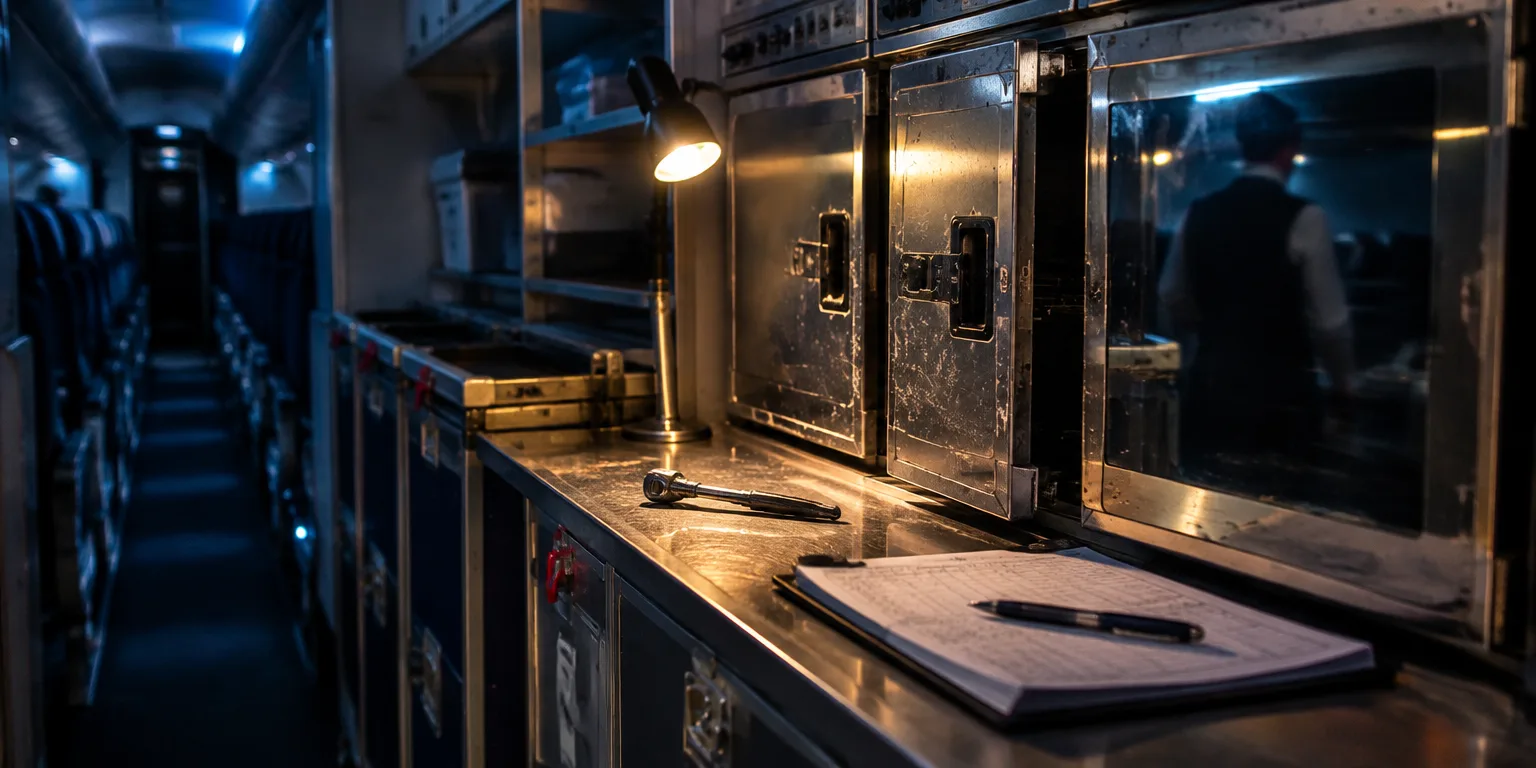
Since the wreck came down in swamp muck and sawgrass, much of the equipment survived intact. Eastern pulled the working galley ovens, the small lifts that moved meals up from below, plus a number of flight-deck instruments from the wreck and installed them in plane 318.
Within months, crews reported Loft in first class and Repo in the lower galley. One attendant rode the small elevator down before takeoff and found a flight engineer kneeling by ovens recovered from the wreck, holding a tool, saying he had just fixed an electrical problem. She later recognized him from crew photos as Repo.
Repo also began appearing in the cockpit with warnings, the accounts say. Once he warned of an electrical failure and vanished, and an inspection turned up a bad circuit likely to break down once airborne.
Another time, an attendant saw Repo's face looking back at her from the glass of an oven door. She brought back another attendant and the flight engineer, and all three reported hearing Repo say, "Watch out for fire on this airplane."
Minutes after takeoff, the number two engine quit, sputtered violently, and burst into flames. Warned in advance, the pilot doused the flames, switched that engine off, and brought the jet down without injury.
Eastern's chief executive, former Apollo astronaut Frank Borman, publicly called the ghost stories "garbage."
Crews said anyone caught talking about ghosts would face an evaluation by a company psychiatrist and be taken off flying duty, and reported repairs tied to the warnings were ripped from plane 318's maintenance logs.
Then, on management's orders, mechanics working late at night checked serial numbers across the fleet and quietly stripped out every part traced to Flight 401. After workers detached the final reused component from jet 318, crews said, they never saw Loft or Repo again.
Questions people ask
Was it normal for an airline to reuse parts from a crashed plane?
Yes. Airlines routinely inspect, repair, and recertify expensive components, from instruments to galley equipment, and return them to service if they meet safety standards. Reuse is legal and common, because many parts outlive the airframe they started in.
What happened to Eastern Airlines?
Eastern, once one of America's largest airlines, struggled with debt, labor disputes, and competition after deregulation. It ceased flying in January 1991 and its remaining assets were sold.